Southern Summer Hydrangea Care Guide

June 26, 2026

Summer Hydrangea Care Guide

Keep your hydrangeas thriving through the Louisiana heat - Hydrangea may look delicate, but with the right care they can stay lush and beautiful all summer—even in intense heat.

1. Water Deeply

Hydrangeas are thirsty plants, especially in summer.

  • Water deeply 2–4 times per week (more during heat waves)
  • Aim for 1–2 inches of water weekly
  • Water at the base, not over the leaves
  • Best time: early morning

Wilting in the afternoon?
That can be normal in extreme heat. If they’re still wilted by morning, they need water.

2. Morning Sun, Afternoon Shade

In Louisiana, too much harsh afternoon sun can scorch leaves and blooms.

Ideal placement:
✅ Morning sun
✅ Bright filtered light
✅ Afternoon shade

Watch for:

  • Brown crispy edges
  • Faded blooms
  • Drooping leaves

Those usually mean too much sun or not enough water.

3. Mulch Is Your Best Friend

Add 2–3 inches of mulch around the base.

Mulch helps:

  • Hold moisture
  • Keep roots cool
  • Reduce weeds

Keep mulch a few inches away from the stems.

4. Deadhead Spent Blooms

Snip off faded flowers to keep plants tidy and encourage energy toward healthy growth.

Cut just above a healthy set of leaves.

5. Fertilize Lightly

Too much fertilizer = big leaves, fewer blooms.

Use a slow-release flowering shrub fertilizer in early summer if needed.

Avoid heavy fertilizing in extreme heat.

6. Don’t Panic Over Leaf Spots

Humidity can cause fungal issues.

Common summer problems:

  • Leaf spots
  • Powdery mildew
  • Yellowing leaves

Help prevent this by:

  • Improving airflow
  • Avoiding overhead watering
  • Removing damaged leaves

7. Protect New Plantings

Recently planted hydrangeas need extra attention.

New plants may need:

  • More frequent watering
  • Temporary shade cloth
  • Extra mulch

They’re more vulnerable than established shrubs.

Quick Hydrangea SOS

Droopy? → Needs water or shade
Brown edges? → Too much sun
No blooms? → Wrong pruning or too much fertilizer
Yellow leaves? → Water stress or drainage issues
September 24, 2026
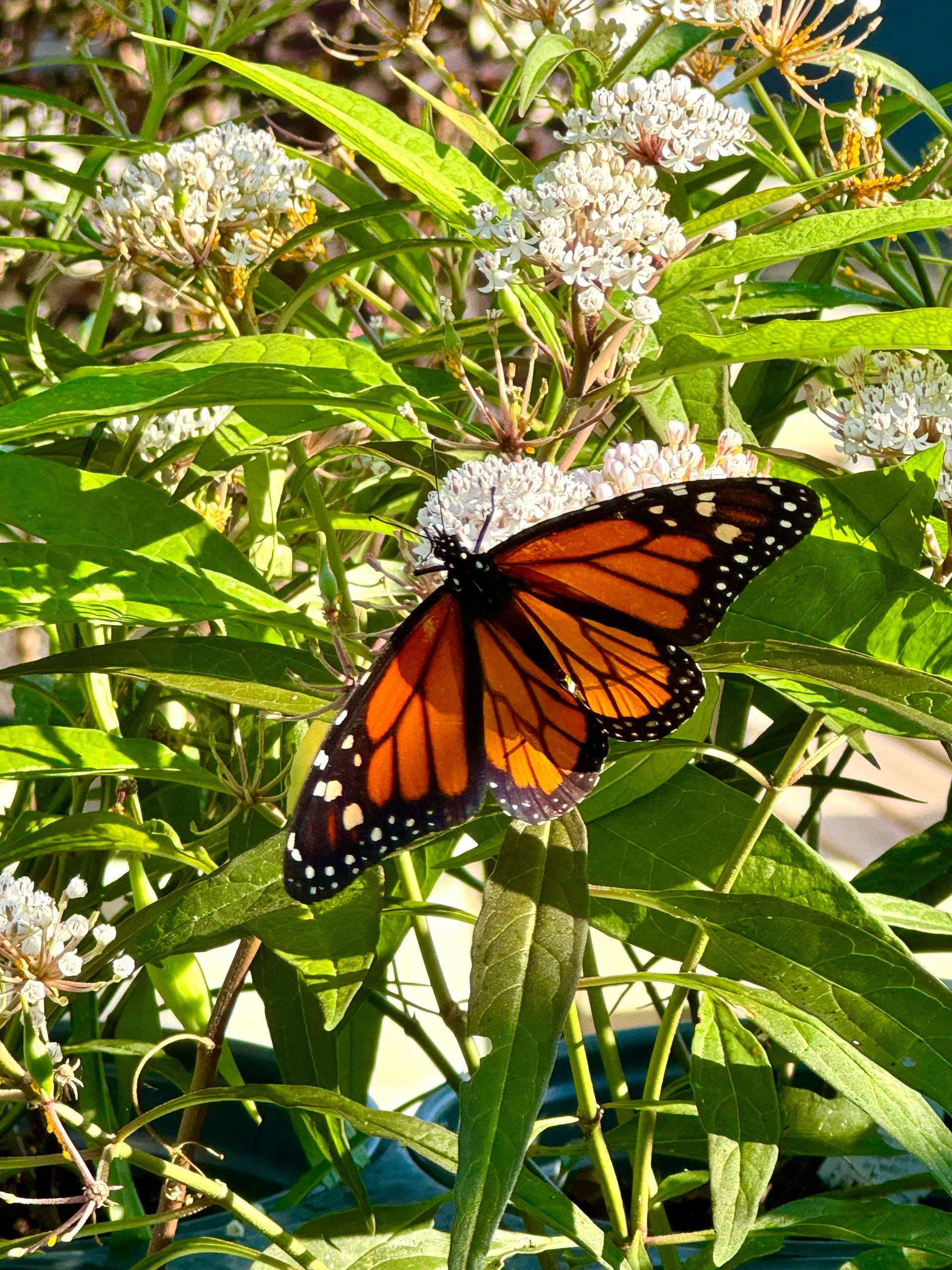
All Things Bugs: What to Watch for in Your October Garden October may bring cooler weather to Lafayette and South Louisiana , but that doesn’t mean garden bugs are gone for the season! In fact, fall can still bring plenty of insect activity to our landscapes, vegetable gardens, flowers, and shrubs. The important thing to remember is that not every bug is a bad bug . Some insects can damage your plants, while others are valuable pollinators or natural predators that help keep pest populations under control. Here are some of the bugs to watch for this October, how to manage unwanted pests, and which beneficial insects you should be happy to see in your garden. Pests to Watch for This October Aphids Aphids are tiny, soft-bodied insects that gather on new growth, flower buds, and the undersides of leaves. They feed by sucking sap from plants and can cause curling, distorted growth, yellowing, and sticky residue known as honeydew. What to do: For a light infestation, a strong spray of water may be enough to knock aphids from the plant. Insecticidal soaps and horticultural oils can also be options when used according to their labels. Before treating, check for lady beetles and other beneficial insects that may already be feeding on the aphids. Caterpillars Fall gardens can attract several types of caterpillars, including armyworms and other leaf-chewing species. You may notice holes in leaves, missing foliage, or dark droppings around damaged areas. What to do: Inspect plants regularly and hand-pick caterpillars when practical. For certain pest caterpillars, products containing Bt (Bacillus thuringiensis) can provide targeted control when applied while caterpillars are small. Always identify the caterpillar first—you don't want to accidentally eliminate a butterfly or moth species you want in the garden! Whiteflies If you touch a plant and a cloud of tiny white insects suddenly flies into the air, you may have whiteflies. They tend to congregate on the undersides of leaves and can weaken plants by feeding on their sap. What to do: Remove heavily infested leaves when appropriate and consider insecticidal soap or horticultural oil. Good air circulation and regular plant inspections can help you catch an infestation before it becomes severe. Spider Mites Spider mites aren't actually insects—they're relatives of spiders—but they're a common garden pest. Look for tiny speckles or discoloration on leaves and very fine webbing around foliage. What to do: Check the undersides of leaves carefully. Water-stressed plants can be more vulnerable to mite problems, so proper watering is important. Horticultural oils and insecticidal soaps may help when they're labeled for the plant and pest you're treating. Scale Insects Scale can appear as small bumps attached to stems, branches, or leaves. Because they often don't look like insects, they can be easy to overlook. What to do: Treatment depends on the type of scale and its life stage. Horticultural oils can be useful for certain scale insects, particularly when timed correctly. If you're unsure what you're seeing, bring us a clear photo or plant sample so we can help identify the problem before you treat it. Mealybugs Mealybugs are easy to recognize by their white, cottony appearance. They often hide around stems, leaf joints, and other protected areas of the plant. What to do: Small infestations can sometimes be physically removed. Insecticidal soaps or horticultural oils may also be appropriate. Check nearby plants because mealybugs can spread. Don't Forget About the Good Bugs! Seeing an insect in your garden doesn't automatically mean you need to reach for a pesticide. A healthy garden is full of life, and many insects are working in your favor. Lady beetles are garden helpers because both adults and larvae can feed on pests such as aphids. Lacewings are another beneficial predator. Their larvae feed on many small, soft-bodied garden pests. Bees are essential pollinators for many flowers, fruits, and vegetables. Protect them by avoiding unnecessary pesticide applications, particularly while plants are blooming. Butterflies are some of our favorite garden visitors and important pollinators. Remember that before becoming butterflies, they begin as caterpillars! Learn to identify caterpillars before deciding whether they need to be removed. Praying mantises are predators that feed on many types of insects. Keep in mind, however, that they aren't picky—they can eat both pest and beneficial insects. Treat the Problem, Not Every Bug One of the best things you can do for your garden is identify the pest before treating it . Not every chewed leaf requires treatment, and using a broad insecticide unnecessarily can also affect pollinators and beneficial insects that naturally help control pests. Start by inspecting the entire plant, especially the undersides of leaves and areas of new growth. Determine what insect is present, how much damage it's causing, and whether beneficial predators are already helping. When treatment is necessary, choose a product labeled for both the specific pest and the plant you're treating , and always follow the product label for application rates, timing, and safety precautions. Join Us for Our Not-So-Creepy Crawly Seminar! Want to learn even more about what’s crawling around your garden? Join us at All Seasons Nursery on Saturday, October 3 for our FREE Not-So-Creepy Crawly Seminar! We’ll be talking all things bugs, including how to prevent common garden pests, which beneficial bugs you actually want around, fall bug outbreaks, identifying insect damage, and more. Have a bug or plant problem you’ve been wondering about? This is a great opportunity to learn more and ask questions. Saturday, October 3 FREE admission Waters provided No registration required Come learn how to tell the difference between the bugs helping your garden and the ones having your plants for lunch! Visit All Seasons Nursery Whether you're dealing with an unwanted pest or wondering if the mysterious insect on your plant is actually a garden helper, the team at All Seasons Nursery in Lafayette, Louisiana can help you find the right solution. Remember: not every bug is a bad bug! 🐞🌿
September 24, 2026
October Gardening To-Do List for Lafayette, Louisiana October is one of the best months to get outside and garden in Lafayette, Louisiana ! As temperatures finally begin to cool, it’s the perfect time to refresh flower beds, plant cool-season color, prepare your lawn for the months ahead, and start planting trees and shrubs. Here’s your October gardening to-do list for South Louisiana . Refresh Your Beds with Fall Color October is a great time to replace tired summer annuals with fresh fall color. Look for cool-season favorites like snapdragons, dianthus, petunias, and other seasonal bedding plants as they become available. Don’t forget about mums, celosia, crotons, and ornamental peppers for an instant pop of fall color on porches, patios, and around entryways. Plant Trees & Shrubs Fall is an excellent planting season in Louisiana. Cooler temperatures reduce heat stress while giving newly planted trees and shrubs time to begin establishing their roots before next summer. If you’ve been thinking about adding shade trees, flowering trees, shrubs, or privacy plantings , October is a great time to get started. Plant Citrus & Fruit Trees October is also a great time to add fruit trees to your landscape. Satsumas, oranges, lemons, kumquats, figs, and other fruiting plants suited to South Louisiana can make beautiful and productive additions to the yard. Choose a sunny location with good drainage and consider the mature size of your tree before planting. Give Your Lawn Some Attention Your lawn may be growing more slowly, but October is still an important transition month. Keep mowing as needed, manage weeds before they become a bigger problem, and watch for signs of insects or disease. Avoid pushing excessive tender growth with heavy nitrogen fertilization as warm-season lawns begin preparing for cooler weather. Clean Up Your Garden Beds Remove spent annuals, weeds, fallen leaves, and other debris from your beds. A little cleanup now can make your landscape look refreshed while also removing places where certain pests and diseases may linger. Once your beds are cleaned up, add a fresh layer of mulch to help retain moisture, moderate soil temperatures, and give the landscape a finished look. Refresh Your Containers Give your porch a fall makeover! Remove struggling summer plants and create new containers using seasonal flowers and foliage. Try combining plants with different heights, colors, and textures. Add a few pumpkins or gourds around your containers for an easy fall display. Adjust Your Watering As temperatures cool and days become shorter, your garden may not need water as frequently as it did during the peak of summer. Check the soil before watering rather than automatically following your summer schedule. Newly planted trees, shrubs, and flowers will still need consistent moisture while they establish. Keep an Eye Out for Garden Pests Cooler weather doesn’t mean every garden pest disappears. Continue checking the tops and undersides of leaves for insects, damage, discoloration, and other signs of trouble. Catching an issue early can make it much easier to manage. Enjoy Fall in the Garden! October is the perfect month to enjoy your outdoor space in Acadiana. Plant something new, refresh your flower beds, decorate the porch with pumpkins, or simply enjoy the cooler weather while walking through the garden. Stop by All Seasons Nursery in Lafayette, Louisiana for fall color, pumpkins, trees, shrubs, gardening supplies, and plenty of seasonal inspiration. Happy October gardening from All Seasons Nursery! 🍂🌱
September 24, 2026
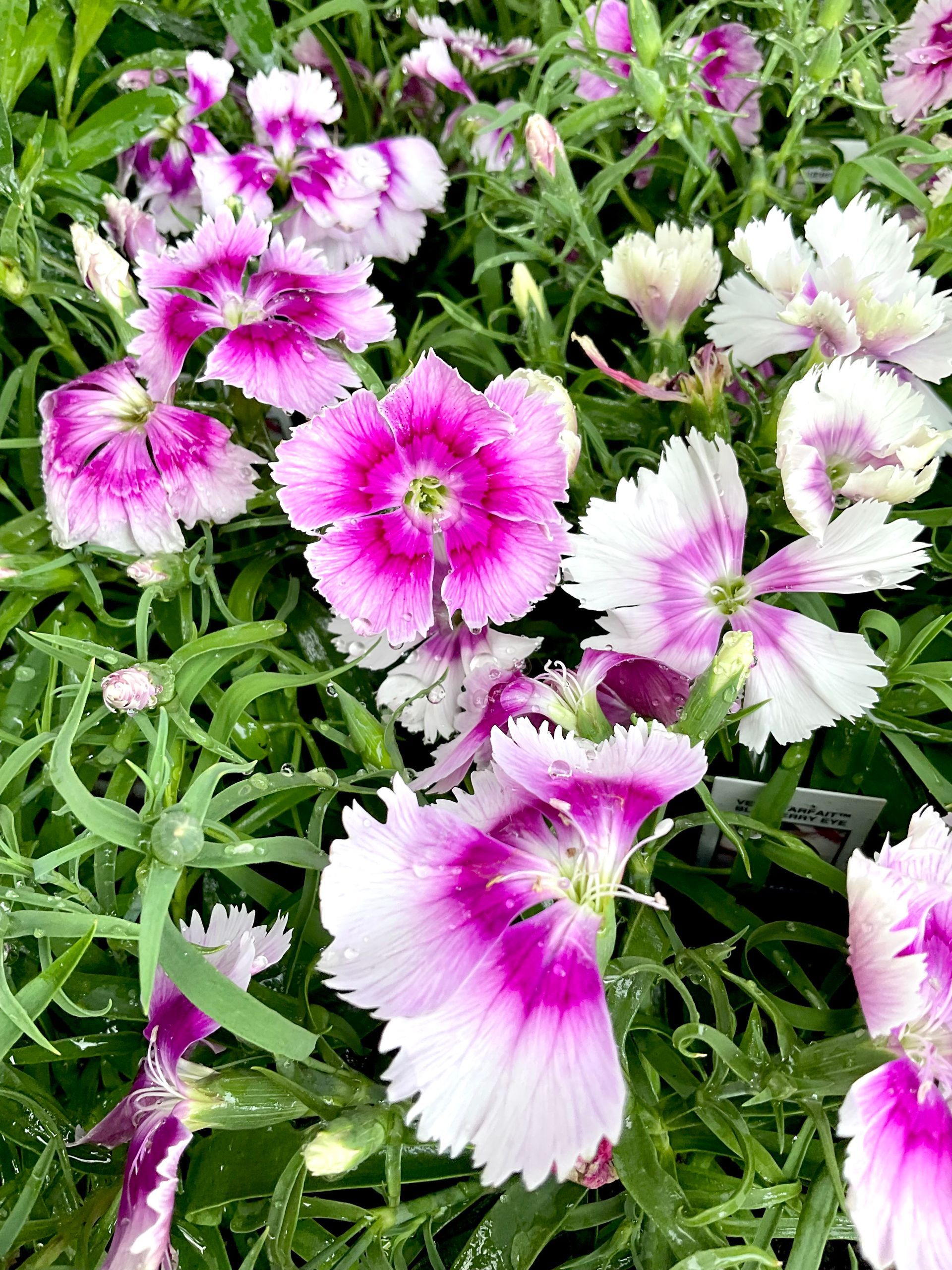
Fall Has Arrived at All Seasons Nursery: Fresh Color, Pumpkins & More! Fall is officially showing up at All Seasons Nursery in Lafayette, Louisiana , and the garden center is filling up with fresh seasonal color! Whether you’re refreshing your flower beds, decorating your porch, or simply looking for an excuse to take a stroll through the nursery, now is a great time to stop by and see what’s new. From colorful blooms to pumpkins and fall favorites, we have plenty of new arrivals ready to bring the season to your home and garden. Fresh Fall Color Is Here Our newest arrivals include snapdragons, dianthus, mums, ornamental peppers, celosia, and so much more! These cool-season favorites are an easy way to add beautiful color and texture to flower beds, containers, porches, and entryways. Snapdragons bring tall spikes of colorful blooms to the garden and look beautiful planted in groups or mixed into containers. Dianthus offers cheerful pops of color and works wonderfully along borders, in flower beds, or in pots. Mums are a fall classic for a reason! With their full blooms and seasonal colors, they’re perfect for instantly giving your porch or landscape that unmistakable fall look. For something a little different, ornamental peppers add bold color and unique texture to fall arrangements, while celosia stands out with its vibrant, eye-catching blooms. And that’s only the beginning! Our inventory is always changing as new shipments arrive, so there’s something new to discover throughout the season. Pick the Perfect Pumpkin It wouldn’t be fall without pumpkins! Our pumpkin selection has arrived, with plenty of options for decorating, carving, painting, stacking, and creating the perfect fall porch display. Pair your pumpkins with colorful mums and other fall plants for an easy seasonal arrangement that makes a big impact. Whether you love a traditional fall look or want to mix different colors, shapes, and textures, you can find plenty of inspiration throughout the nursery. Fall Is a Great Time to Get Back in the Garden As the Louisiana summer heat begins to ease, fall gives gardeners another opportunity to refresh their landscapes and outdoor spaces. Adding seasonal color is one of the easiest ways to transform tired summer beds and containers. Not sure what will work best in your space? Our team can help you choose plants based on your sunlight, location, containers, and overall look you’re trying to achieve. Visit All Seasons Nursery in Lafayette, LA Come take a stroll through All Seasons Nursery and see fall in full color! Shop our newest arrivals, pick out your pumpkins, find inspiration for your landscape, and discover what else has arrived throughout our 5-acre garden center. Fall is here — and there’s always something growing at All Seasons Nursery!
September 18, 2026
Fall Is for Planting: Your Guide to a Beautiful Fall Garden Fall is one of the best times to get back into the garden in Lafayette, Louisiana . As the intense summer heat begins to ease, South Louisiana gardeners can refresh their landscapes with fall flowers, plant trees and shrubs, start cool-season vegetable gardens, add citrus trees, and prepare lawns and garden beds for cooler weather. At All Seasons Nursery in Lafayette, LA , fall brings fresh seasonal color, herbs and vegetables, trees, shrubs, citrus, pumpkins, and everything you need to give your landscape a seasonal refresh. Whether you're updating a few containers on the patio or planning a larger landscaping project, fall is a great time to get outside and start planting. Add a Fresh Pop of Fall Color One of the easiest ways to transform your yard for fall is with seasonal color. Mums, snapdragons, celosia, crotons, ornamental peppers, petunias, and other fall favorites can instantly brighten flower beds, porches, patios, and containers. Mix different colors, heights, and textures to create a fuller, more interesting display. Don't forget decorative planters and pumpkins for an extra touch of fall! Fall Is a Great Time to Plant Trees & Shrubs You don't have to wait until spring to tackle bigger landscaping projects. Fall can be an excellent time to plant many trees and shrubs in South Louisiana . As temperatures become milder, newly planted trees and shrubs can focus on establishing their root systems without dealing with the intense heat of summer. Giving plants time to establish before next summer can help set them up for success. Don't Forget About Citrus Fall and citrus just belong together! Whether you're interested in satsumas, oranges, lemons, limes, kumquats, or another favorite, adding a fruit tree can be a fun and productive addition to your Louisiana landscape. Before choosing one, consider the amount of sunlight and space available in your yard. Our team can help you select a variety that works for your landscape. Start Your Fall Vegetable & Herb Garden Fall is also a great time to get back into the vegetable garden. As the weather begins cooling down, many herbs and cool-season vegetables can be planted for fresh flavor right at home. Don't have a large garden? Herbs and vegetables can also be grown in raised beds and containers, making them a great option for patios and smaller spaces. Refresh Your Containers Your summer containers have worked hard! Fall is the perfect excuse to give them a refresh. Replace tired summer plants with seasonal flowers and foliage, or create a completely new combination. Try mixing a taller focal plant with colorful flowers and trailing plants for a container that looks full and professionally designed. Give Your Lawn and Landscape Some Attention As your garden transitions into fall, take some time to check the rest of your landscape. Adjust watering as temperatures change, stay on top of weeds, remove declining plants, clean up fallen leaves, and watch for signs of insects or disease. A little maintenance now can help keep your landscape healthier throughout the cooler months. Make Your Garden Feel Like Fall Fall gardening isn't just about maintenance—it's about enjoying your outdoor space! Add pumpkins to your porch, create a colorful container garden, plant a new flower bed, or finally add that tree or shrub you've been thinking about. Even a few small changes can completely transform your home's fall curb appeal. Fall Into All Seasons Whether you're looking for fall plants in Lafayette, Louisiana, seasonal flowers, herbs and vegetables, trees, shrubs, citrus, pumpkins, pottery, or local gardening advice , stop by All Seasons Nursery and let our team help you make the most of the fall planting season. From beginner gardeners to experienced plant lovers, we're here to help Acadiana grow.
September 11, 2026
Fall Is for Landscaping: Why Autumn Is the Perfect Time to Transform Your Yard Fall is one of our favorite seasons in Louisiana—not just because of the cooler weather, but because it’s also one of the best times of year to landscape . As summer heat begins to ease, your yard gets the perfect opportunity for a refresh. Whether you’re dreaming of new flower beds, updated shrubs, fresh trees, or a completely redesigned outdoor space, fall is the time to get started. At All Seasons Nursery & Landscaping , we believe a beautiful landscape should be designed to thrive through every season. Here’s why fall deserves a spot at the top of your landscaping calendar. Why Fall Is Ideal for Landscaping in Louisiana While spring often gets all the attention, fall offers some major advantages. Cooler temperatures mean less stress on newly installed plants, while our soil remains warm enough to encourage healthy root development. Planting trees and shrubs in the fall gives their roots time to establish before the demands of next summer's Louisiana heat. Instead of putting all their energy into new growth, plants can focus on developing a strong root system underground. That means healthier plants, stronger growth, and a landscape that's better prepared for the seasons ahead. Bring Fall Color Into Your Landscape A change in season doesn't mean your landscape has to lose its color. Fall is a great opportunity to refresh flower beds with seasonal color and interesting textures. Snapdragons, dianthus, ornamental grasses, and other cool-season favorites can add beautiful pops of color throughout your landscape. Pairing flowers with evergreen shrubs, trees, and structural plants creates a finished look that can transition beautifully from fall into winter. Our landscaping team can help select plants that work with your property's sun exposure, soil conditions, drainage, existing landscape, and overall style . Fall Is a Great Time to Plant Trees & Shrubs If you've been thinking about adding shade trees, privacy screening, flowering shrubs, or foundation plantings, don't wait until spring. Installing trees and shrubs during the cooler months allows them to establish with less heat stress. With proper planting and care, they'll have a head start before temperatures climb again. A professionally planned landscape also considers how those plants will look years from now —not just the day they're installed. Proper spacing, mature size, sunlight requirements, and placement all make a difference. Refresh the Landscaping You Already Have You don't necessarily need to start from scratch to make a major difference. Fall is an excellent time to clean up overgrown beds, replace struggling plants, redefine bed lines, add fresh seasonal color, improve curb appeal, and give an older landscape a more polished appearance. Sometimes a few thoughtful changes are all it takes to completely transform the front of a home or outdoor living area. Let All Seasons Transform Your Outdoor Space Your landscape is one of the first things people notice about your home or business. Whether you're looking for a simple seasonal refresh or a complete landscape transformation, All Seasons Nursery & Landscaping is here to help bring your vision to life. Our team combines professional landscape design with plant knowledge suited for Lafayette and South Louisiana's unique growing conditions . From selecting the right plants to creating a cohesive finished design, we're here to help you build an outdoor space you'll enjoy through every season. Fall is for planting—and fall is for landscaping. Ready to fall in love with your landscape? Contact All Seasons Nursery & Landscaping at (337) 264-1418 to get started on your fall landscaping project.
Crotons
September 7, 2026
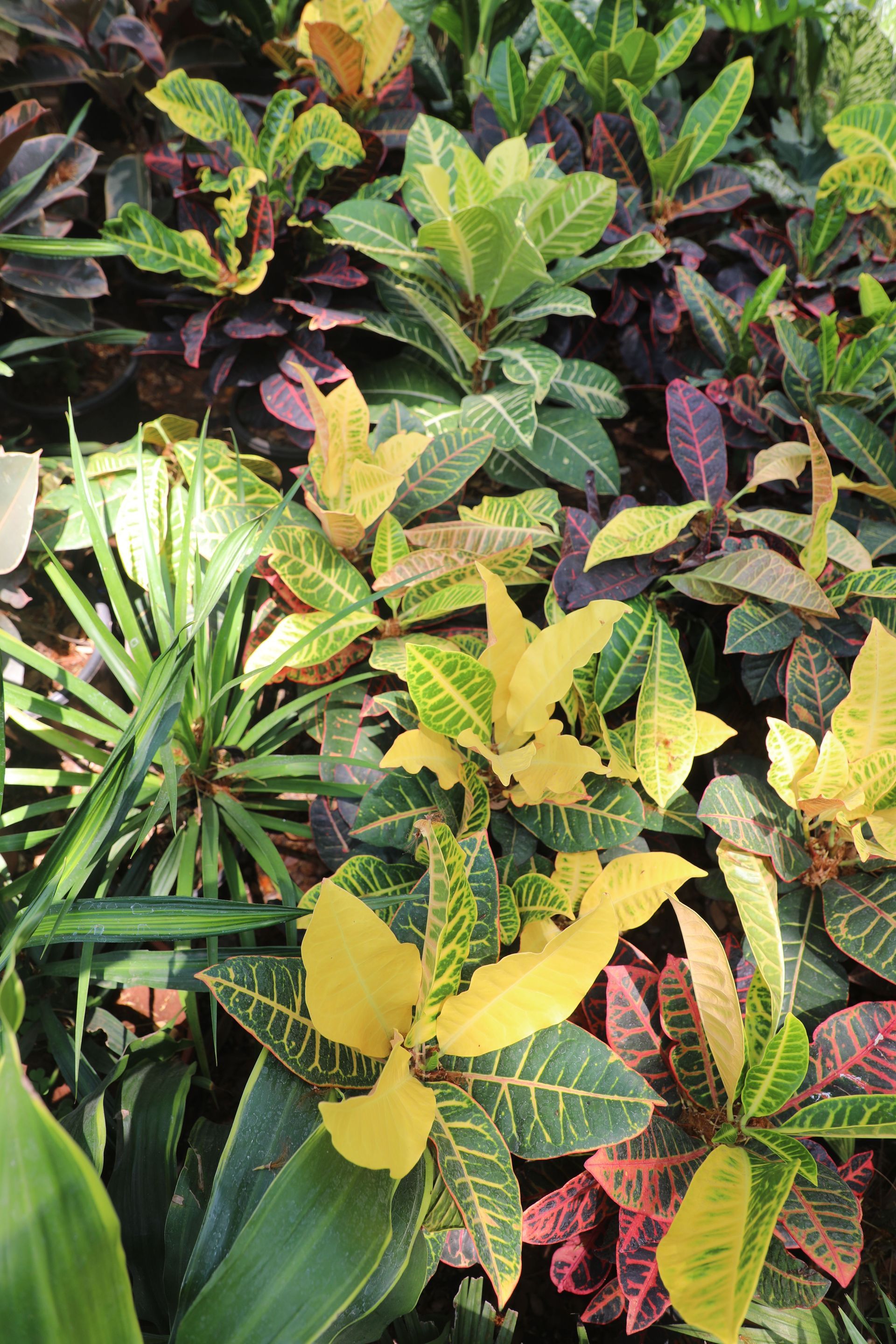
Fall is here, and we are so excited to see fall favorite plants back in the garden center, especially several varieties of the Croton! Crotons create an instant "It's Fall" look in your home, garden, landscape, and even porch displays! The tropical croton (Codaeum variegatum) is the cure Louisiana landscapes needing a jolt of fall color. Though they come in many, many varieties, the classic croton that shows the most color is the popular Petra Croton. All varieties will show many shades of orange, yellow, and reds, including burgundy and almost purple in some types. There are a few tips with understanding how to properly and effectively use crotons in the landscape, or as potted plants for fall décor. First of all, crotons are fairly tropical plants, and have a cold hardiness somewhat similar to tropical hibiscus. Gardeners had become confident of their year-round durability after a period of mild winters in the 90’s and early 2000’s, but most of the past several years have been much too cold for a croton to endure without protection. Those who want to plant crotons outdoors and keep them from year to year should plant in a sheltered, south-facing location, and be prepared to bury them under pine straw and/or cover with frost blankets. Secondly, crotons are not especially fond of wet feet, and moisture will be much more of a problem in heavy, clay soils. Any crotons planted in the ground should be put in raised beds, or at least beds that have been heavily amended with a planting mix. Potting soil is also an acceptable amendment for annual plantings, as it is typically full of perlite, and makes an ideal substrate for not only crotons, but other annuals requiring excellent drainage, such as dianthus, pansies, or cyclamen (which will be coming a little later as temps cool). Crotons should only be watered when they are pretty much dry. It is acceptable to look for early signs of wilt before watering your croton for the first time, as the frequency of watering can vary widely based on environmental factors such as wind, sun, soil type and container size, etc. Another consideration for crotons is the right light. Crotons will show the best color with plenty of sun, but very exposed locations, especially long afternoon exposures, can almost be too much, and will cause leaves to be somewhat washed-out, and leads to more likely scorching from the combination of drought and sun exposure. Keep in mind that crotons like to be dry, but if you wait too long to water and it is in hot afternoon sun, the result will be brownish scalding on the upper leaf surfaces. Deep shade certainly keeps these beauties from burning, but the variegated colorings of the leaves will darken and the plants will be much less vibrant. I think that filtered light, or partial sun exposure, is ideal for these plants. Crotons make excellent container plants, and can even be brought in for winter and grown as houseplants! Container plantings are usually much more insulated from the diseases and headache associated with overwatering and heavy rains, especially if a light mix for indoor and tropical plants is used. Crotons are okay with less than full sun, and will certainly be happy for a few months indoors, especially if given a bright window to grow in our set outside on warm winter days. Crotons are basically grown for their foliage, and should be given balanced fertilizer, or fertilizers containing more nitrogen, such as Osmocote. Fertilizing should be done in early fall, especially if plants are expected to stay outdoors over the winter. Any fertilizing after early October should be achieved with a slow-release organic source, such as Blood Meal. These plants are fairly slow growing, so pruning should be minimal, but never prune any outdoor plants late in the fall. Cutting will stimulate new growth, and new growth will be much more sensitive to drops in temperature than mature stems. If you’re trying to keep a croton’s growth to a certain height, trim at a point somewhat lower on the stem. The plant will typically sprout new growth from where it is cut, so plan accordingly, and trim down below this, so that new growth will not undo the intended size reduction.  We have many more than the common varieties. Come over to check out some of these unusual and striking varieties.
September 4, 2026
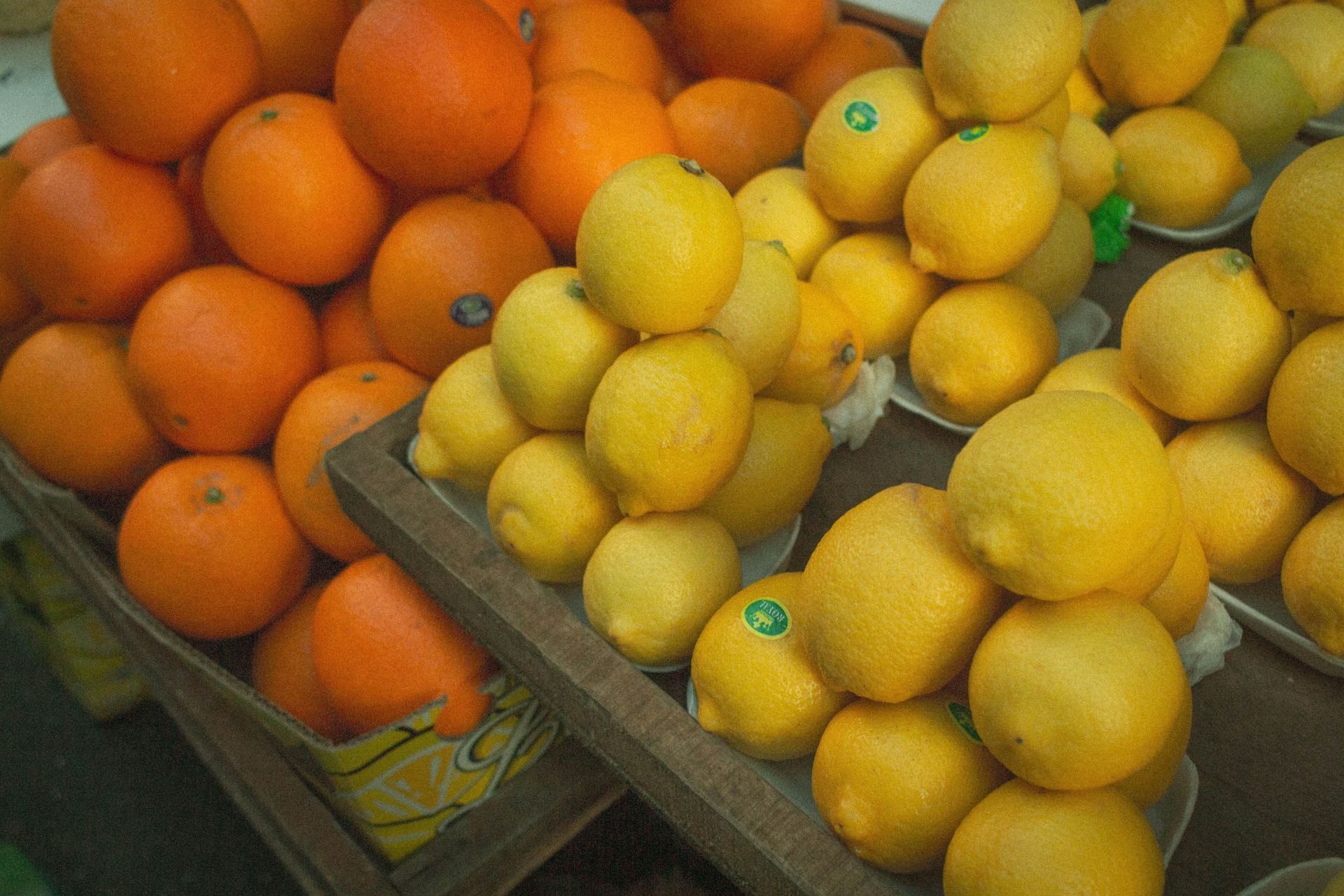
 Fall Is the Best Time to Plant Citrus Trees in Lafayette, Louisiana If you’ve been thinking about growing your own satsumas, lemons, oranges, kumquats, or other citrus, fall is one of the best times to plant citrus trees in South Louisiana . At All Seasons Nursery in Lafayette, Louisiana , fall is one of our favorite planting seasons. Cooler temperatures make working in the garden more enjoyable, and they also give newly planted trees an opportunity to establish their roots before the intense heat of another Louisiana summer. Whether you're planting your first fruit tree or building your own backyard orchard, now is a great time to get growing! Why Plant Citrus Trees in the Fall in Louisiana? If you're wondering when to plant citrus trees in Louisiana , fall is an excellent time to do it. Our hot, humid Lafayette summers can put additional stress on newly planted trees. By planting citrus during the cooler fall months, you give the tree time to begin developing a healthy root system without immediately facing extreme summer temperatures. The soil can remain warm even as our air temperatures begin to cool, creating favorable conditions for root establishment. Plant this fall, care for your tree throughout winter and spring, and it can be better established by the time summer returns. Best Citrus Trees for South Louisiana One reason we love growing citrus in Louisiana is the variety! When choosing a tree, consider the amount of space and sunlight you have as well as the type of fruit you want to harvest. Some popular citrus choices for Lafayette and South Louisiana gardens include: Satsuma Trees – A Louisiana favorite known for sweet, easy-to-peel fruit. Lemon Trees – A versatile backyard addition for fresh lemons for cooking, baking, drinks, and more. Orange Trees – A classic choice with several varieties available for home gardens. Kumquat Trees – Beautiful landscape trees that produce small, flavorful fruit. Lime Trees – Great for fresh fruit, although some varieties may require additional protection during cold weather. Calamondin Trees – Attractive citrus trees producing small, tart fruit and a great option to explore for patios and containers. Availability and varieties can change throughout the season, so visit All Seasons Nursery in Lafayette to see what's currently in stock. Where Should You Plant a Citrus Tree? Location matters! Citrus trees perform best with plenty of direct sunlight. Choose an area of your yard that receives good sun throughout the day and has well-draining soil . Drainage is especially important in South Louisiana. Avoid planting citrus in low areas where water regularly collects after heavy rain. Citrus roots don't like remaining in waterlogged soil. Not sure where to plant your tree? Take a few photos of your yard and bring them with you when you visit us. Our team can help point you in the right direction. How to Plant a Citrus Tree in Louisiana Once you've found the perfect location, it's time to plant. Dig your planting hole wide enough to comfortably accommodate the root ball, but be careful not to plant your citrus tree too deeply. The top of the root ball should remain at or slightly above the surrounding soil level. Backfill around the tree, water it thoroughly, and add mulch around the planting area to help retain moisture and reduce weeds. Just remember: don't pile mulch against the trunk. Leave some breathing room around the base of your tree. Watering Newly Planted Citrus Trees Even though temperatures are cooler in the fall, newly planted citrus trees still need consistent water while becoming established. Check the soil regularly and water deeply when needed. Your watering schedule will depend on rainfall, temperatures, soil conditions, and where your tree is planted. The goal is consistent moisture without leaving the roots sitting in saturated soil. Protecting Citrus Trees During a Louisiana Freeze South Louisiana winters may be mild, but freezes can happen. Young citrus trees and more cold-sensitive citrus varieties may require protection when freezing temperatures are forecast. Keep an eye on the weather throughout winter and prepare your trees before temperatures drop. Different citrus varieties can have different levels of cold tolerance, so ask our team about the specific variety you're purchasing and how to care for it during winter. Start Your Own Backyard Orchard Why stop at one fruit tree? Fall is a great time to start planning a backyard orchard in Louisiana . Citrus can be combined with other fruit trees suited to our area to create a landscape that's both beautiful and productive. With the right location, proper care, and a little patience, your backyard could eventually provide fresh fruit for your family season after season. Shop Citrus Trees in Lafayette, Louisiana Ready to start growing? Visit All Seasons Nursery in Lafayette, LA to shop our current selection of citrus trees, fruit trees, and gardening supplies . From satsumas and lemons to oranges, kumquats, and more, our team can help you choose a tree that works for your South Louisiana landscape. Fall is for planting—so now is the time to get your citrus in the ground! Stop by All Seasons Nursery to explore our current selection, and visit our website to stay up to date on new arrivals, plant sales, gardening tips, classes, events, and seasonal updates.
September Gardening List
August 24, 2026
-Re-fresh gardens with seasonal color and perennials for a fall show. -Do not plant pansies until the night time temperatures are 65 degrees or lower. -Plant a cool-season vegetable garden. -Start a salad garden in the ground or containers. -Plant bulbs for spring surprises! Planting is easy: dig, drop, done. We now have a fresh shipment of bulbs coming to the nursery in early September! -Divide and transplant Louisiana irises and perennials. By splitting plants now and transplanting, you can move perennials and give them a strong foothold before the cold weather arrives. Make sure to water heavily the night before and keep new transplants moist until rooted in. -The ruby throated hummingbirds can now be seen during their fall migration. Plant a treat for them! We have several choices. Many of their favorites are perennial fall-blooming plants. -Hybrid tea roses may be pruned now to 18 or 30'' tall to encourage a fall flush of blooms. -Continue to water all plants. -Install fresh sod. Water daily for the first week, and every other day for 3 more weeks. Water twice weekly until temperatures start to drop. -Plant Mums when budding – before flowers are open - to enjoy the burst of full color all season. Mums will be here mid-month. -Fertilize plants. Cooler nights and warmer ground temperatures brings abundant root growth. We recommend our Espoma product line of organic fertilizers. These are non-burning, slow release foods that will help plants build up sugars to carry them through the upcoming winter months. -Continue to harvest your garden vegetables. Freeze beans, corn and peppers. Trim and hang herbs to dry for winter use. -Start a compost or keep perfecting it now in time to help enrich the soil for fall plantings. -Mulch all plants in ground or containers to retain moisture and smother weed growth. -Begin planting trees and shrubs. September is a great time to plant and update your existing landscaping. Plants put in ground during the fall get a strong start for spring next year!
Root stimulator
August 24, 2026
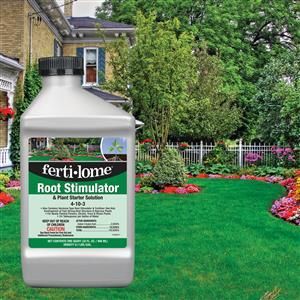
Many people are asking whether the fall is an okay time of the year to plant, with winter being a stone’s throw away. The answer is that it’s the best time of the year to plant! You may think spring is the best time of the year for planting, but it is NOW! By planting in the fall, it takes advantage of the amazing opportunity to get plants established. The first priority after planting is root growth. This occurs best during the fall and winters in Louisiana when shoots and flowers grow slowly. FOCUSED ENERGY Think of the springtime-leaves and limbs growing, flowers erupting, new plants getting established in their new home. It’s a busy time for plants. They have a lot of work to do and they have to do it all at once! It’s like your boss giving you 10 jobs to accomplish all at once. A plant’s energy is pulled into many directions simultaneously. Fall is a different matter. A new tree has only one job to do in the fall-grow new roots. This is exactly what you want a new plant to do for it’s long-term health. A tree will grow roots until the ground freezes in the winter, establishing a strong foundation for it’s future. ENVIRONMENTAL CONDITIONS What season follows spring? Summer. Hot, dry summer. A spring-planted tree will require careful maintenance to insure its immediate health. It is a stressful time for plants, particularly newly-planted ones. Fall planting is less stressful for trees and shrubs. The growth processes are slowing down as the tree goes dormant. This allows the tree to conserve its energy into root production as talked about already. The cooler temperatures and fewer leaves mean that the tree isn’t using as much water which translates into less maintenance for you. Can you successfully plant trees in other seasons? Of course! But the focused energy and the environmental conditions of fall allow for less transplanting shock on newly-planted trees. A tree that is not stressed is a happy, healthy tree. Which translates into less work for you. More time for you to enjoy a cup of coffee on the porch on these crisp mornings. We suggest buying and applying root stimulator when you plant your trees and shrubs. Is this snake oil, or some kind of voodoo? The fine print on the label says it contains something called indole-3-butyric acid. What exactly is this? Well, butyric acid is a synthetic plant hormone that very closely imitates the function of the natural hormone, auxin, in plant development. Auxin is the hormone that tells the tip of a stem or root to grow, and there is an auxin receptor at every node and tip of every stem and root. For example; when our roses become leggy and we cut them back to make them “full” again, we are removing the auxin receptor at the end of that branch, forcing all the side buds along the stem to receive more of the hormone. This is what creates new side branching, which are the next stems to grow and produce new flowers. Just as we deadhead or cut back bushes and shrubs to make them prettier, we tell people to trim or tease the root system of a plant that has just been taken out of a container before planting. This breaks off the tips of those roots that have begun to encircle the base of the pot it was grown in and will allow new side shoots to form at the edges of the root system so the newly forming roots can grow outward and downward, instead of continuing in a spiral. When plants are first in the ground they don’t have the ability to reach any of the water in the soil that is not directly against the existing roots. Many people make the mistake of seeing that some part of their flowerbed is moist and think their plant is okay, but the new plant already drank all of the water right next to its roots and there will be a little halo of dry soil surrounding that new plant. This is where Root Stimulator comes in. Plants really like grow when there are warm days and cool nights and soil temperatures are 55-65 degrees. We can force the plant’s roots to think it’s time to grow, however, by applying the butyric acid. Our root stimulator also contains a wetting agent, which actually helps moisture reach root surfaces, helping those baby roots access every last bit of water available. This will encourage rapid development of new feeder roots and help with easy water absorption while the plant is trying to become established. The fertilizer in root stimulator contains relatively high phosphorus which encourages branching development (think of roots as underground branches), and lower amounts of nitrogen which encourages leaf growth. The larger the root system gets with time, the more water the plant can absorb, even if we are not getting much rain. This is why fully established plants should only ever be irrigated if we are in a serious drought. The surface of our soil may dry very quickly, but the roots of healthy plants are reaching far into the ground to access groundwater not available at the surface. Root stimulator is very easy to use – all you need is a watering can. Simply mix 3-1/2 tablespoons (1.75 oz) of root stimulator into a gallon of water, and water your transplants with it once every two weeks until they get established. Small bedding plants can get about a pint (16 oz) of water, whereas larger plants 2-3 feet tall can get about a half gallon. Larger shrubs and trees will like a full gallon of root stimulator solution once every two weeks. It is important to note that Root Stimulator is not rated for edible plants. By the following spring, your plant should have a well-established root system, and will be ready for conventional fertilizer like tree and shrub food or all-purpose fertilizer.
Fall Shrubs
August 24, 2026
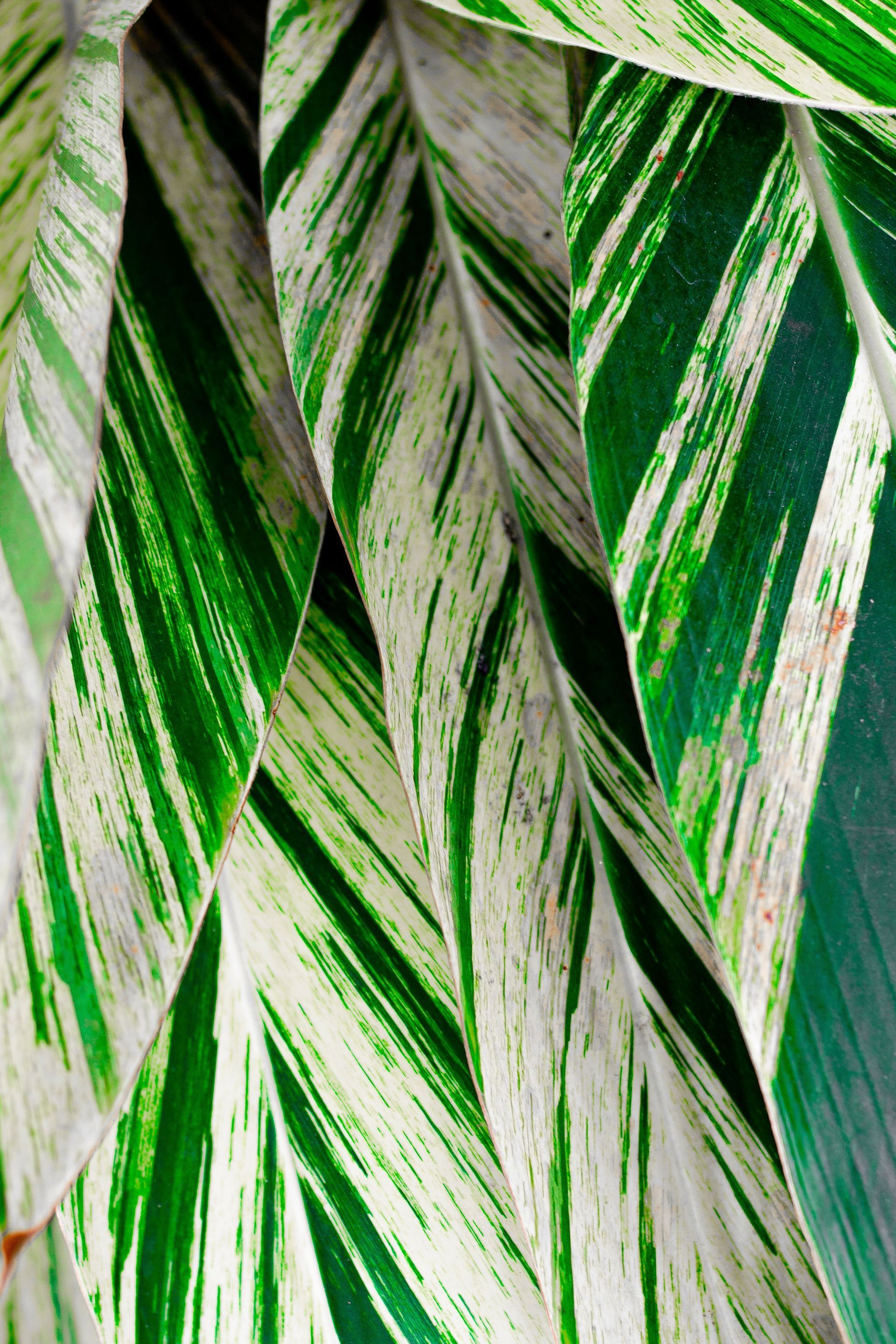
Want to have the fall feel when looking at your landscape? These currently in stock and in bloom shrubs…yes, during our heat wave…bring those yellows, oranges, and other pops of color we all love to welcome the new fall season! Candy Corn Spirea- Its name goes with its look, which all fits perfectly for the fall season! It has the hue of yellow and orange and shines in the sunlight. Planted in the full-sun, it’s a vibrant and low-maintenance shrub known for its striking color changes through the seasons. Butterfly Vine Mascagnia- This full-sun loving evergreen vine bears dark green leaves, and the plant produces clusters of showy yellow, 1 in. wide, orchid-shaped flowers. A second flowering will often occur in the autumn. This heat loving vine can grow on a trellis without support or can be grown as a mounding shrub or ground. This is a great shrub to consider for mailbox color or any arbor/trellis! Little Lime Hydrangea- This compact shrub is a smaller form of 'Limelight' that features large conical flower heads that start chartreuse and change to pink in the cooler, late-season weather, lasting into fall! The flowers are excellent for cutting, and has green deciduous foliage. It is an excellent choice for a partial sun/shade area. Olive Martini Elaeagnus/Silverberry- This is an excellent option for a full-sun area’s privacy hedge or screen, reaching a mature height and width of 10 feet. It is a large and dense evergreen with quite the fall foliage! It boasts bright, yellow-gold foliage splashed with dark green and subtle, creamy white flower clusters in fall that have a wonderful fragrance. Variegated Shell Ginger- Beautiful large variegated leaves and arching stems create a dramatic tropical effect, bringing fall color to a shaded landscape area. Sunshine Ligustrum- This is an outstanding variety producing dense foliage that matures to gold, which looks show-stopping in all the seasons, but really highlights the fall’s famous gold tones! It’s grown for foliage, and its color is best in the full sun. It’s a low-maintenance and wonderful color addition for borders, screens and mass plantings! Canyon Creek Abelia- This compact shrub has glossy dark green leaves that are tinged bronze, with a dazzling bronze-rose fall color! It also has a tidy, mounded habit, only reaching 3’ x 4’, and tubular pinkish-white flowers, which makes this shrub a welcome addition to smaller spaces planted in full sun. Radiance Abelia- This is another outstanding, compact shrub that produces dense foliage that emerge in yellow-green and matures to silvery-green with white trumpet-shaped flowers. When planted in the full sun, it produces consistent color and density year round, with the creamy white flowers in summer and fall. Only reaching 3’ tall, it’s perfect for smaller spaces in the landscape.  Orange Bird of Paradise- This is a beautiful and bold structural plant with a tropical look and bright orange flowers rising above the foliage, giving the appearance of a bird’s head. The flowers are excellent for a cut flower garden. Crotons- Considered the ultimate “fall favorite,” the croton checks all the boxes for fall flair in a seasonal yard or landscape display. These partial sun/shade lovers are tropical plant so an idea to consider is temporarily adding them to a landscape, then moving them inside or to a patio for winter protection. They are welcome to stay in a landscape year-round, especially to always have a vision for the fall season! Please note- All Seasons may or may not have these plants in stock available to purchase at the time you come to purchase these. If you're ever looking for something specific, please call the garden center at 337.264.1418 or send an email question via this link prior to your shopping visit!