Fantastic Fall Color in your Landscaping Shrubs

August 24, 2026

Want to have the fall feel when looking at your landscape? These currently in stock and in bloom shrubs…yes, during our heat wave…bring those yellows, oranges, and other pops of color we all love to welcome the new fall season!


Candy Corn Spirea- 
Its name goes with its look, which all fits perfectly for the fall season! It has the hue of yellow and orange and shines in the sunlight. Planted in the full-sun, it’s a vibrant and low-maintenance shrub known for its striking color changes through the seasons.


Butterfly Vine Mascagnia-

This full-sun loving evergreen vine bears dark green leaves, and the plant produces clusters of showy yellow, 1 in. wide, orchid-shaped flowers. A second flowering will often occur in the autumn. This heat loving vine can grow on a trellis without support or can be grown as a mounding shrub or ground. This is a great shrub to consider for mailbox color or any arbor/trellis!


Little Lime Hydrangea-

This compact shrub is a smaller form of 'Limelight' that features large conical flower heads that start chartreuse and change to pink in the cooler, late-season weather, lasting into fall! The flowers are excellent for cutting, and has green deciduous foliage. It is an excellent choice for a partial sun/shade area.


Olive Martini Elaeagnus/Silverberry-

This is an excellent option for a full-sun area’s privacy hedge or screen, reaching a mature height and width of 10 feet. It is a large and dense evergreen with quite the fall foliage! It boasts bright, yellow-gold foliage splashed with dark green and subtle, creamy white flower clusters in fall that have a wonderful fragrance.


Variegated Shell Ginger-

Beautiful large variegated leaves and arching stems create a dramatic tropical effect, bringing fall color to a shaded landscape area.


Sunshine Ligustrum-

This is an outstanding variety producing dense foliage that matures to gold, which looks show-stopping in all the seasons, but really highlights the fall’s famous gold tones! It’s grown for foliage, and its color is best in the full sun. It’s a low-maintenance and wonderful color addition for borders, screens and mass plantings!


Canyon Creek Abelia-

This compact shrub has glossy dark green leaves that are tinged bronze, with a dazzling bronze-rose fall color! It also has a tidy, mounded habit, only reaching 3’ x 4’, and tubular pinkish-white flowers, which makes this shrub a welcome addition to smaller spaces planted in full sun.


Radiance Abelia-

This is another outstanding, compact shrub that produces dense foliage that emerge in yellow-green and matures to silvery-green with white trumpet-shaped flowers. When planted in the full sun, it produces consistent color and density year round, with the creamy white flowers in summer and fall. Only reaching 3’ tall, it’s perfect for smaller spaces in the landscape.


Orange Bird of Paradise-

This is a beautiful and bold structural plant with a tropical look and bright orange flowers rising above the foliage, giving the appearance of a bird’s head. The flowers are excellent for a cut flower garden.


Crotons-

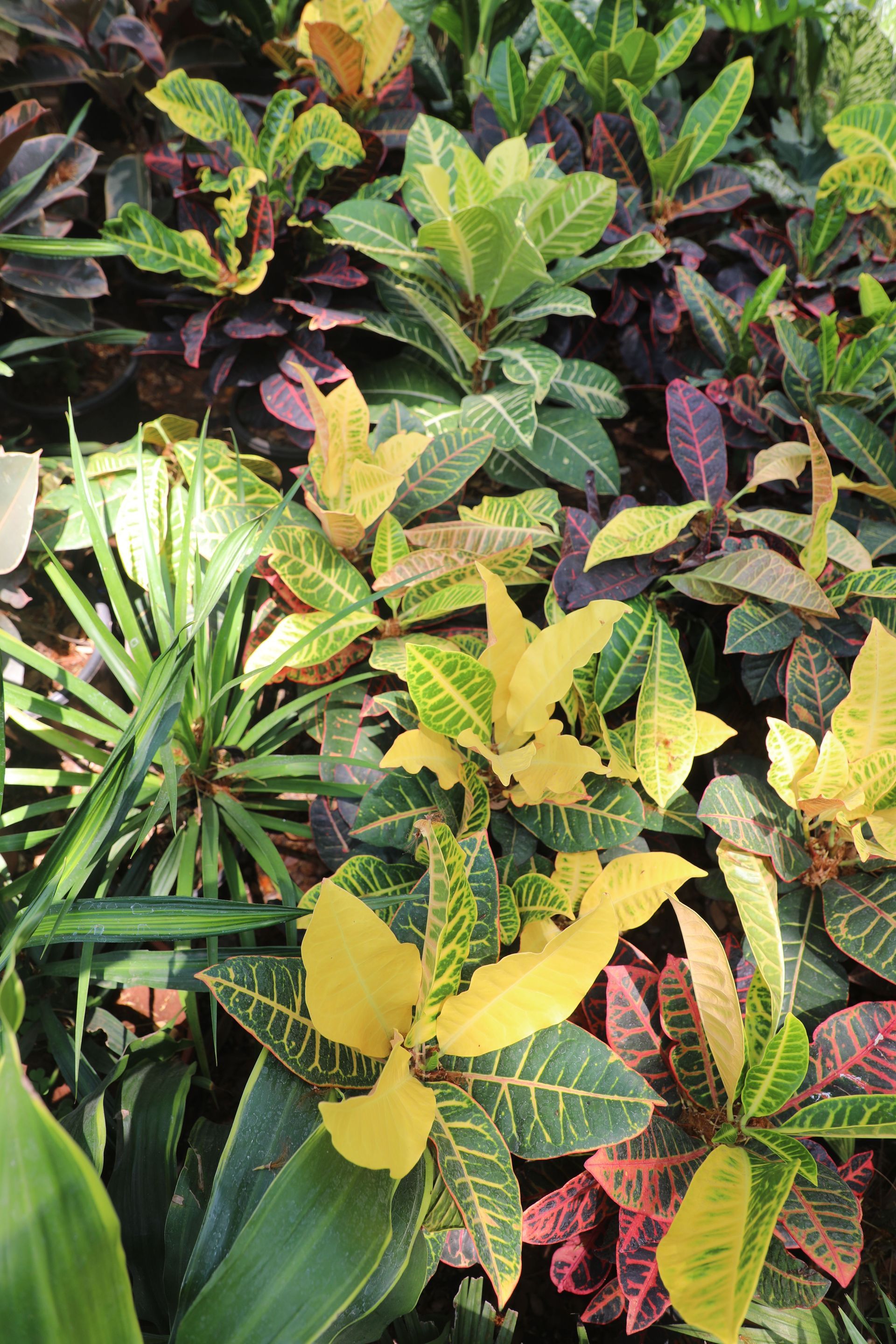
Considered the ultimate “fall favorite,” the croton checks all the boxes for fall flair in a seasonal yard or landscape display. These partial sun/shade lovers are tropical plant so an idea to consider is temporarily adding them to a landscape, then moving them inside or to a patio for winter protection. They are welcome to stay in a landscape year-round, especially to always have a vision for the fall season!


Please note- All Seasons may or may not have these plants in stock available to purchase at the time you come to purchase these. If you're ever looking for something specific, please call the garden center at 337.264.1418 or send an email question via this link prior to your shopping visit! 


September Gardening List
August 24, 2026
-Re-fresh gardens with seasonal color and perennials for a fall show. -Do not plant pansies until the night time temperatures are 65 degrees or lower. -Plant a cool-season vegetable garden. -Start a salad garden in the ground or containers. -Plant bulbs for spring surprises! Planting is easy: dig, drop, done. We now have a fresh shipment of bulbs coming to the nursery in early September! -Divide and transplant Louisiana irises and perennials. By splitting plants now and transplanting, you can move perennials and give them a strong foothold before the cold weather arrives. Make sure to water heavily the night before and keep new transplants moist until rooted in. -The ruby throated hummingbirds can now be seen during their fall migration. Plant a treat for them! We have several choices. Many of their favorites are perennial fall-blooming plants. -Hybrid tea roses may be pruned now to 18 or 30'' tall to encourage a fall flush of blooms. -Continue to water all plants. -Install fresh sod. Water daily for the first week, and every other day for 3 more weeks. Water twice weekly until temperatures start to drop. -Plant Mums when budding – before flowers are open - to enjoy the burst of full color all season. Mums will be here mid-month. -Fertilize plants. Cooler nights and warmer ground temperatures brings abundant root growth. We recommend our Espoma product line of organic fertilizers. These are non-burning, slow release foods that will help plants build up sugars to carry them through the upcoming winter months. -Continue to harvest your garden vegetables. Freeze beans, corn and peppers. Trim and hang herbs to dry for winter use. -Start a compost or keep perfecting it now in time to help enrich the soil for fall plantings. -Mulch all plants in ground or containers to retain moisture and smother weed growth. -Begin planting trees and shrubs. September is a great time to plant and update your existing landscaping. Plants put in ground during the fall get a strong start for spring next year!
Root stimulator
August 24, 2026
Many people are asking whether the fall is an okay time of the year to plant, with winter being a stone’s throw away. The answer is that it’s the best time of the year to plant! You may think spring is the best time of the year for planting, but it is NOW! By planting in the fall, it takes advantage of the amazing opportunity to get plants established. The first priority after planting is root growth. This occurs best during the fall and winters in Louisiana when shoots and flowers grow slowly. FOCUSED ENERGY Think of the springtime-leaves and limbs growing, flowers erupting, new plants getting established in their new home. It’s a busy time for plants. They have a lot of work to do and they have to do it all at once! It’s like your boss giving you 10 jobs to accomplish all at once. A plant’s energy is pulled into many directions simultaneously. Fall is a different matter. A new tree has only one job to do in the fall-grow new roots. This is exactly what you want a new plant to do for it’s long-term health. A tree will grow roots until the ground freezes in the winter, establishing a strong foundation for it’s future. ENVIRONMENTAL CONDITIONS What season follows spring? Summer. Hot, dry summer. A spring-planted tree will require careful maintenance to insure its immediate health. It is a stressful time for plants, particularly newly-planted ones. Fall planting is less stressful for trees and shrubs. The growth processes are slowing down as the tree goes dormant. This allows the tree to conserve its energy into root production as talked about already. The cooler temperatures and fewer leaves mean that the tree isn’t using as much water which translates into less maintenance for you. Can you successfully plant trees in other seasons? Of course! But the focused energy and the environmental conditions of fall allow for less transplanting shock on newly-planted trees. A tree that is not stressed is a happy, healthy tree. Which translates into less work for you. More time for you to enjoy a cup of coffee on the porch on these crisp mornings. We suggest buying and applying root stimulator when you plant your trees and shrubs. Is this snake oil, or some kind of voodoo? The fine print on the label says it contains something called indole-3-butyric acid. What exactly is this? Well, butyric acid is a synthetic plant hormone that very closely imitates the function of the natural hormone, auxin, in plant development. Auxin is the hormone that tells the tip of a stem or root to grow, and there is an auxin receptor at every node and tip of every stem and root. For example; when our roses become leggy and we cut them back to make them “full” again, we are removing the auxin receptor at the end of that branch, forcing all the side buds along the stem to receive more of the hormone. This is what creates new side branching, which are the next stems to grow and produce new flowers. Just as we deadhead or cut back bushes and shrubs to make them prettier, we tell people to trim or tease the root system of a plant that has just been taken out of a container before planting. This breaks off the tips of those roots that have begun to encircle the base of the pot it was grown in and will allow new side shoots to form at the edges of the root system so the newly forming roots can grow outward and downward, instead of continuing in a spiral. When plants are first in the ground they don’t have the ability to reach any of the water in the soil that is not directly against the existing roots. Many people make the mistake of seeing that some part of their flowerbed is moist and think their plant is okay, but the new plant already drank all of the water right next to its roots and there will be a little halo of dry soil surrounding that new plant. This is where Root Stimulator comes in. Plants really like grow when there are warm days and cool nights and soil temperatures are 55-65 degrees. We can force the plant’s roots to think it’s time to grow, however, by applying the butyric acid. Our root stimulator also contains a wetting agent, which actually helps moisture reach root surfaces, helping those baby roots access every last bit of water available. This will encourage rapid development of new feeder roots and help with easy water absorption while the plant is trying to become established. The fertilizer in root stimulator contains relatively high phosphorus which encourages branching development (think of roots as underground branches), and lower amounts of nitrogen which encourages leaf growth. The larger the root system gets with time, the more water the plant can absorb, even if we are not getting much rain. This is why fully established plants should only ever be irrigated if we are in a serious drought. The surface of our soil may dry very quickly, but the roots of healthy plants are reaching far into the ground to access groundwater not available at the surface. Root stimulator is very easy to use – all you need is a watering can. Simply mix 3-1/2 tablespoons (1.75 oz) of root stimulator into a gallon of water, and water your transplants with it once every two weeks until they get established. Small bedding plants can get about a pint (16 oz) of water, whereas larger plants 2-3 feet tall can get about a half gallon. Larger shrubs and trees will like a full gallon of root stimulator solution once every two weeks. It is important to note that Root Stimulator is not rated for edible plants. By the following spring, your plant should have a well-established root system, and will be ready for conventional fertilizer like tree and shrub food or all-purpose fertilizer.
Citrus in Containers
August 24, 2026
Living in Louisiana has many advantages, including our subtropical climate that supports the growth of many different types of plants that require warm, humid temperatures. This includes citrus trees, which are native to subtropical and tropical climates and are winter hardy in USDA plant hardiness zones 9a through 11. Louisiana USDA hardiness zones cover 8a through 10a. In our southern part of the state citrus trees thrive outdoors with few problems when it comes to temperatures. In central and northern Louisiana, which are in zones 8a and 8b, citrus must be grown in a greenhouse or brought indoors during cold months when there is a threat of frost. Growing citrus in containers can help with this. Cold-hardy citrus such as satsuma, sweet oranges, grapefruit and kumquats can grow well outdoors in Louisiana. Less cold-hardy types such as lemons and limes can survive when protected during hard freezes outdoors once they are older, larger and established. Many home gardeners have lost more tender trees in extended freezes. Some recommended citrus for containers are Improved Meyer lemon, limes and kumquats. These are naturally smaller trees that will last longer in containers. One benefit of growing citrus in containers is being able to bring the plants indoors during extended freezing temperatures. Standard citrus is too big for indoors, but dwarf varieties grafted onto rootstocks that limit their size help make them easier to grow in containers and speed up the fruiting process. Container size and material type is one of the most important factors for success of container-grown citrus. If you buy a 3-gallon-size plant and want to bump up the size, don’t go too large. A 3-gallon pot is 10 inches in diameter. You want to double that size to 20 inches for the next container and allow for growth of roots as well as the tree. Light-colored pots on wheels with drainage holes make great selections because they are portable, and the lighter colors do not heat up as much in the summertime. The wheels make moving the plant indoors in freezing temperatures much easier. You may want to place them on plant dollies for easier movement because if they are heavier. Citrus are active year-round. They do not go dormant in wintertime but do slow their growth. Most citrus will go into active growth in late winter and early spring, followed by flower production that gives way to fruit in the fall and winter. For the best fruit production, place in an area that gets six to eight hours of direct sunlight. Make sure the pots stay evenly watered. Use a potting mix that has both good water rete Citrus benefits from annual fertilizing that increases with each year of age. Young trees should be fertilized with light but frequent doses of 10-5-5 fertilizer or one specific for citrus throughout the growing season from spring to early fall. Apply fertilizer in a 3-foot-diameter circle around the tree directly under the tree canopy by spreading. Do not mound fertilizer around the trunk. Stop applying in late fall and winter. Limit the size of your trees and promote bigger fruit by pruning after they have produced and you have harvested. Be sure to remove rootstock suckers that have thorns with pruners. Most importantly, protect citrus in freezing temperatures by moving them inside until the danger of frost passes. Citrus offers interest year-round with evergreen foliage, highly fragrant flowers and, best of all, tasty, nutritious fruit that can be picked from the comfort of your home patio. Article by LSU Ag Center. Click Here to Visit Online.
Growing your Orchard
August 24, 2026
Nothing tastes better than homegrown fruits and vegetables. The whole process, from planting the tree, to harvesting the fruit. It is so rewarding. You literally get to eat the fruits of your own labor! Maybe you haven’t tried growing different fruiting trees or shrubs, but did you know that right here in South Louisiana we can grow all different kinds of citrus, figs, peaches, plums, pears, blueberries and more!? When planning out your own home orchard, consider the following factors: Site: The more sun, the better. Fruiting plants need a lot of sunshine to produce the most fruits. Also high on the list, drainage. Make sure that the location where you choose to plant your plants does not hold a lot of water. Your fruit trees will not like to have wet roots. And some trees, like peach trees, are already very susceptible to fungus. Soil: Make sure that you add a generous amount of healthy, rich, gardening soil. Not top soil, gardening soil. Blueberries are VERY particular about their soil. The soil needs to be acidic, rich with organic matter, and they need a heavy application of mulch around the base. Selection: Making the right selection of plants for your orchard is very important. You will want to choose varieties that have proven performance for our area; taking into consideration the heat, humidity, rainfall, and something we call “Chilling Hours.” The term Chilling Hours refers to the amount of hours that the temperature is below 45 Degrees Fahrenheit through the winter season. So if a tree says that it requires 200 Chilling Hours, than in order for it to produce fruit, it must be less than 45 degrees for over 200 hours. If you blindly choose a fruiting plant, and know nothing about the number of chilling hours that it requires to bear fruit, than you may have just planted a tree that will never bear fruit. Additionally, in the “Selection” category, make sure that you are aware if the plants that you choose require an additional pollinator. Citrus trees are self-pollinating. This means that you can simply plant one citrus tree and have citrus fruit. However; most varieties of plums, peaches, apples and blueberries will require you to plant two different cultivars in order to have successful fruit production. This may seem like a lot of things to consider when thinking about planting some fruiting plants for yourself, but trust us, the rewards will be worth the work! There is nothing like picking an apple or peach right off of the tree, or a blueberry or blackberry right off of the shrub or vine- and eating it!  We are always here to help you with all these factors to select the right plant in the right area and to ultimately put the "fruit of your labor" on your plate!
Prepare for Fall
August 24, 2026
Assess the Damage A flower garden can tell you a lot at the end of the growing season. You'll want to assess the results of all your spring and summer work, and prepare the garden for next spring. First, take a walk around your garden and look at how all the plants did over the summer. Track successes and failures of individual plants. Identify which plants have outgrown their space and need to be divided. Add Mulch Determine which bare areas could use soil amendment and new plants. Add mulch where necessary. Check for Diseases Check the overall health of plants — look for diseases and damage. Replace Old with New Replace summer annuals in containers and garden beds with cool-weather flowers. Prepare You'll want to weed, deadhead faded blooms, divide overgrown plants, dig up non-hardy bulbs for winter storage, remove spent annuals, amend soil and add needed mulch. Replace ties with jute twine. Natural fibers make the best ties because they're more flexible. They'll break down over time, but at that point, it will be time to retie the plants anyway. Amend soil where there are bare spots or where you've removed annuals. Add compost and peat moss to replace nutrients lost during summer growth and to better prepare the soils for spring planting. Turn the amendments into the soil with a garden fork to distribute it evenly. Brush off any mulch that's sitting on branches of shrubs because it can cause leaves and needles to yellow. Preparing the Lawn Fall is a good time to do some minor maintenance in the lawn. Raking up old dead grass (thatching) helps the grass put out new runners for a more lush lawn. Fall is the time for fungus, so a systemic fungicide at this time can help us get ahead of fungus issues. Spreading a pre-emergent herbicide (such as dimension or preen) in the lawn can help us prevent cool season weeds before they start. If you have any established weedy patches, now is also the time to take care of those. Using Weed Free Zone (2-4d) will take care of established weeds in the lawn. Rose Care September is a great time to cut back roses in South Louisiana. Trim back about 25% of the bush and remove canes that are crossing each other to promote better air flow. Fertilize with an organic fertilizer to have another fall show of flowers before winter. Clematis Care Cut the vine back to the ground. New shoots will form from the base next spring. Remove All Annuals from the Garden Remove all annuals from the garden. You can save seeds from most annuals and plant them next year. Zinnias are an easy plant to collect seeds from and to grow from seed. For window boxes, simply remove summer annuals, add more potting mix and plant cool-weather bloomers like ornamental kale and pansies. Disinfect Pruners Disinfect pruners before using them on other plants as you remove spent blooms and foliage throughout the garden. Compost Bin Don't put any diseased plants into your compost pile. Perennial Border Dividing perennials reinvigorates plants and gives you new plants to add to other areas of your garden or to share with neighbors and friends. Ready Your Container Plants Believe it or not, the most overlooked group of plants this time of year is container plants, and there are plenty of things to consider with respect to their care. Annual Container By definition, these plants only last a year, but there are ways to extend their lives. You can, for example, take cuttings of various annuals and root the in either water or a potting medium such as vermiculite, perlite or soil-less potting mix.Just remember to strip all but the top few leaves off the stem, keep the potting medium moist at all times and keep plants out of direct sunlight. Within a few weeks the plants should develop a dense mass of roots, at which point you can pot them up and grow them as houseplants. This doesn't work with all annuals, but it's fun to experiment. Tropical Container Many tropicals, including palms and bananas, make excellent houseplants throughout the winter months. A good move now is to make room for all your tropical plants indoors, because this is also the time of year when sudden drops in temperature can come seemingly out of nowhere. Woody tropicals such as plumeria and citrus can easily be overwintered indoors - or in the garage, as long as the temperature doesn't drop below freezing. Transplanting Perennials Consider transplanting perennials from their containers directly into the garden. Carefully remove them from their pots, trim their roots a bit to stimulate the growth of new feeder roots, stick them in the ground and trim their top growth a little. Herb Container They tend to look pretty shabby toward the end of summer, so either harvest and dry them or consider moving them indoors. Generally, though, herbs don't do very well inside unless they get a lot of natural or fluorescent light. (The same goes for most succulents, though cacti seem to fair best among them.) We have Grow Lights specially formulated for indoor plants! These bulbs fit into any standard light socket! Keep the Birds Coming When you invite birds into your yard by feeding them, they do a fantastic job of keeping the insect population in check, which means you don't have to spray or dust as often to control pests.  Don't Forget the Shed! Take time to clean your garden storage area, tossing old chemicals — responsibly of course — and taking note of what you'll need to replenish before next spring.A number of gardening products have a shelf life and may lose their effectiveness over time or if they get too hot or too cold. That's particularly true of botanical insecticides such as Bt and beneficial fungi.And of course you should tend to your tools. Rub metal tool surfaces with a light coating or oil; rub wooden tool handles with boiled linseed oil; and sharpen everything that needs it with a proper file.
August 24, 2026
Fall is upon us, so it's time to add those new plants to your landscape! You may think spring is the best time of the year for planting, but it is NOW! By planting in the fall, it takes advantage of the amazing opportunity to get plants established. The first priority after planting is root growth. This occurs best during the fall and winters in Louisiana when shoots and flowers grow slowly. In Louisiana, trees can be planted until the second week in January. There are several excellent LSU Ag Center recommendations, Louisiana Super Plants, like Shoal Creek vitex, sweetbay magnolia, willow oak & southern sugar maple. These are some of our favorites, too! Shrubs, roses and flowering perennials also do great when planted now. Shrubs are the "bones" of a landscape. There are many selections to plant now, and by following proper planting procedures and care will lead to success. Popular shrubs for our area are: azaleas; camellias; hydrangeas; Indian hawthorns; loropetalums; viburnum; cleyera; gardenia; and more! A well planned landscape most often contains both deciduous and evergreen plants. Using both types help to accent seasonal changes. A landscape can be refreshed by using a variety of plants! Contrast with texture and color. From the ground up: Soil preparation for fall planting · When planting in containers, choose a good quality potting soil or container mix. Some may have a slow release fertilizer in them. · When planting in established beds, refresh soil with compost, bed builder, soil conditioner, etc. · When starting new flower beds or vegetable beds, start with bed builder, add compost, peat moss, and slow release fertilizers like manure, bone & blood meal, cottonseed meal, kelp meal or Osmocote. · When planting single trees or shrubs, mix soil taken from the planting hole and mix in compost. Plant tree/shrub on a mound; use soil/compost underneath the root ball and around it. Mulch well. · Always mulch your plants well. It will help with moister retention, soil temperature fluctuations (keeps soil temperatures cooler in summer/warmer in winter) and controls weeds. Caring for plants in the fall · Insect and disease problems are minimal in fall and winter. · A few things to watch for are: Cabbage worms on fall veggies; scale insects on hollies, camellias and citrus trees. · On vegetables use bacillus thuringiensis or spinosad. · Scale insects can be controlled with horticultural oil sprays. Some favorite plants for fall · Early fall color: crotons; mums; ornamental peppers; ornamental cabbage & kale; marigolds; petunias; Swiss chard; red mustard; lobelia; calendulas; gaillardia · Fall & winter color: pansies; violas; snapdragons; petunias; alyssum; calendulus ; leaf plants like ornamental cabbage & kale; colorful lettuces; chard · Perennial color for fall: perennial salvias; hamelia (Fire bush); gaillardia; buddleia; firespike; lantana; rudbeckia · Fall & winter vegetables: cabbage; broccoli; cauliflower; Brussel sprouts; radish; carrot; turnip; spinach; lettuce; beets; chard; arugula; endive; celery · Cool season herbs: parsley; cilantro; dill; fennel; rosemary; thyme; mint; cutting celery · Fruit trees/shrubs: apple; peach; pear; plum; fig; pomegranate; persimmon; mayhaw; blueberry; citrus · Fruiting vines: grapes; muscadines; blackberry; raspberries · Cold hardy trees/shrubs: maples; oaks; birch; holly; azalea; camellia, etc. Did you know we offer FREE consultations "tes for landscaping & landscaping maintenance? We want you to fall in love with a new landscape or your existing landscape cleaned up and ready for the seasons!
Fall Plants
August 24, 2026
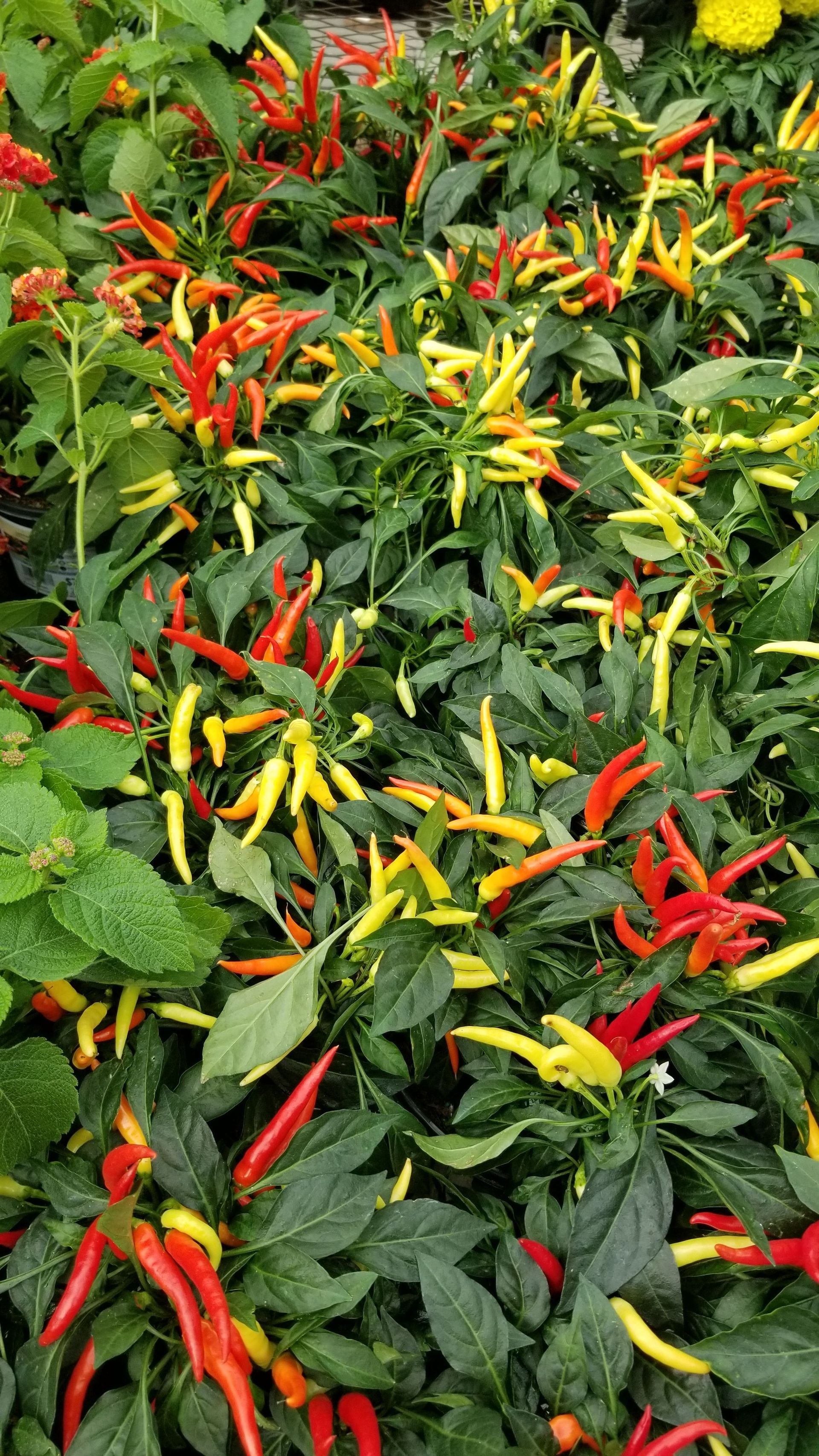
Fall brings a great range of plants to bring in the season, from heat tolerant plants to endure a long, hot fall, to cold-lovers that will survive through to spring! Here are ten seasonal favorites. Croton This tropical foliage plant would really do well throughout the warm season, but it is a fantastic addition to fall gardens for its leaves in shades of red, yellow, and orange. It will endure until first frost, but it may want protection if temperatures dip below zero. Ornamental Peppers Many colors and forms are available, but they all scream South Louisiana like few other ornamental plants. Just like the edible sweet and hot peppers we grow for food, these beauties will not slow down as long as temperatures stay mild. Another heat lover that will carry us into the fall feeling, even if temperatures are summertime-hot! Ornamental Cabbage and Kale The first two choices might not survive a harsh winter, but Ornamental cabbage can thrive in heat and cold alike. They are not even fussy about soil or sun. And, since the colorful foliage is the attractive feature of the plant, one need not worry about how to make it bloom! Plant cabbages fall through spring for a long-lasting show. Edible Greens While we are growing cabbages for ornament, why not share some edible greens in the landscape? They can be planted right now and endure until spring, and many varieties of lettuce or chard offer beautiful leaf colors. Nothing will brighten your mood on a cold January morning like a nice bed of healthy greens to bring to the supper table! Camellia sasanqua While the Camellia japonica, with its large, rosy blooms in spring, is more famous, Sasanquas are a smaller species that are essential for the fall landscape. Blooming will commence in Late September or anytime in October, and carry on through Christmas. Many sizes and forms are available, from tree-sized beauties, to the dwarf, sun-loving Shi Shi Gashira. Try a unique variety and become a Camellia collector. All Seasons carries many unusual and hard-to-find ones. Autumn Sage Fall is a great time to see hummingbirds in the back yard. Why not plant some nectar plants to attract more to your yard. The aptly named Autumn Sage always hits a peak bloom in fall, and is a hummingbird favorite. Plants get about 2-3 feet tall and around, and remain evergreen. Good drainage is essential for these Texas Natives. Snapdragons The jewels of the winter garden, Snapdragons can be planted in fall and will continue to perform through early May. Dwarf and tall varieties are available, but the tall ones always bloom the best. Flowering may slow down if temperatures dip below freezing, but the plants survive and resume in spring with another big show. If flowering slows down, cut them back to encourage reblooming. Petunias Gardeners flock to nurseries every spring for flats upon flats of petunias. We should be planting them in fall instead. They rarely survive summer heat, but make it through winter just fine, so why not get the most bang for our buck? Petunias planted in fall will be better-rooted come spring, anyway, so it actually improves their heat tolerance. Little Henry Sweetspire Most of our native trees go more brown than golden in winter, due to mild temperatures, but a proven provider of fantastic fall color is Virginia Willow, or Sweetspire. Little Henry is a dwarf form that stays at about 3 feet. Leaves turn burgundy-purple in fall but persist on the plant nearly all winter, making a ruby gem of color in otherwise green and brown landscapes.  Viola Tired of your pansies rotting, failing to bloom, fading in the heat? Though related, the tiny viola is everything a pansy is not. Though they are not bulletproof, violas bloom better and for longer, are more heat tolerant, and seem to shake off moisture-related illness better than their larger-flowered cousin. Please note- All Seasons may or may not have these plants in stock available to purchase at the time you come to purchase these. If you're ever looking for something specific, please call the garden center at 337.264.1418 or send an email question via this link prior to your shopping visit!
August 21, 2026
Stop Fall Weeds Before They Take Over Your Louisiana Lawn The weather may be cooling down, but that doesn't mean it's time to stop thinking about your lawn. In fact, one of the biggest fall lawn mistakes is waiting until weeds are everywhere before doing something about them. Here in Louisiana, fall is an important time to start thinking ahead. While your warm-season grass begins slowing down, cool-season weeds are getting ready to make themselves at home. Taking action now can save you a lot of frustration later. Why Are We Talking About Weeds Before You See Them? Because that's the point! Many of the weeds that become noticeable during the cooler months begin from seeds already sitting in your soil. Once conditions are right, those seeds germinate and suddenly those little weeds seem to be everywhere. That's why pre-emergent weed control can be such an important part of a fall lawn-care routine. Instead of waiting for weeds to appear and then trying to kill them, a properly timed pre-emergent helps prevent many weed seeds from successfully establishing in the first place. Think of it as getting ahead of the problem instead of chasing it all winter. Timing Matters One of the most common questions we hear is: "When should I put down pre-emergent?" The answer isn't simply a specific date on the calendar. Soil temperatures and weather conditions matter, which is especially important in Louisiana where "fall" doesn't always feel very much like fall! Applying too early or too late can affect how well your weed-control program works. That's why it's a good idea to pay attention to local conditions and make sure you're choosing the right product for your particular lawn. Don't Wait Until Your Lawn Is Covered in Weeds Once weeds have already germinated and started growing, a pre-emergent isn't designed to make those existing weeds disappear. At that point, you may need a different approach. That's why identifying what is currently happening in your lawn is so important. Pre-emergent and post-emergent products serve different purposes , and using the wrong one can leave you wondering why your weeds aren't going away. If you aren't sure what you're looking at, take a picture and bring it to us! Know Your Grass Before You Treat It Before applying any lawn product, make sure it is labeled for your type of turfgrass. Different lawns have different needs, and not every weed-control product is appropriate for every grass variety. Always read and follow the product label, including application rates, watering instructions, and turf restrictions. Not sure what kind of grass you have? That's exactly the kind of question we're here to help with. A Little Work Now Can Mean Fewer Weeds Later It's tempting to forget about the lawn once summer ends, but fall lawn care can make a major difference in what you're dealing with during winter and early spring. Your fall checklist can be as simple as: Identify your turfgrass. Look for existing weeds and lawn problems. Choose an appropriate fall weed-control strategy. Apply products according to their labels. Continue monitoring your lawn as temperatures change. The goal isn't to wait until there's a problem—it's to get ahead of it. Have a Lawn Question? Bring It to All Seasons! Not sure which product you need? Can't identify a weed? Wondering whether it's the right time to treat your lawn? Come see us at All Seasons Nursery & Landscaping in Lafayette . Bring us a photo of your lawn or the weed you're fighting, and our team can help you determine your next step and find a product appropriate for your lawn. Don't wait for the weeds to take over. A little fall preparation now can make maintaining your lawn much easier later!
August 14, 2026
Fall Rose Care in Louisiana: How to Keep Your Roses Healthy & Blooming Fall is one of the best seasons for roses in Louisiana. After making it through the intense heat and humidity of summer, cooler temperatures can encourage healthier foliage, richer flower color, and another beautiful flush of blooms. Whether you're growing Knock Out Roses, Drift Roses, hybrid teas, or another favorite variety, a little attention now can help your roses finish the growing season strong. 1. Give Your Roses a Late-Summer Cleanup By August, roses can look a little tired from Louisiana's summer heat. Start by removing dead, damaged, or diseased growth and cleaning fallen leaves and debris from around the base of the plant. For roses that benefit from pruning, late August into early September is a good time for a light trim to encourage fresh growth and fall flowers. Avoid extremely heavy pruning, and don't continue pruning late into fall. As colder weather approaches, new tender growth is more susceptible to frost and freeze damage. Deadheading spent blooms can also help repeat-blooming roses put their energy toward new growth and flowers instead of seed production. 2. Keep an Eye Out for Fall Rose Problems Louisiana's warmth and humidity can create ideal conditions for both insects and fungal diseases. Regularly check your roses—especially the undersides of leaves and tender new growth—for signs of trouble. Common problems to watch for include: Aphids Spider mites Thrips Whiteflies Black spot Powdery mildew Rust Catching problems early makes them much easier to manage. 3. Our Rose-Care Pick: BioAdvanced 3-in-1 If you're looking for an easy way to simplify your rose-care routine, BioAdvanced 3-in-1 Insect, Disease & Mite Control is a great product to have on hand. It provides three types of protection in one product: insect control, disease control, and spider mite control . According to BioAdvanced, it controls listed pests including aphids, thrips, whiteflies, Japanese beetles, and spider mites while also treating common rose diseases such as black spot, powdery mildew, and rust. It's labeled for use during spring, summer, and fall. That makes it especially useful during the transition into fall, when you may be dealing with lingering summer pests while also trying to protect fresh foliage from disease. Garden Tip: Always read and follow the product label before applying any pesticide, including directions for application rates, timing, plant restrictions, and precautions. 4. Don't Forget About Feeding Roses use a lot of energy producing their fall flush of flowers. In South Louisiana, late summer into early fall is an important window for fertilization, but timing matters. The University of Louisiana at Lafayette's Ira Nelson Horticulture Center recommends making the final rose fertilizer application by late September and keeping it light. Too much fertilizer late in the season can encourage tender new growth just as temperatures begin to drop. BioAdvanced also offers an All-In-One Rose & Flower Care formula that combines fertilizer with insect and disease protection. Its fertilizer analysis is 9-14-9 and it's designed to promote strong roots and blooms while protecting against listed pests and diseases. 5. Water at the Base Even when temperatures cool down, roses still need consistent moisture. Water deeply at the base of the plant rather than frequently giving it small amounts of water. Whenever possible, avoid repeatedly wetting the foliage. Keeping leaves dry can help reduce conditions that favor fungal diseases. Check the soil before watering rather than automatically watering on a schedule. Louisiana weather can change quickly in fall, and roses may need significantly less supplemental water after periods of rain. 6. Refresh Your Mulch A fresh layer of mulch is one of the simplest things you can do for your roses heading into fall and winter. Mulch helps: Retain soil moisture Moderate soil temperatures Suppress weeds Protect the root zone as temperatures fluctuate Keep mulch a few inches away from the rose's main stems rather than piling it directly against the plant. 7. Know When to Stop As we get later into fall, the goal changes from encouraging new blooms to preparing the plant for winter. Once colder weather approaches, put away the fertilizer and pruners. Pruning and fertilizing too late can stimulate tender new growth that may be damaged by freezing temperatures. We recommend waiting until late winter for more substantial pruning. At that point, simply keep your roses watered, when necessary, maintain your mulch, remove diseased debris, and enjoy the last flowers of the season. Set Your Roses Up for a Beautiful Fall Don't count your roses out after a long Louisiana summer! With a little cleanup, proper watering, timely feeding, and protection from common insects and diseases, fall can bring some of the most beautiful rose blooms of the year. Stop by All Seasons Nursery & Landscaping for your fall rose-care essentials, including BioAdvanced 3-in-1 Insect, Disease & Mite Control , and let our team help you give your roses what they need for a strong finish to the growing season. Healthy roses now can mean stronger plants, gorgeous fall color, and a better start when spring rolls around again.
Garden in late summer
July 27, 2026
As we ride out this last stretch of summer, it’s time to start looking forward to fall gardening weather. Here is a list of what to do in the garden and landscape into September. Watering: Help struggling plants survive drought stress by watering them early in the morning or late in the evening when temperatures are cooler. This reduces water loss due to evaporation and allows the plants to absorb water more effectively. Be sure to water deeply at the base of the plant. This encourages plants to develop deep root systems, making them more resilient to drought. Use drip irrigation or soaker hoses to deliver water directly to the soil at the base of the plants. This minimizes evaporation and helps prevent wetting the foliage, which can lead to fungal diseases. Establish a watering schedule to keep track during extended drought periods. Lastly, avoid fertilizing during periods of drought and heat stress, as this can increase water demand and stress the plants even further. Rose care: This is the time of year we typically recommend trimming ever-blooming roses by a third for new blooms in October and November. Pruning plants during a drought requires a more cautious approach. Pruning can have both positive and negative effects on plants during drought conditions, so it's important to assess the situation carefully. Pruning during drought can help reduce the water demand of the plant by decreasing the overall foliage and transpiration rate. Removing dead, damaged and nonessential growth allows the plant to allocate its limited resources more efficiently to the parts that matter most for its survival. But pruning during a drought period can also exacerbate the stress plants are experiencing due to water scarcity. Pruning can temporarily slow down growth and recovery. Some guidelines for pruning during drought conditions are to limit pruning to essential tasks such as removing dead, diseased and damaged canes. Avoid heavy pruning or shaping cuts that can lead to significant water loss through wounds. If you decide to prune, do so early in the morning or late in the evening when temperatures are cooler to minimize stress on the plant. Keep a close eye on the pruned plants and be sure to water them appropriately. Newly pruned plants may require extra attention and care to recover. After removing canes from your roses, disinfect pruners to prevent disease spread. When removing diseased material, rinse your pruners in a 10% bleach solution and then in water before making any new cuts. This will help prevent the transfer of disease to other parts of the plant or other plants in the garden. Do not prune once-blooming roses, as you may reduce the blooms for next year. You may remove any dead or diseased canes, however. Hold off fertilizing until temperatures and rain become more consistent. Fungal disease prevention: Spray roses for blackspot and powdery mildew using appropriate fungicides. You may choose to use triforine, thiophanate methyl or copper oleate. Follow manufacturer’s directions carefully. Rake up and remove all fallen leaves to prevent further infection of rose bushes and dispose of them in the trash. Do not compost infected plant material. Bed maintenance: Trim and stake tall plants and deadhead annuals, perennials and vines. Remove tired plants and think about replacements for cooler weather. Start selecting cool-season annuals and perennials for the landscape. This is also a great time to start thinking about what trees and shrubs to plant in the fall. Lawn care: Watch for chinch bug damage, treating with insecticides if necessary. Fire ants are a problem on the lawn as well. Treat with granular baits if needed.  Transplanting and vegetables: You can transfer fall tomato plants. Be sure to monitor for pests and diseases. You’ll be able to replace spent summer crops with broccoli, cabbage, kale and more in the upcoming months. Consider keeping productive spring plants like eggplants and peppers. Complete these tasks to ensure your garden thrives into the fall and remains resilient against drought and heat and the threat of hurricanes.