Is it an Annual or Perennial?

February 23, 2026

One of the most joyous parts of gardening is planting COLOR! Unique, pretty, fragrant and COLORful flowers. Now you probably know, or remember, that we generally categorize flowers into two different categories. Can you guess the two categories? The first one is pretty easy, “Annuals,” and the second one, what is it again? “Perennial!”


If you’re not completely sure on the difference between the two, let’s clear the air for you.


An annual plant can be started from seeds or by transplants, and its defining characteristic is that it lives its complete life cycle within one season, or possibly up to a year, and then dies. 
An annual flower spends most of its energy producing flower and seeds for the purpose of reproduction. Hence why annual plants provide us with such striking and bold color in the garden. Depending on the type of plant, annuals can grow in full sun areas, full shade areas, in cold winter weather, and hot summer weather. So when selecting annual plants for Southeast Louisiana, make sure that you are choosing the right plant for the right location and for the right season.


A true perennial plant is one that completes its life cycle within a season, and goes through a period of dormancy where it stores energy in its roots, underground, to be able to produce foliage and flowers in the next season. In the simplest of terms, a perennial plant will “come back each year.” Similar to annuals, different perennials will perform better in different locations. Here in the Lafayette area, with our lack of cold temperatures and abundant rain through the winter, be sure to plant your perennials in a well-drained flower bed. If the bed holds water, or receives too much water through the winter months, there is a high chance that the roots of the plant will rot through the winter months when it is dormant.

Now that we are all clear on the difference between annual and perennial plants, we know that the thought of having ALL perennial plants that will ALWAYS come back year after year sounds amazing, but it is important to be realistic when planning out your flower beds. The MOST colorful, full and beautiful flower beds are not commonly filled with exclusively perennials. While several perennial plants provide beautiful color during their blooming period, annuals plants will almost always have more color for a longer period of time. So don’t be discouraged when you begin to shop for your flowers and find that all of the pretty colorful ones that you like the most are annuals.


Be open to mixing annuals and perennials together, and be open to having to replant some annuals once or twice a year.

March To Do List
February 23, 2026
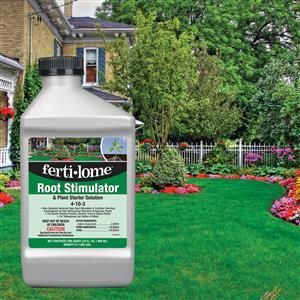
We've missed you! Now it's time to head out to visit us, make your plant purchases and get them properly planted in your yard or in containers! The sooner the better. In our tropical climate with the extreme heat and humidity that will occur June through September, it is very important to get all plants established and stable before it gets too hot. These plants will have a much better chance of making it through their first summer, which is the biggest challenge for new plantings in our area. Even a few weeks of time can make a big difference in whether these new plants can stabilize from the shock of being transplanted, and have ample time to start growing new feeder roots. One product that will definitely help with these two essential aspects for success is a product called Root Stimulator by Fertilome. This is an easy to use product. Just mix with water and pour over the roots of the plant. It helps with transplant shock and gives the plant nutrients, but most importantly, it stimulates new feeder roots. Proper watering throughout the first summer is also essential. Did you know that potting mixes and soils are not the same? Most commercial plants are grown in a soil-less mixture. Bark, peat, perlite and vermiculite are common components of this type of mix. To determine if a mix or soil is suitable for most plant growth, place that soil or mix in a container and water. Rather quickly, the water should drain from the bottom of the container. If it doesn't drain, it must be amended with coarse items to encourage drainage. Adding a premium bagged compost or planting mix to outdoor containers adds weight and will hold more moisture to facilitate blooming and hold the plant upright. MARCH TO DO LIST: -Plant perennials in the ground so they will be well established. -Restore color to beds and borders by replacing cool season annuals with summer bedding plants. -Summer vegetables can be planted now! Amend and feed the soil with the proper mixes. We can help! -All types of summer bulbs can be planted now such as: caladiums, canna lilies and elephant ears. -Now is the right time to plant citrus and avocado. Fertilize them when planting. -As the weather warms, move tropical plants (such as bougainvilla, crotons, hibiscus, etc) back outside gradually to reduce sun damage. -Fertilize the area where you planted spring bulbs using a bulb food. -Fertilize a light application to roses. -Fertilize houseplants and re-pot if necessary. -Protect plants from hungry snails & slugs. We can help! -Feed the hummingbirds! Put out at least one feeder, keep it clean and full to attract the hummingbirds. They begin arriving around March 21!
power of pollination
February 23, 2026
Spending time in the garden often involves shooing away bees, but have you ever stopped to think about the benefits that these and other garden pollinators provide to our environment? Think back to elementary or middle school. You probably learned that a pollinator helps carry pollen from the male part of the flower to the female part of that or other flowers. Although some plants and flowers do not need insects or animals to aid in pollination, many do. Some common pollinators are bees, wasps, moths, butterflies, birds, flies and small mammals like bats. Why is this important to us? According to the National Park Service, one out of every three bites of food you eat only exists because of these pollinators. These foods include fruits, vegetables, and seeds. Even the air we breathe is affected by pollination. Look around you. Those plants you see help to clean the air, supply oxygen, and feed wildlife. When you think of these things, it really puts the importance of pollinators into perspective. What can you do to help your friendly neighborhood pollinators? Here are some great tips from The National Park Service. Although these things may seem small, they are a BIG help to birds, bees and other helpful creatures. Plant native flowers that bloom at different times. Also, planting flowers of different sizes and colors in clumps as opposed to scattering them in your landscaping is beneficial to pollinators by making it easier for them to locate their lunch. Give your pollinators a drink! A shallow dish of water placed on your deck or patio will help pollinators stay hydrated. Don't forget to partially submerge stones or rocks in the container so they have somewhere to rest while drinking. Otherwise they may drown. Did you know that many plants that are called weeds are actually useful to pollinators? So you can take a break from pulling some of those weeds. Limit pesticides. Before using a pesticide, ask yourself: Are flowers in bloom or are pollinators active during the pesticide application? Are there alternatives? We carry organic solutions to many gardening issues. Remember, pollinators can be harmed if they consume nectar or pollen that has come into contact with pesticides. Alternatively, you can help reduce the risk of exposure by applying pesticides at night when bees and other pollinators are not active. Nesting and sheltering sites are always appreciated! Remember that different types of pollinators require different things. Some bees and pollinating beetles may use downed tree limbs and logs; many butterflies lay eggs and rear their young on host plants; a small patch of bare ground might serve ground-nesting bees. Potential nesting sites include trees (both living and dead), shrubs, brush piles, bare ground, and bee boxes.
February 23, 2026
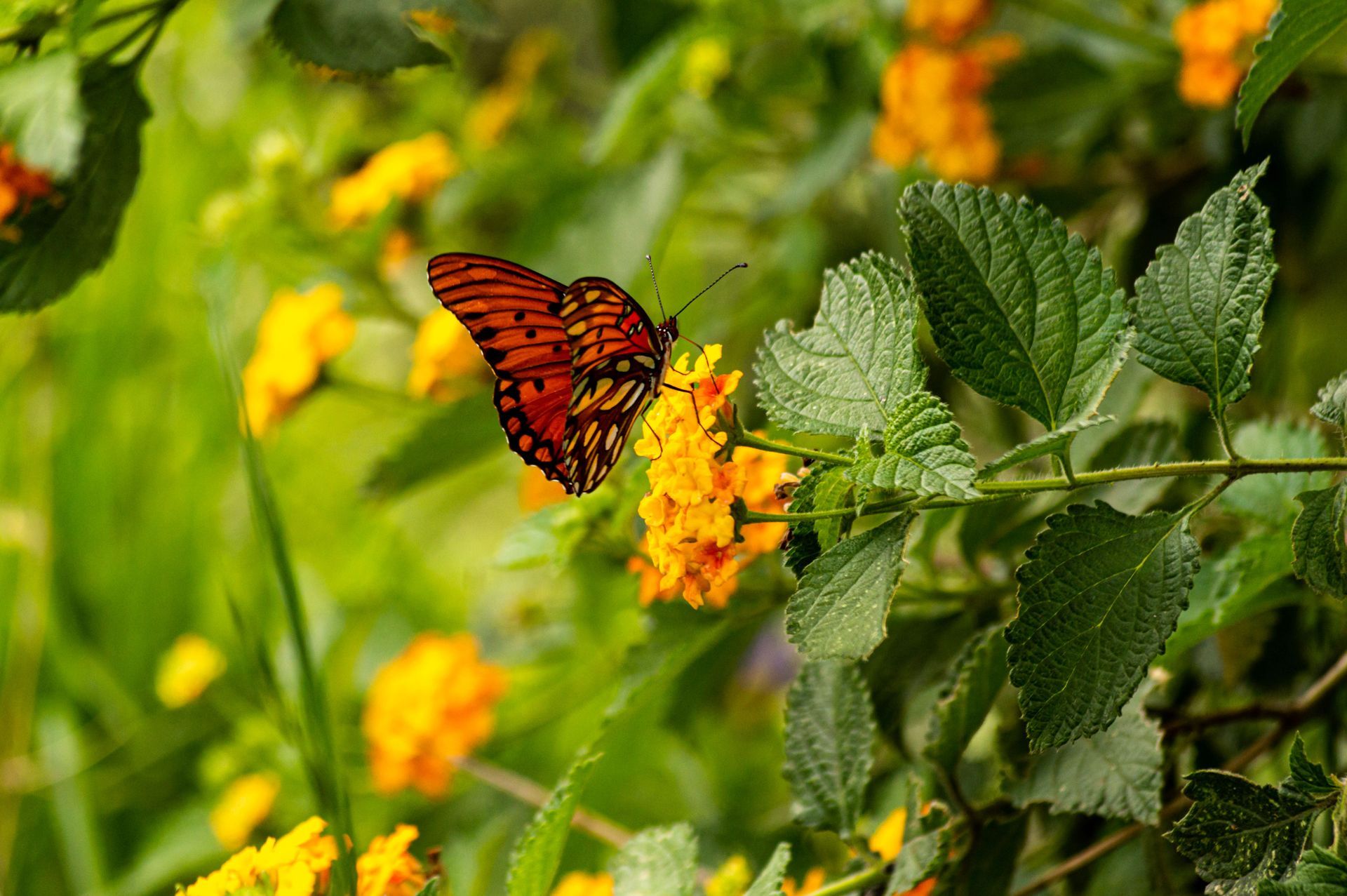
Pollinators play an important role. In fact, they are essential in the eco system surviving. The simple truth is that we can’t live without them! Virtually all of the world’s seed plants need to be pollinated. Let’s celebrate pollinators and help them do their job, which benefits us most of all, by cultivating the specimens they need to thrive.  Butterflies: Everyone loves to watch butterflies flutter from flower to flower. It brings us a sense of relaxation to watch a butterfly, and to know we have planted what they love brings accomplishment! The most important thing to remember when creating a butterfly garden is to plant both nectar and host plants. Providing host plants for caterpillars to feed on, you will have a front row seat to the metamorphosis process! The caterpillars will consume the host plants then become a chrysalis before the adult butterfly emerges looking for the nectar plants. Then, the females will lay the eggs to hatch into a caterpillar so the cycle can continue. It’s important to plant host plants and not be discouraged with caterpillars eating the plant. It’s usually only temporary! Some host plant ideas are: Passionflower, Milkweed, Swamp Milkweed, Asters, Butterfly Weed, Dill, Hollyhock, Sassafras, Fennel, etc. Nectar plants for the butterflies serve their purpose, and are beautiful in your space! There are so many choices, and they all pack a pop of color to enjoy all season! A great idea to cover a problem area while luring butterflies to your yard is to buy seeds and sprinkle them in that area. The seeds will germinate and create a lasting love for you, and the butterflies! If you don’t have room for a garden, hanging baskets will do the trick just as nicely. Some great nectar plant ideas in shrubs are: abelias, butterfly bush, honeysuckle, spiraea, etc. Some great nectar plant ideas in perennials are: yarrow, butterfly weed, aster, daisy, cosmos, coneflower, joe-pye weed, sunflowers, salvias etc. Some great nectar plant ideas in annuals are: lantana, zinnia, penta, marigold, verbena, geranium, portulaca, allysum, impatiens, etc. One last important thing to note when planting your butterfly retreat is not to use any pesticides! You may be killing off the very insects you made the garden for. There are natural remedy options to repel harmful insects, like aphids. Talk to us in the Plant Health Care room to help point you in the right direction! Bees: As stated in the introduction, every garden requires pollinators, and bees are among the finest, and hardest working! Without bees, there would be limited flowers and far fewer fruits and vegetables to enjoy. In fact, about 30% of the food we all eat depends on the pollination of bees. Besides planting flowers they enjoy, consider bringing more bees to your garden by providing a safe place for their shelter and to lay their eggs. Pollinator houses are trendy and compact enough to be part of your patio décor. There are many bees that are great pollinators, such as the carpenter, mining, sweat and cellophane bees. However, some of the most well-known and easily identified bees are the honey and bumble bee. Both of these live in social colonies and are cavity nesters. They require a constant supply of floral nectar close to their hive all summer long. Some of the biggest threats to the healthy and continued existence of the honey and bumble bee are their habitat loss. Some great nectar plant ideas in trees and shrubs are: apple, redbud, willow, blackberry, blueberry, etc. Some great nectar plant ideas in perennials are: aster, bee balm, black-eyed Susans, goldenrod, joe-pye weed, penstemon, coneflower, savlias, stonecrop, sunflower, etc. Some great nectar plant ideas in annuals are: lantana, aster, catmint, alyssum, salvias, zinnias, lavender, marigolds, calendula, etc. As with butterflies, keep the bees in your garden by eliminating chemical use, especially when plants are in flower. Hummingbirds: The ruby-throated hummingbirds zip across our Southern skies twice a year. They begin migrating from Mexico during the late winter and early spring to head up north for the summer. Then, once it’s fall again (usually August), they will make their way back south to Mexico. Fun facts about hummingbirds: They are the smallest bird in the world! They can beat their wings about 75 times per second! Wow! They can drink 8x their body weight, and also consume about 500 insects daily! Time to get their feeders and your yard ready to fuel them! Hanging hummingbird feeders with sugar water attracts birds looking for a snack. Most feeders are red since this is the color proven to attract them. We sell safe nectar ready to hang to welcome these winged creatures! It’s important to note that if you’re DIYing your nectar, do not use red dye. Hanging a feeder from February through October is a good plan of action! You can also charm hummingbirds to your yard with a selection of their favorite nectar-producing flowers. They are actually attracted to plants with color, and not plants with scent. Red is their choice in color, but any other bright colors like pink, purple, orange and yellow will also attract them. Another important factor to their favorite plants is the shape. Tubular-shaped flowers accommodate their long, narrow beaks. Some great nectar plant ideas in shrubs are: azaleas, butterfly bush, abelias, bottle brush, etc. Some great nectar plant ideas in vines are: honeysuckle, tangerine beauty crossvine, etc. Some great nectar plant ideas in perennials are: bugleweed, bee balm, cardinal flower, columbine, coral bells, daylily, delphinium, gaura, hollyhock, hosta, phlox, gayfeather, rose mallow, cuphea , salvias, etc. Some great nectar plant ideas in annuals are: fuchsia, penta, geranium, sage, nasturtium, petunia, pineapple sage, red salvia, zinnia, etc. An important note, similar to the butterflies and bees, refrain from using insecticides when attracting hummingbirds. They rely on insects for protein, especially during the summer, so they’ll help to clean out your beds of pests! For all pollinators, make sure you offer them an available water source, such as a birdbath!
Plants that attract butterflies
February 23, 2026
Start planting now to make sure butterflies have your garden on their radar! Butterfly Bush (Buddleia) Butterfly bushes (Buddleia or Buddleja) are large, fast-growing shrubs whose flowers are irresistible to butterflies. Buddleias are easy-care plants and have a fragrant scent, making them delightful for an outdoor gathering. Phlox Phlox is a low-growing, spreading plant that forms a blanket of blooms all summer. Perennial varieties are great for a year-round groundcover. Coneflower (Echinacea) Coneflower is one of the best flowers for attracting butterflies. It adds a flashy touch of color to the late summer landscape. Plant echinacea among a low growing perennial bed where showy flowers will stand above the rest. Lantana Lantana produces profuse color, showing off clusters of tiny, eye-catching blooms in a variety of hues. Typically grown as an annual, it's an excellent low hedge or accent shrub that you can also train as a standard. It attracts butterflies and tolerates our heat. Zinnia Zinnias are an absolute butterfly magnet. They are rich with nectar, and butterflies will gladly float around a large patch of zinnias for hours each day. Deadhead to promote rebloom, and consider planting a dwarf variety such as ‘Profusion’, so they don’t flop over later in summer. The "Double" varieties are gorgeous, resembling a lion's mane, but butterflies can have trouble reaching the nectar. Passion Flower Passion flower is an exquisite and beautiful bloom, and it is also the host plant of the beautiful Gulf Fritillary. Simply put, putting a purple passion vine in your yard guarantees heavy interest from butterflies, year after year. The caterpillars will eat the foliage before sprouting into butterflies, but passion vine is vigorous enough to regrow from any damage. This vine does like to spread; it would be better alone on a fence or trellis than in a mixed bed with other perennials. Black-Eyed Susan Black-eyed Susan is one of the great wildflowers of North America and was one of the first to become a domesticated garden flower. Its showy golden yellow flower head with black centers are a visual delight. Heliotrope Heliotrope has a sweet, pungent scent that some liken to the smell of cherry pie. It is large flowered yet compact and has attractive, dark green foliage and a bushy habit. Lavender Lavender is a perennial favorite for gardeners and butterflies alike, producing tall, fragrant spikes of purple blooms. Hailing from the Mediterranean, it's drought-resistant and can take the heat. Milkweed The only food source of Monarch caterpillars and a preferred source of nectar for many butterfly species, including the adult Monarch, there are over 100 varieties of milkweeds in North America. Butterfly Weed (Asclepias tuberosa) A type of milkweed, drought-tolerant butterfly weed isn’t picky about growing conditions. Give it a sunny spot, and you’ll be on your way to a flowery summer. Butterflies, bees and other pollinators can’t resist these bright orange blooms. This perennial pushes through soil in late spring, well after other plants are up and at ‘em. Pincushion Flower Pincushion Flower is an annual that is a member of the aster family. The plants grow easily from seed and with enough water and a little shade, will bloom from midsummer to any frost. We also have them all spring in the transplant form. Agapanthus Agapanthus comes to life in late summer. It features large, elegant, deep blue bell-shaped blooms that are clustered together on tall, sturdy stems. These showy flower heads stand well above the plant's foliage. Aster Aster is an herbaceous perennial that comes in a wide variety of colors. Its daisy-like flowers bloom in late summer and autumn in a sunny site. Salvia Salvia produces fragrant foliage and tall spikes of flowers, usually in shades of purple or white. Its nectar attracts butterflies and hummingbirds. Sunflowers Cheerful, colorful sunflowers attract both bees and butterflies to the garden. Goldenrod Goldenrod is a perennial with bright yellow flowers that add color to a late summer garden. Penta Butterflies and hummingbirds can’t resist penta's flowers, which perch prettily atop deep green leaves. Plants grow 18 to 24 inches tall and 10 to 15 inches wide. Joe-Pye Weed This statuesque plant adds strong architectural interest to your flower border and attracts butterflies by the dozen. Because perennial foliage usually declines after the plants bloom, choosing a late-season bloomer such as Joe-Pye weed ensures you have lush, beautiful foliage all season long. Cardinal Flower (Lobelia cardinalis) This stunning American wildflower loves moist, shady woodland areas and attracts butterflies and hummingbirds for miles around. Please note All Seasons may or may not have these in stock. Please contact us to confirm their availability! You can call us at 337.264.1418 or contact us here.
Plant Terms
February 23, 2026
What do "plant people" mean when they say...? When they say texture? Texture refers to the plant’s foliage. Plants with small or narrow leaves are considered to be finely textured. Those with large foliage are identified as ‘coarse.’ This isn’t a value judgment- both fine and coarse textures are important to creating a beautiful landscape. When they talk about habit? Habit is the general shape of a plant. Some plants are round, like a ball. Others may have a columnar shape or taller and full all around. There are plants that are narrow at their base and wider at the top and vice versa. Having a variety of habits in your garden gives it a nice variety, just like different sizes will. When they look for contrast? Contrast is what makes a design ‘pop.’ Bright flowers and foliage look even better when planted near a classic evergreen. Contrast finely textured and coarser plants to add interest to the garden, and a variety of habits and sizes to create movement. Plants can also contrast with building elements, such as soft, arching shrubs planted near a spare, concrete bench. When they reference season of interest? This is a fancy way of saying when a plant adds color to the garden. Some plants have flowers, others have colorful foliage. Newer varieties often re-bloom or have bright foliage all season, so they have multiple seasons of interest. Some plants’ season of interest is fall, when their foliage turns bright colors or they produce fruit. And don’t think that there aren’t any plants with winter interest-many shrubs have evergreen foliage or vivid bark that is at its showiest when temperatures are lowest. When they specify dwarf? Dwarf does not necessarily mean small. It means smaller than is typical for the species. Some dwarf varieties can still get pretty large, although nowhere near as large as the traditional variety. Landscape professionals and horticulturists like dwarf plants because they fit more easily into residential landscapes and require less pruning.
Zinnia
February 23, 2026
Don't say you have a brown thumb! Try these easy-to-grow, can't-kill beauties and watch your beginner's thumb turn green. Sunflowers Sunflower seeds are large and easy to handle, so they're great for children or beginner gardeners. You can find sunflower seeds in many different sizes and colors; they grow happily in sunny gardens. Plant a few seeds at a time over the course of several months to have nonstop blossoms from early summer through first frost. Even if you don't want to start from seed, we will be stocked with sunflowers for Spring and Summer! Zinnia Look for zinnias in almost every color except blue; they're also available in a variety of heights. The flowers may look like daisies or dahlias- even pom poms! Plant them in the sun and space them as directed on the seed packet or label; good air circulation helps prevent disease. These are also a butterfly magnet as a bonus! Marigolds Cheerful marigolds are easy to grow in sunny spots, brightening your garden with shades of yellow, red and gold as they bloom all summer long. African or American type marigolds grow 3 to 5 feet tall, but you can find shorter and more compact varieties. Vinca Vinca are the workhorse of the summer garden, outperforming all others in challenging, hot beds. The key to success with Vinca is knowing when to plant them. Those that are planted early while days are cool may be prone to root-borne fungus. Wait until daytime temperatures are in the upper 80s and at least 70 at night before planting to prevent infection. If a bed of Vinca does get fungus, plant something else there the next year to end the cycle. Impatiens Impatiens ask little more than a shady spot and enough water to keep them from wilting. Plant these pretty annuals when the weather is reliably warm. In recent years, many impatiens have succumbed to downy mildew. Begonias Tough, can't-kill summer begonias are great for hanging baskets, containers or garden beds. Give them partial sun or shade and they'll reward you with lots of lush color. Pentas Bring butterflies to your beginner's garden with Pentas in red, white, pink and/or purple. Pollinators absolutely love the blossoms, and the plants are absolutely trouble-free in full sun. Taller varieties are more vigorous and free-blooming, and look good in the back of flowerbeds for some height. Daffodils Plant daffodil bulbs and stand back. They'll burst into bloom each spring, filling your garden with color and fragrance. Give these hardy bulbs a sunny or partly sunny home in the garden or in containers. Cosmos Add cosmos plants to your garden or grow these daisy-like flowers from seeds. These annuals are so undemanding, they'll bloom even in poor soils. They like full sun (but appreciate afternoon shade in our hot climate) and tolerate drought once they're up and growing. Geraniums Great in window boxes, hanging baskets, pots or the garden, geraniums are low-maintenance plants. Grow these perky flowers for color from spring until frost; they prefer full sun, but may need some afternoon shade in our hot region, especially when we get "cookin" from June-August. Morning Glories To help morning glory seeds sprout, soak them in tepid water the night before you plant or file the hard seed coat to open it. Once they're started, morning glories can take care of themselves. But because they drop their seeds and self-sow readily, be careful where you plant them or you'll be pulling volunteers for years! To help control unwanted seedlings, mow, rake or heavily mulch the ground underneath the plants. Blanket Flower (Gaillardia) Blanket flowers (Gaillardia) are native wildflowers in parts of the U.S., and they grow robustly in full sun. These butterfly magnets bloom almost nonstop. They are aptly named, as a mass planting will so envelop the earth with blooms you won’t be able to see what’s beneath! Daylilies These sun-loving perennials bloom dependably in almost any kind of soil, as long as it drains easily. Best of all, you can divide them after a time and expand your garden. The dwarf, re-blooming ‘Stella’ is very popular, but the varieties of size and color they come in are staggering! Please note All Seasons may or may not have these in stock. Please contact us to confirm their availability! You can call us at 337.264.1418 or contact us here.
February 23, 2026
As spring finally awakens, there is no doubt that we will begin to see bursts of color throughout the landscape. While we are grateful for these spring flowers, we are also anxiously awaiting the return of one of our favorite blooms. The hydrangea, that graces us with its beauty all summer long will be making an appearance soon! So, what are the things we do to keep these beauties healthy and ready for bloom season? Water Hydrangeas should never dry out - especially during hot weather. Check your plant’s water needs regularly during the spring through summer, and water as needed. Light Depending on the variety, there are hydrangeas that grow well in whatever light conditions you have: full shade, partial shade and full sun. Most hydrangeas will grow well with 4-5 hours of sun and prefer morning sun to the hot afternoon sun. Mulch In an effort to preserve moisture to their shallow roots, hydrangeas should be mulched with 2-3 inches of shredded bark over their root zone. Pruning Pruning is primarily divided between 2 methods. It is imperative that you know the variety of your hydrangea so that it can be properly pruned. Pruning a hydrangea the wrong way may lead to the absence of flowers during the growing season. Pruning Method One: Macrophylla, Oak Leaf & Serrata Hydrangeas These types of hydrangeas typically bloom on ‘old wood’ – growth from the previous season. Flowers usually appear in June and July but the future season’s flower buds form on the stems during late summer & early fall. These hydrangeas should be pruned immediately after flowering so they can produce buds for the next season. Do not prune these hydrangeas in late fall, winter or spring.  Pruning Method Two: Arborescens and Paniculata Hydrangeas The hydrangeas in this group flower on new wood – growth from the current season. Do not prune these hydrangea types in the late spring or summer since they are about to bloom on this year’s new growth. Pruning is typically done in early spring or late fall. However, spent blooms can be left on the plant in fall for winter interest. ‘Arborescens’ hydrangeas should be cut back 12”-18” from the ground in early spring to help prevent flopping during the upcoming season. ‘Panicales’ can be pruned to shape. Exceptions · All dead or broken branches and stems should be removed from the plant each year. · If your hydrangea is outgrowing its space, it can be pruned, but that may mean forfeiting blooms for the short-term. It is always good to choose a hydrangea that can grow to its full size without needing to be pruned to fit the area. · After 5+ years of age, one third of the living stems can be removed. This will revitalize the plant. · ‘Deadheading’ spent flowers is not the same as ‘pruning’. It is okay to cut off spent blooms during the growing season for any type of hydrangea. However, be careful not to cut too much of the stem on macrophyllas and oakleaf varieties so buds will not be removed for the following year. Endless Summer and other re-blooming varieties bloom on both ‘old’ and ‘new wood’.
Amazing Azaleas
February 20, 2026
Azaleas seem to boldly announce the arrival of spring when we see their bright blooms appear all over town and neighborhoods. Did you know that evergreen azaleas are primarily native to Japan and China? One of the best effects in a landscape is to plant a mass of the same variety. The result is simply stunning when viewed from a distance. As they mature, they will grow together creating a single mass appropriate to the space. Large-growing varieties make the perfect privacy screen or backdrop for seasonal bedding plants. The flowers azaleas produce come in a variety of colors, some even with stripes. The blooms can range from 1/2 to 5 inches across depending on the variety. Re-blooming varieties, such as the Encore, are very popular and recommended for continuous enjoyment. Encore Azaleas have a wide range of colors to choose from as well! The location they are planted is important, but varies depending on the variety. In general, evergreen azaleas do best in partial shade. In sun, you may find that some of the colors do not last well, and are prone to sun damage. Also be careful because the evergreen azaleas planted in full sun are prone to lace bug, an insect pest that lives under the leaves and sucks out the chlorophyll leaving tiny white dots. Azaleas prefer a moist, well-drained soil. If the soil is rich in organic matter, that's a plus! They are welcomed for container plantings. You'll want to break up the root ball to encourage the roots to start growing and become well established. They are very shallow rooted, so set the plant at the same level or even a little higher than the soil. To maintain soil moisture, always mulch- even if planted in a container. Be careful fertilizing and always read labels or talk to us if you're unsure. We recommend applying two weak applications spaced apart to avoid the risk of burning the delicate roots. Always fertilize after blooming, but avoid doing so in late summer and/or fall. If fertilized at this time, they will be discouraged from going dormant. Pruning should be done after their blooming cycle is complete, before fall. Be careful to avoid removing any more than 1/3 of the branches because it could weaken the plant. Be careful also not to prune in fall because it may encourage late season growth vulnerable to winter damage. General pruning can be done in the spring and early summer to shape them. Avoid pruning after mid-July because that's when they begin forming their buds. You don't want to cut those! If you'd like to share them with a friend, good news: they transplant easy! Be sure to use a root stimulator to avoid transplant shock and, yes, stimulate the roots. Share the joy of amazing azaleas! · Planting & Caring for Encore Azaleas · Encore Azaleas are similar to traditional azaleas in that they require proper planting, watering and care to thrive. Here are a few simple guidelines to help your new plants grow to their full potential: · Sun Exposure · Encore Azaleas perform best in sites that offer anywhere from full sun to part shade. All day filtered sun or morning sun with afternoon shade are okay. A minimum of four hours of direct sunlight per day is required for proper blooms. Too much shade can result in skipped or significantly reduced bloom cycles. · Check Soil Drainage · Encore Azaleas grow best in a soil that is well-drained but moist. As with many other plants, they do not like a constantly soggy or wet soil, which can lead to root rot and other plant diseases. If you are uncertain about soil drainage in the area you intend to plant your Encore Azaleas, it’s well worth taking the time to test the drainage before planting. To test soil drainage, diiiig a hole 12" wide by 12" in the planting area. Fill the hole with water and let it drain. Then, after it drains, fill it with water again, but this time clock how long it takes to drain. In well-drained soil the water level will go down at a rate of about 1 inch an hour. A faster rate, such as in loose, sandy soil, may signal potentially dry site conditions . A slower rate indicates poor draining soil and could be a caution you might need to improve drainage , plant in a raised mound or bed, or look for plants that are more tolerant of wet or boggy conditions. · Spacing · How you intend to use your Encore Azaleas will determine how far apart you space them . When planting a hedge, space plants the same width apart as the mature dimensions specify. This measurement should be taken from the center of one plant to the center of the other. If you want space between plants separate them by more than the mature width dimensions. · Planting · Dig a hole at a depth equal to the height and two to three times as wide as the container your Encore Azalea was growing in. Turn and break up the soil removed from the planting hole. Mix some compost, such as Root Zone Organic Planting Mix with the soil. This is especially important iiiiiiiif you have heavy clay soil. Remove your Encore Azalea from its container and carefully but firmly loosen some feeder roots around the surface of the root ball. Set the plant into the hole you've prepared, making sure the top of the root ball is slightly above the soil level. Pull your soil around the plant, water thoroughly and cover with a 1- to 1.5-inch layer of shredded wood mulch or pine straw. . Water Water your Encore Azalea deeply when you first plant it. During the first growing season keep the soil moist, but not wet, until winter. New azaleas will die quickly if the soil dries excessively, and they can develop root rot if the soil stays constantly soggy. So just keep the soil moist during the first growing season. Your Encore Azaleas should not need regular watering after the first year unless there are periods of excessive drought. Wilting new leaves are a sign your plants need a good deep soaking. Fertilizer Fertilize with the recommended levels of azalea food or a "goof proof' organic fertilizer such as Nitroganic soon after planting . After, feed after the first bloom cycle in spring. To avoid damage from an early frost in fall, cease feeding after August.  Pruning Encore Azaleas do not have to be pruned, or their flowers deadheaded .That being said, they respond very well to pruning and, in fact, will benefit from it. Encore Azaleas are unique in that they bloom in the spring, summer and fall. So when is the best time to prune them? Unlike most other types of azaleas, which only set flower buds one time a year during fall and then bloom in spring, Encore Azaleas produce buds every time new growth is produced. So, pruning Encore Azaleas immediately after the spring bloom cycle will encourage more new growth, and consequently more flower buds. When pruning a healthy Encore Azalea, use sharp pair of bypass hand pruners to cut back branches that have outgrown the rest of the shrub and are spoiling the shape of the plant. Cut these branches back to a point just a couple or few inches above the main form of the plant. Make your cuts about an inch or so above a leaf. Fall & Winter Planting Care: Encore Azaleas do well and are easier to establish when they are planted in fall. New roots produced in fall will help the azalea benefit from an early spring root flush so it will flourish in the next growing season. During the first winter, it's a good idea to cover your young azalea with insulating covering when temperatures are forecast to drop below 20 degrees F. As your Encore Azalea matures, it will need less winter care. Although less watering is necessary when planted during the fall or winter seasons ; do not allow the roots to become dry.
Planting Tomatoes
February 13, 2026
Love tomatoes? Get ready for your best harvest yet, thanks to these easy-grows-it tips. Homegrown tomatoes deliver flavor and then some. Raising your own crop of sun-ripened 'maters is one of summer’s official best rewards. All it takes to grow outstanding tomatoes is attention to detail. Cover the basics, and you’ll be savoring a delicious harvest. Choose the Right Varieties Take time to select tomatoes that suit your growing conditions . Also, select tomatoes that work for how you intend to use them. One of the many benefits of our local garden center is we only stock plants that are proven to do well in our area. You can find varieties for slicing, sauce making or salads. Lastly, choose varieties that deliver the flavor you crave. For instance, tomatoes exist that offer low acid, higher lycopene content, smoky overtones or intense sweetness. Plant Deep The best tomatoes come from plants with a strong root system. Give your plants a head-start on healthy roots by planting seedlings deep in the soil. Start by removing the lowest leaves on your seedling and burying the lower stem. Tomato stems produce roots easily. Any portion of the stem you bury will sprout roots that help nourish and support the fruit-laden plant. Start the Season Early An unspoken badge of honor always goes to the gardener with the earliest tomato. You can start seedlings indoors using a Grow Light, a perfect balance of the nutrient plants need in a “light bulb” form! Stake Tomatoes Keep tomato vines off the ground to protect ripening fruit from pests and diseases. Hoisting vines with cages or stakes also make it much easier to pick fruit. With tomatoes, disease is one of the top problems you’ll likely encounter. Staking and supporting vines increases airflow around leaves, which can help reduce disease outbreaks. Be sure to choose a tomato support that suits the mature size of the plant. Water Tomatoes Properly Tomato plants need consistent watering to yield the most healthy and flavorful fruit. When plants don’t get enough water, the result can be deformed or small tomatoes, and blossom end rot can develop (where the bottom of the tomato turns black). Because of how susceptible tomato plants are to fungus diseases, it’s best to water plants at ground level, using drip irrigation, soaker hoses or creative solutions like a tomato halo. This device holds three quarts of water, delivering it directly to the root zone of the plant, which encourages deep rooting. Mulch Soil It’s important to cover soil beneath tomatoes with a mulch of some kind, such as straw, grass clippings, compost or shredded leaves. Many tomato diseases spend part of their time living in soil. When rain hits the soil, particles splash up and can land on lower tomato leaves, leading to a disease outbreak. Covering soil is one way to help control tomato diseases. Mulch also helps the soil stay moist, which helps ensure a hefty tomato crop. One more great reason to mulch - it suppresses weeds.  Prune Tomatoes Remove lower leaves on tomato plants to help reduce disease outbreaks. Wait until first tomatoes form, and remove leaves below the first fruit cluster. This helps prevent disease spores (living in soil) from splashing onto lower leaves during rainstorms. Combining a thick mulch with lower leaf pruning are two simple steps that bring big results toward improving your tomato harvest. Pick Problem Tomatoes It’s not unusual to visit your tomato patch and discover fruits with all kinds of problems . Heavy rain can cause tomatoes to crack as roots absorb so much water that it literally makes the tomatoes split their skins. This is a big problem with cherry tomatoes especially but it happens with all types. You might also discover tomatoes that critters have been nibbling. Squirrels, birds, deer, even turtles will chomp at ripening tomatoes, seeking moisture. Slugs, earwigs and stink bugs also attack tomatoes and break the skin. Anytime you have a tomato that’s damaged, the best tactic is to remove it from the garden. Bury it in your compost pile, toss it into a far part of your yard, carry it indoors to drop down the disposal — do whatever works for you. But definitely get rid of it. Problem fruits roll out the welcome mat to other pests (fruit flies, wildlife) and diseases. If possible, bury the problem tomatoes to try and contain any pest outbreaks. Keep Watch for Pests Try to visit your tomato plants at least every two days to keep tabs on ripening fruit and also inspect for pests. The tomato hornworm is one pest that can literally obliterate plants overnight. These caterpillars munch their way up and down a plant, making leaves disappear like a magician. They can be tough to spot. The easiest sign to watch for is frass (caterpillar poop), which resembles black peppercorns. If you see those, look beneath leaves for a hornworm, which usually hides during the day and feeds at night. Slugs also climb tomato plants to feast on fruits, and stinkbugs can wreak havoc too. With most of these pests, the best defense is to use gloved hands to knock the culprits into soapy water. As with any plant, we offer the right product solutions for their health care! We have many organic options for you to battle the bugs (and diseases) so you can get back to growing your juicy tomatoes!
winter growing
January 30, 2026
The winter months provide us an opportunity to focus on landscape planning, planting and maintenance. Winter is the perfect time for planting trees and shrubs in the landscape when the temperatures have cooled. Although deciduous trees experience a winter dormancy, the roots are still active and do not enter full dormancy. This time of year is more of a resting phase. The resting period and dormancy are broken once spring arrives. Tree roots are respiring structures, so they need to breathe and continue to function through the winter. All types of trees can be planted in the wintertime, including fruit trees. However, tropical and subtropical trees such as avocados, citrus and olives should not be planted, as they are evergreen and susceptible to damage — even death — in temperatures in the lower 30s and 20s. Hardy shrubs also can be planted this time of year. Some great Louisiana Super Plants Program selections include Belinda’s Dream roses, Drift roses, ShiShi Gashira camellias, Henry’s Garnet Sweetspire, and Conversation Piece azaleas. Also consider natives such as American beautyberry, dwarf yaupon holly, dwarf palmetto, star anise, Virginia sweetspire, inkberry and other native viburnums. Besides planting, winter also is a great time for equipment maintenance. Now that landscape equipment is effectively retired for the season, it’s time to sharpen mower blades and take care of any mower or weed trimmer maintenance. Check spark plugs and change the oil in equipment. Sharpen and oil tools to prevent rusting. Here are some suggestions for a winter planting and maintenance checklist: In the landscape beds, plant tulip and hyacinth bulbs in late December or early January. Remember, tulip and hyacinth bulbs must be refrigerated for six to eight weeks before planting. Some hardy perennials that can still be planted in winter are delphinium, foxglove and French hollyhocks. Cool-season annual bedding plants that are blooming this time of year are alyssum, calendula, dianthus, hollyhock, lobelia, flowering cabbage and kales, pansies, snapdragons and violas. Some of the Louisiana Super Plants cool-season annuals are swan columbines, Redbor kale, Camelot foxgloves, Amazon dianthus, jolt series dianthus, sorbet violas, Supertunia vista bubblegum petunia and Supertunia mini vista indigo petunia. Transplants will provide instant color and bloom best in well-drained areas with six or more hours of sun daily. You will get the most blooms with more sun. For shadier spots with dappled light use cyclamen, foxglove, nicotiana, forget-me-nots, lobelia and primrose. Some maintenance duties for winter are rake and keep fallen leaves of deciduous plants and trees to use as a mulch or to compost. Prune landscape trees, shrubs and evergreen plants that do not flower in the spring (do not prune spring blooming azaleas, hydrangeas and spireas). Prune everblooming roses in late January or early February. Landscape roses like the popular Knock-Out roses should be cut back by about one-half their height (do not cut back lower than 2 feet from the ground). The end of January is a great time to trim your ever-blooming roses to flush out new blooms for the spring. Mulch to protect the roots and rhizomes of tropical landscape plants, citrus and other cold sensitive plants. Spread a 4-to-6-inch layer of pine straw, pine bark, leaves or straw mulch around the base of the plant or cover the entire landscape bed. Be sure to bring in any tropical plants in containers to protect them from freezing temperatures. Deadhead or remove old flowers from your cool-season bedding plants to extend the bloom period and improve flower performance. Begin planning your spring annuals and perennial garden selections. January and February are also the ideal time to fertilize young trees and shrubs in preparation of rapid spring growth. Fertilize shrubs with 1/4 pound of complete fertilizer per square yard, and fertilize trees, using 1 to 2 pounds per year of age. For trees, use a granular fertilizer with a 3-1-2 ratio such as 15-5-10. The amount you apply is based on the square footage of tree roots. For example, apply 20 pounds of fertilizer per 1,000 square feet. Begin a preventative spray program alternating fungicides for blackspot and powdery mildew on roses. Watch azaleas in February for lace bugs. They cause the foliage to have numerous small white spots, and they feed underneath lower foliage. Control them with horticultural oil sprays or a systemic pesticide. Always remember that a healthy plant can ward off insects and disease, minimizing the need to use pesticides, so always give them the best environment, water and nutrients. Winter is the perfect time to get things growing. Article from LSU Ag Center. Visit online here.