Don't Wait! Root Stimulate for Summer Planting Success

May 11, 2026

Many people are asking whether this or that plant can be planted in the summer. The fact of the matter is that Louisiana has a climate that allows for planting 365 days a year, with a little understanding of how plants work and what they need.


Virtually all outdoor landscape plants follow a seasonal succession of growth stages. Tropicals like palms and hibiscus love the heat and grow very well throughout summer; however, any hardy plants that are planted in summer may require a little additional care. Woody plants like trees and shrubs are growing very actively in spring as they are waking up and putting on fresh growth, and there is a second period of root activity in fall when some plants are converting some of their nutrients into starches to be stored in root and stem tissues as the plants prepare to go dormant in winter. In the summertime, roots are still actively supplying plants with water, oxygen, and minerals, of course, but we can give them a little nudge to make roots grow more quickly at the time of planting.


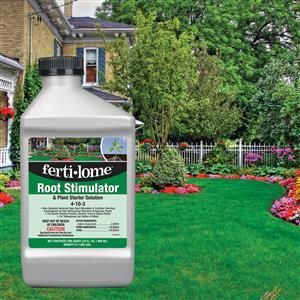
Garden center employees will often suggest buying a root stimulator, good at any time of the year, but especially important in summer when plants are tired and stressed from high heat and long days. Is this snake oil, or some kind of voodoo?


The fine print on the label says it contains something called indole-3-butyric acid. What exactly is this? Well, butyric acid is a synthetic plant hormone that very closely imitates the function of the natural hormone, auxin, in plant development. Auxin is the hormone that tells the tip of a stem or root to grow, and there is an auxin receptor at every node and tip of every stem and root.


For example; when our roses become leggy and we cut them back to make them “full” again, we are removing the auxin receptor at the end of that branch, forcing all the side buds along the stem to receive more of the hormone. This is what creates new side branching, which are the next stems to grow and produce new flowers.


Just as we deadhead or cut back bushes and shrubs to make them prettier, we tell people to trim or tease the root system of a plant that has just been taken out of a container before planting. This breaks off the tips of those roots that have begun to encircle the base of the pot it was grown in and will allow new side shoots to form at the edges of the root system so the newly forming roots can grow outward and downward, instead of continuing in a spiral.


When plants are first in the ground they don’t have the ability to reach any of the water in the soil that is not directly against the existing roots. Many people make the mistake of seeing that some part of their flowerbed is moist and think their plant is okay, but the new plant already drank all of the water right next to its roots and there will be a little halo of dry soil surrounding that new plant.


This is where Root Stimulator comes in. Hardy, woody plants are not going to grow a whole lot when daytime temps are in the mid-90’s and nighttime lows are 78-85 degrees (heat-loving tropicals are an exception to this rule). Plants really like grow when there are warm days and cool nights and soil temperatures are 55-65 degrees. We can force the plant’s roots to think it’s time to grow, however, by applying the butyric acid. Our root stimulator also contains a wetting agent, which actually helps moisture reach root surfaces, helping those baby roots access every last bit of water available in sun-scorched soils.  This will encourage rapid development of new feeder roots and help with easy water absorption while the plant is trying to become established.


The fertilizer in root stimulator contains relatively high phosphorus which encourages branching development (think of roots as underground branches), and lower amounts of nitrogen which encourages leaf growth. If roots are what give the plant water, then leaves, which are exposed to the sun and wind, are what are losing it, which is why plants will constantly be thirsty for more. Applying a fertilizer with low nitrogen in summer will reduce that plant’s leaf growth, limiting the amount of water it needs to survive.


The larger the root system gets with time, the more water the plant can absorb, even if we are not getting much rain. This is why fully established plants should only ever be irrigated if we are in a serious drought. The surface of our soil may dry very quickly, but the roots of healthy plants are reaching far into the ground to access groundwater not available at the surface.


Root stimulator is very easy to use – all you need is a watering can. Simply mix 3-1/2 tablespoons (1.75 oz) of root stimulator into a gallon of water, and water your transplants with it once every two weeks until they get established. Small bedding plants can get about a pint (16 oz) of water, whereas larger plants 2-3 feet tall can get about a half gallon. Larger shrubs and trees will like a full gallon of root stimulator solution once every two weeks.  It is important to note that Root Stimulator is not rated for edible plants.


Doing this even once is great for the plant, but it can be repeated once every two weeks throughout the growing season. When days get shorter and nights begin to get a bit cooler in fall, root stimulator will no longer be necessary. By the following spring, your plant should have a well-established root system, and will be ready for conventional fertilizer like tree and shrub food or all-purpose fertilizer.

Tips and Tricks for Longer Bloom Times
May 11, 2026
Keep the color going in your summer landscape with these easy tips… Flowers in the Landscape Adding flowering plants to the landscape is the quickest way to add visual appeal. "Planting flowers" can mean different things to different people, but no matter what type of plant they select, everyone wants their flowers to last as long as possible. It’s important to choose plants that do well in our area’s summer conditions. There are lots of options, depending on the need/want for annuals, perennials, shrubs, trees, herbs, etc. Use Annual Flowers and Foliage for Colorful Accents Before extending the bloom season, it's important to know what the bloom season should be. Annual flowers produce blooms soon after sprouting from seed, and continue flowering throughout their short single-season lifespan. Most trees, shrubs and perennials have a more compact bloom season, and even re-blooming varieties have bloom/rest cycles that preclude a constant color show. Optimizing the bloom season requires a slightly different approach for each of these categories. Learn more on the difference between annuals and perennials from our blog here! Choose the Right Annuals A key to keeping annuals blooming heavily for several months is planting those species that are coming into season. At any given time there are species that are coming into their bloom season and others that are finishing up. For example, in the South pansies and begonias may both be seen in garden centers in late February; but pansies will soon peter out because of the heat, while it is just getting warm enough to plant begonias. Use Perennials for a Punch of Color The great benefit of perennials in the landscape is that they come back year after year, however they tend to have a shorter bloom season than annuals. While annuals are best used in limited pockets to add a punch of color, perennials are best peppered throughout the landscape to add subtle change and bright "sparks" throughout the season. Re-blooming Plants Extend the Flowering Season One way to extend the flowering season in the landscape is to plant re-blooming shrubs and perennials. These cultivars outperform their old-fashioned peers by flowering on both old (last year's) growth and new (this year's) growth. Plant re-blooming varieties of roses, hydrangeas, azaleas and others and you will enjoy flowers from spring through fall. Mix Seasonal Bloomers Mixing spring, summer and fall bloomers of different species into a blended border is a fantastic way to extend the bloom time of the planting while adding dramatic seasonal change. Maintain Good Fertility Fertility is an important component for bloom production. Annuals, perennials and shrubs each have their particular needs. Feed annuals a granular time released fertilizer at planting time to keep the foliage looking great, and supplement with a liquid "bloom food" throughout the season. Perennials and shrubs should be fed general purpose plant food as they begin to grow in spring and after removing spent blooms. We can help show you which is which in our Plant Health Care room! Deadheading Helps Plants Flower Longer "Deadheading" is the practice of removing spent blooms. Cutting or pinching these old flower heads away helps the plant focus its energy on flower production, instead of ripening seeds. Deadheading can reduce the time between flower cycles by several weeks in the case of many re-blooming shrubs and perennials. It also helps keep annuals looking neat and tidy. Many flowers, such as zinnias, coreopsis, marigolds, salvia, scabiosa and others, bloom longer when you deadhead them. Weed Weed out what you don't want, so favorite flowers don't have to compete for nutrients. Prune For heavy bloom production, hard pruning can be a real help. Pruning stimulates branching, and more branch tips means more flowers. Pruning can be as simple as deadheading, or it can be much more aggressive. Shrubs are often pruned hard at some point (depending on their flowering time) to maintain their size and stimulate branching (read: blooms). Perennials, too can be cut back hard after their first bloom cycle to rejuvenate foliage and stimulate a secondary bloom cycle. Watering Is Key to Bloom Production Stressed plants are capable of flowering rather intensely. This is probably a survival instinct that ensures the plant reproduces. Don't use this instinct as a strategy. Maintaining a healthy soil moisture level will ensure both good bloom production and the longevity of the plant itself. The generally used rule of thumb is one inch of water, from a combination of rainfall and irrigation, per week. Container Plantings Colorful containers are wonderfully flexible, but require a bit of extra attention to provide consistent color. Water and fertilization will need to be provided perhaps twice as often, or more, compared with in-ground plantings. The good thing is the ease of popping out tired plants and popping in new ones as the season progresses. Our Potting Station can help create a beautiful piece for you! Or, you can visit our garden center to shop our pre-made containers! Click here to read our blog on how to create a container garden! Foliage Plants If a colorful, visually appealing landscape is your goal, flowers aren't the only game in town. Consider the effect that foliage can have on the overall picture. Bold colors and textures, structure and even motion are some of the benefits that leaves bring to accent flowers. Foliage lasts all season without the maintenance requirements of flowers, and many of the "foliage plants" offer flowers of their own, like the ornamental flower/seed heads on this purple fountain grass. A Colorful, Mixed Landscape Long-blooming flowers are beautiful, all the more in a well-mixed landscape. Strategically placed annual flower beds, well positioned containers filled with color, expansive perennial gardens and shrub borders all bring their own unique presence to a well-cared for landscape. Providing for their basic needs and tweaking your maintenance habits will ensure that they all maximize their effects on the big picture.
Shade Containers
May 11, 2026
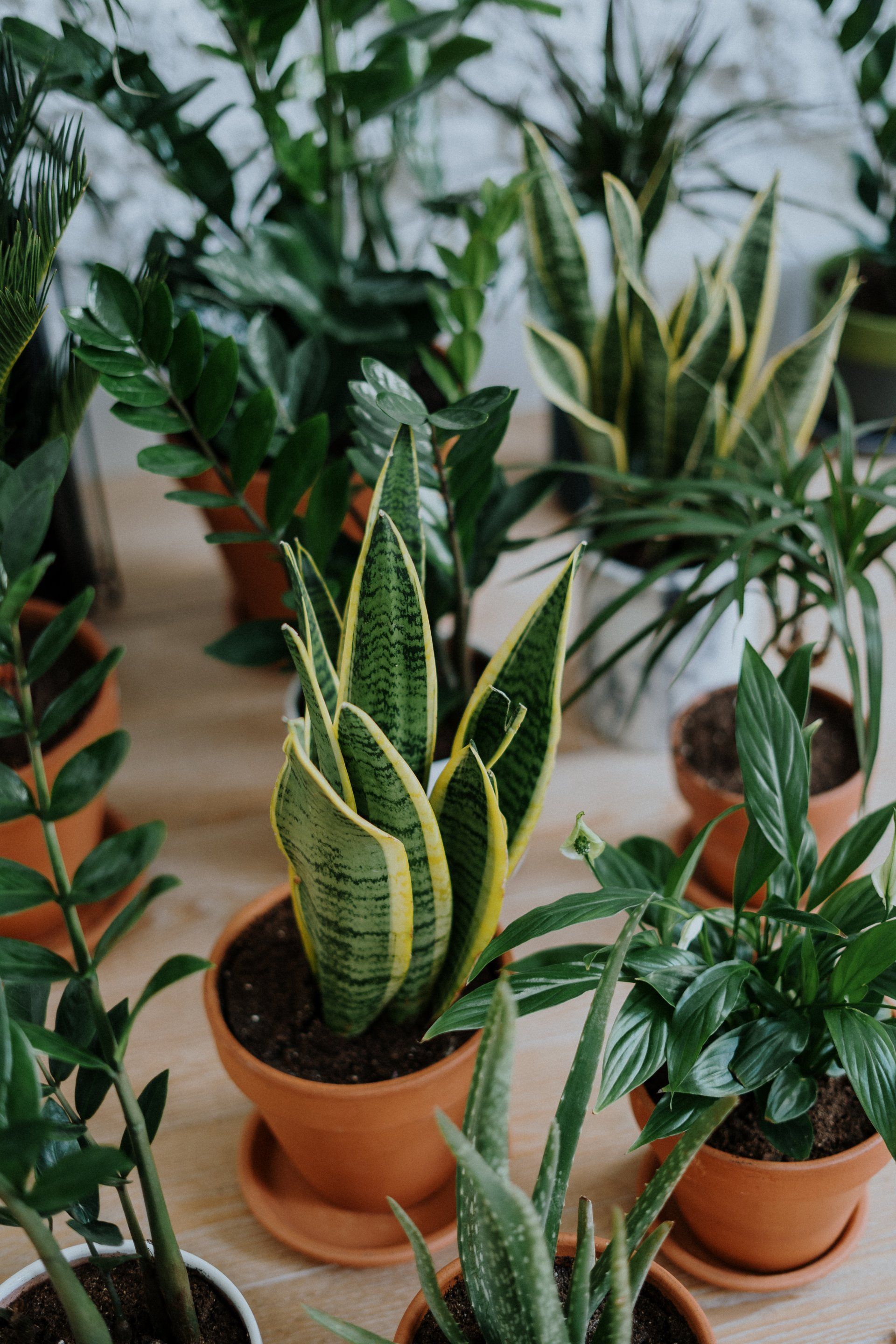
Looking to add color to a shady spot in the yard or under a covered patio or porch? Here is our list of plants that love life in the shade. Succulents You may think all succulents love the sun, but the truth is there are several that do better in light shade, especially during the summer months. They can tolerate some morning sun, but the scorching afternoon sun may fry them to a crisp. How do you know if your succulents need more sun? If they start to get leggy and weak and refuse to flower, then move them to a spot with more sun. Succulents that like shade include: fairy crassula, sedum, aloe vera, jade, devil’s backbone, many different kinds of Sansevieria (snake plant) and kalanchoe. Good vine-like or cascading succulents for shade include wax plant, burrow tail, mistletoe cactus, string of pearls, string of hearts and rosary vine, Christmas cactus, Easter cactus and night blooming cereus. Coral Bells Coral Bells have varieties that are striking in borders with other shade-loving perennials, but they also look fabulous planted solo in containers. This hardy perennial is evergreen so plant it in a container that will lend interest to your winter landscape. They prefer partial shade and are also deer and rabbit resistant. Begonia The begonia family is huge, the topline way to divide the varieties up is by root type. Tuberous begonias are a herbaceous perennial that is usually grown outdoors. Begonias with fine-fibrous root systems are best as houseplants. Both kinds prefer low light and well-drained soil. Tuberous begonias will bloom all summer long in the right conditions. In our warmer climate, plant in dappled to full shade. Begonias look great next to other shade-loving perennials like hosta and heuchera. The bronze-leaf varieties can handle more sun conditions than their green-leaf cousins. Hydrangea There are several compact varieties of hydrangea that make perfect pot dwellers. The biggest challenge to growing hydrangeas in pots is providing sufficient water. They’ll need more water than their in-the-ground counterparts. Plant in big pots, a minimum of 18" to 20" across. This size will provide enough soil to give roots room to spread and to keep you from having to water multiple times a day. Place your hydrangea pots so that they receive morning sun and afternoon shade. Ferns Ferns in hanging baskets are the quintessential front porch accessory, and they're so easy to grow and care for! Keep your ferns out of direct midday sun and make sure to give them enough water to keep the soil damp. A couple of inches of organic mulch will help keep them moist and healthy. Also make sure they are protected from wind and heavy rains. Lamium Also known as deadnettle, this easy-care perennial is part of the mint family. It’s a shade lover with silvery foliage that blooms in the summer, producing clusters of pink or white flowers that resemble snapdragons. It is often grown as a ground cover but can look absolutely charming in a shady pot as a standalone or as a spiller mixed with other shade lovers. Hosta This common shade garden plant can make a happy home in pots. All hostas like rich, well-drained soil. They don’t like dry conditions so provide ample water and spread mulch around them to help retain moisture. Most hostas grow best in part shade, although some varieties can tolerate a little direct sunshine. Hostas' spikey white to lavender blooms beckon bees, butterflies and hummingbirds. Clematis Clematis has about 300 species and an even bigger number of hybrids. With that many to choose from you should be able to find one that will grow in your yard’s conditions in just the right color. And as an additional bonus, there are varieties of clematis that are evergreen. Vining clematis looks wonderful in a container climbing up an arbor, pergola or trellis. Clematis does best in moist, well-drained soil. Plant them deeply and add mulch, but don’t pile up the mulch around the stems, it can cause wilting. Fill the rest of the container with flowering annuals or other small, shade-loving perennials. Torenia Torenia, also known as Wishbone Flower, makes the LSU SuperPlant list for its star performing qualities in a shade garden. These little bell-shaped flowers add rainbow bright colors like pink, purple, magenta, blue and white to a shady area. With their mounding habit, they make excellent filler plants in a container. There are even some varieties that will trail over your container. Mint Mint comes in a variety of fragrances, including peppermint, spearmint, apple, chocolate and orange. Harvest it to flavor teas, salad or cocktails. Mint is best grown in a container because it is a quick grower and tends to be invasive. English Ivy English ivy is a popular container plant for many reasons. It looks great as a spiller mixed with flowering plants or other textural greenery like ferns and hostas. It is perfect for the lazy gardener, just give it a little water when it gets dry and you're good to go. English ivy is available in a variety of sizes and variegated green and white foliage. It’s also evergreen, so it’ll look great with your spring and summer bloomers as well your fall mums, winter cabbages and cold-hardy pansies. Columbine Columbine is easy to grow because it adapts to a wide variety of conditions. Columbine attracts hummingbirds and butterflies, but deer and rabbits will leave it alone. It will self-seed so put it in a container that offers room to grow. Columbine varieties offer an array of colors and growing height. Rosemary Rosemary can be such a versatile part of your landscape. This easy-to-grow herb is known to be a sun lover, but it can also thrive with heavy afternoon shade. Rosemary - whether it’s a variety that grows upright or spills like ivy - makes a great ornamental addition to large containers and hanging baskets. It’s evergreen and does prefer moist, well-drained soil. Harvest it to season meats, potatoes and even cocktails. Creeping Jenny Creeping Jenny is a ubiquitous ground cover because it's easy to grow, but also because it can be invasive, so using it in a container is a smart idea. It is low-maintenance, prefers soil on the moist side, and it grows well in sun or shade although it may acquire a golden hue if kept in a sunny spot. In the deep cold, the color will fade, but next season it will strike back with a vengeance. Citronella Geranium Citronella geranium is an aromatic, hardy perennial with gray-green lobed leaves and pink flowers. It's most valued for its distinctive, warm musky fragrance, primarily used in perfume and potpourri, or as a natural insect repellant. They can be clustered in pots around seating areas to keep mosquitoes from sheltering in nearby vegetation. For best results, plant them where it will receive morning sun and afternoon shade. Please note All Seasons may or may not have these in stock. Please contact us to confirm their availability! You can call us at 337.264.1418 or contact us here.
Tropical Plants
May 11, 2026
Although we complain when it starts to warm up, it is the heat that allows us to grow some of the most amazing plants - blooming tropicals! These plants can be planted in your landscape or containers while taking our heat and bloom all summer long! We define tropicals as woody stem shrubs and vines that perform at their peak when it's hot and humid. There are lots of plants that fit this description; by far the three at the top of the list are Hibiscus, Bougainvillea and Mandevilla. These beauties come in an array of exotic colored flowers. They bloom either perpetually or in cycles from at least May through September. Other popular tropicals include Ixora, Allamanda, Jatropha, Cordyline, Shrimp Plant and Bird of Paradise. Unlike most other plants, the heat actually makes these plants actively grow, so you can plant them well into the summer and have them thrive! Tip: Since these plants grow and bloom in the hottest time of the year, proper fertilization is important for optimum plant health and performance. Ask us for the right products, and we'll point you in the direction of success. Do yourself a favor and create a Backyard Paradise with tropicals in your landscape and relax just like you would if you were on a tropical vacation. Here are some tropical plant choices! These and more available at our garden center! Hibiscus (Shrubs and Tree Forms) Bougainvillea Mandevilla Ixora Duranta Princess Flower (Tibouchina) Allamanda Elephant Ear Banana Plant Shrimp Plant Cordyline Palm Trees Bird of Paradise (Orange & White) Please note All Seasons may or may not have these in stock. Please contact us to confirm their availability! You can call us at 337.264.1418 or contact us here.
Plants to take the heat
May 11, 2026
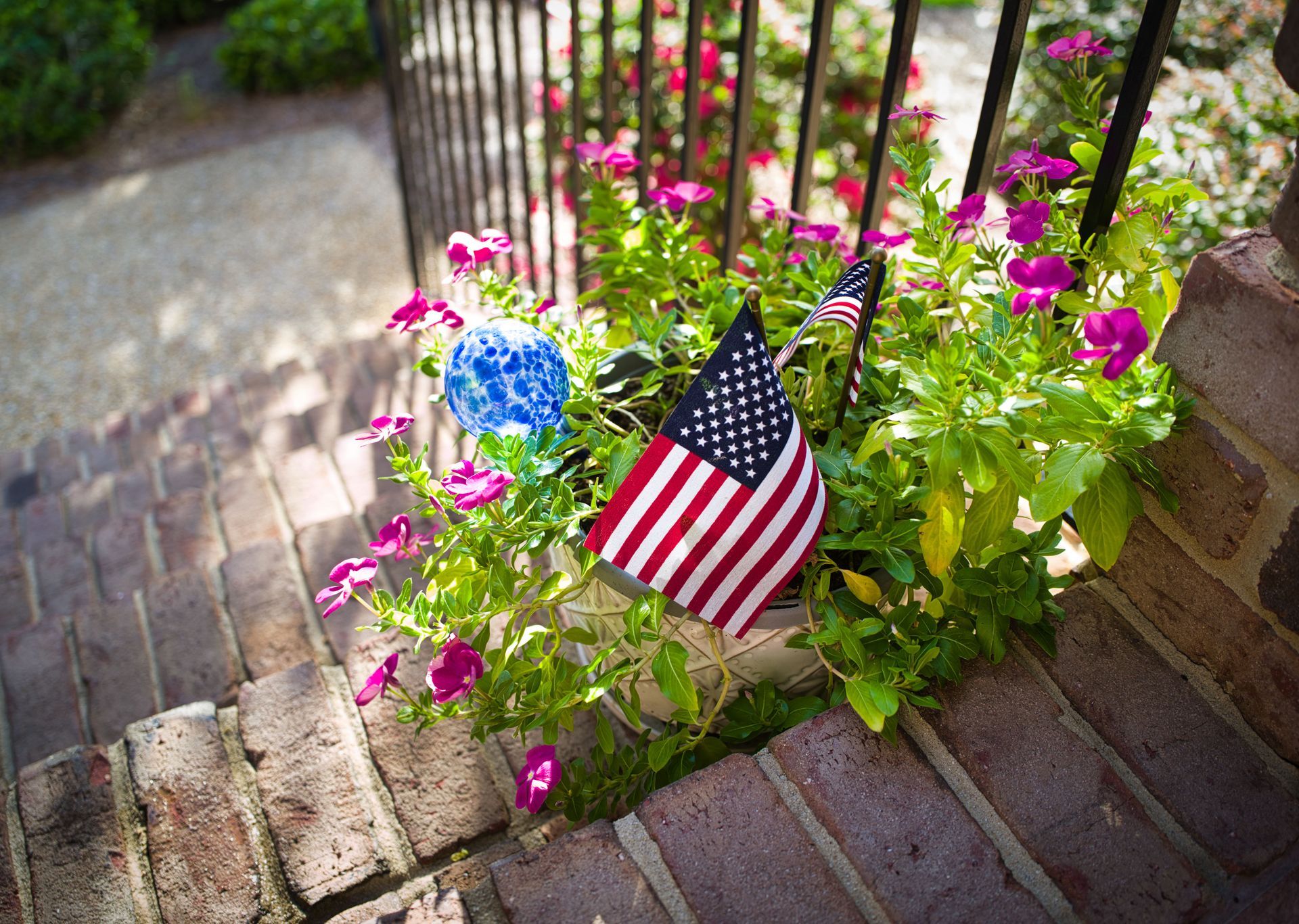
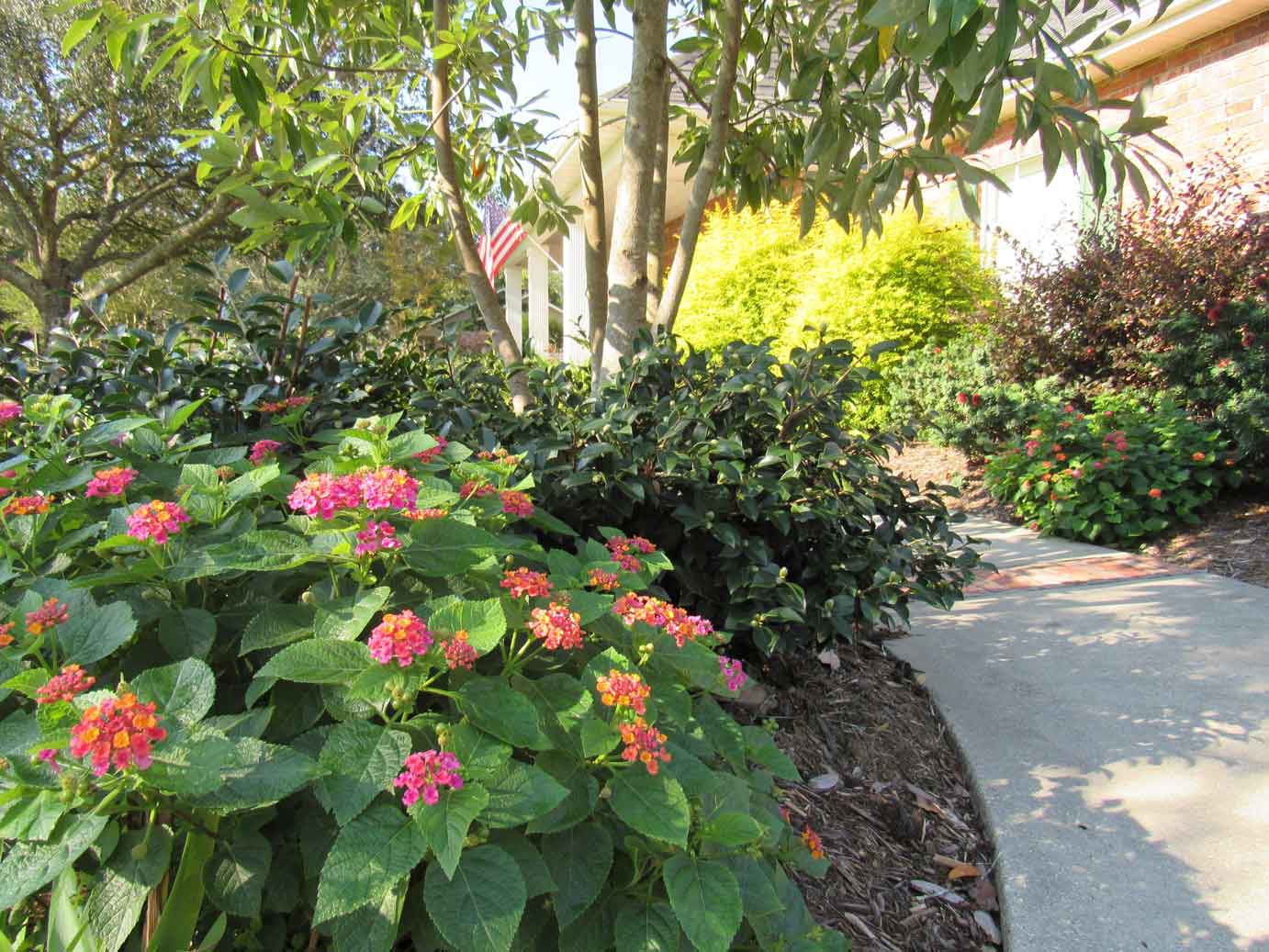
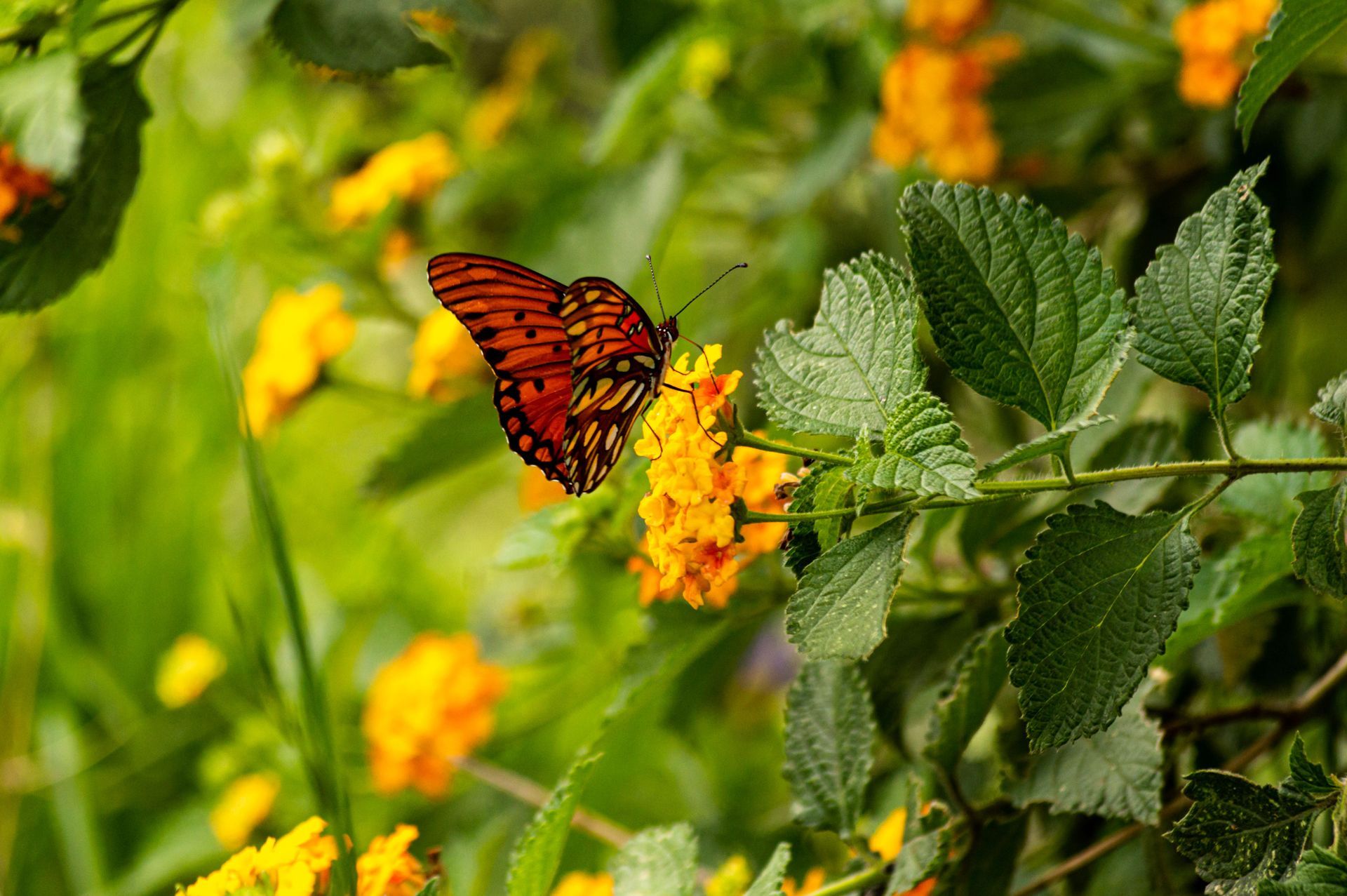
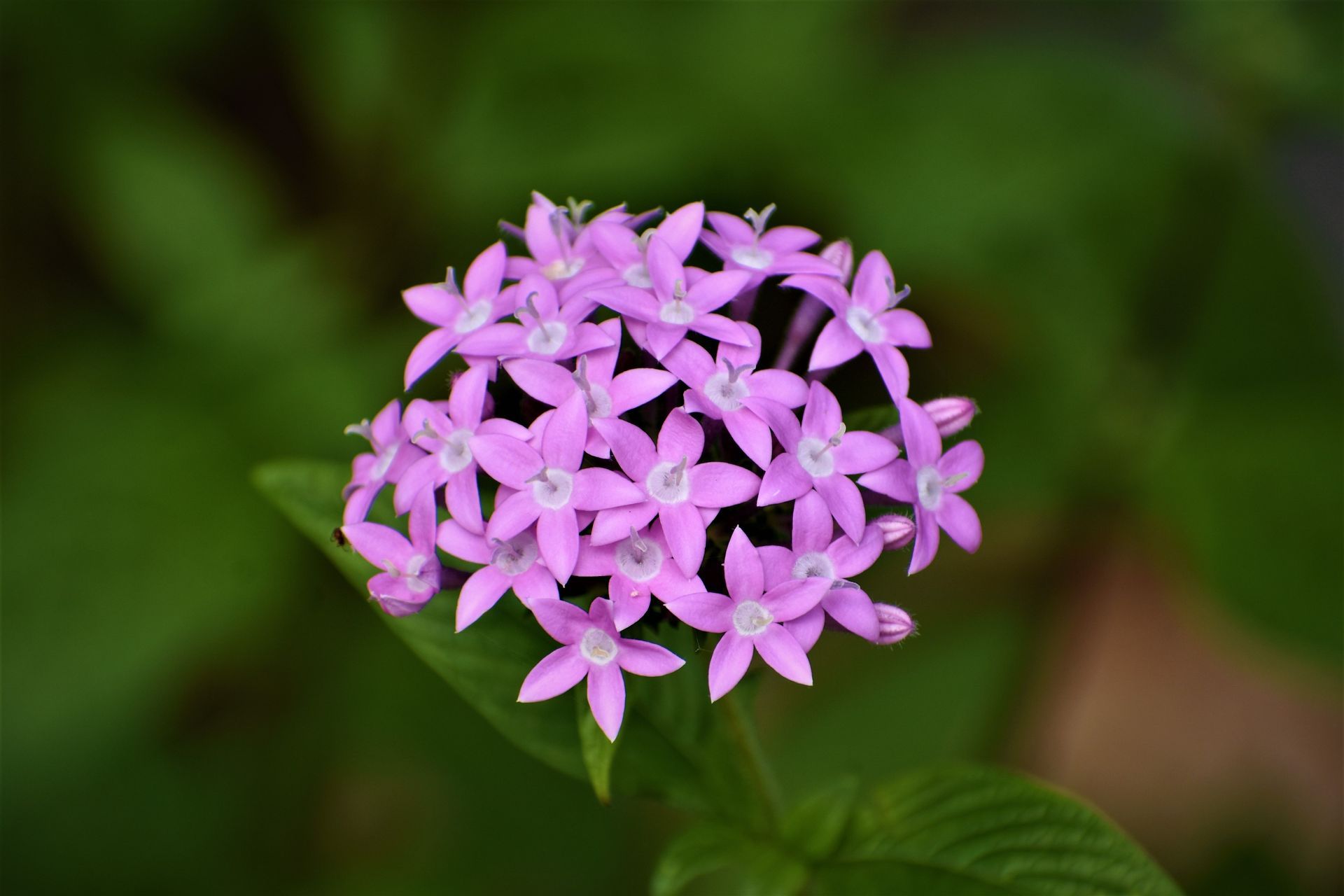
It’s not too late to add colorful bedding plants to your landscape, but it’s important to choose plants that are able to thrive in the intense heat of a Louisiana summer. Summer bedding plants come in a variety of heights, textures and colors, and they are adapted to grow in everything from moist, shady areas to hot, dry, sunny locations. You can create cool, elegant color schemes with pastels, or an explosion of bright, vibrant colors full of excitement with more vivid colors. Summer plants can be used in flower beds, mixed borders, containers and hanging baskets to provide the color you crave wherever you want it. Check out the following plants and many other delightful choices for summer color here! Angelonia are among the most reliable and heat-tolerant plants for sunny, well-drained locations. Create a patriotic garden: Plant white Angelonia! Blue Daze is a low-growing, shrubby bedding plant that loves summer heat and sun. Neither insects nor diseases bother this plant, whose grayish foliage and clear, blue flowers add a cool note to the garden. The flowers tend to close up in the afternoon during the intense heat of midsummer, but the plants stay neat, attractive and free from pests from the time you plant them until the first freeze. Create a patriotic garden: Plant blue Blue Daze! Pentas stay in constant bloom all summer and into fall, with flowers in shades of white, pink, rose, lavender and red. They are absolutely care free other than trimming occasionally, and they are simply irresistible to butterflies. Create a patriotic garden: Plant red Pentas! The common Lantana or ham and eggs (Lantana camara) has been refined into a number of garden varieties that are among the best plants for summer color. Few plants combine constant flowering, heat tolerance and ease of care as well as lantana does. Lantanas are irresistible to butterflies and are an important plant to include in flower gardens planted with these delightful insects in mind. The Bandana lantanas are Louisiana Super Plant selections that are especially compact and floriferous. The narrow-leaf Zinnia (Zinnia angustifolia) is usually a brilliant, in-your-face orange. But it also comes in yellow and creamy white and loves hot, sunny areas. It is low-growing, is constantly covered with flowers and looks particularly nice cascading over the edge of raised planters. Also look for the excellent Profusion zinnias and Zahara zinnias in many colors. They are especially disease resistant. A versatile and reliable plant that does well in part shade to shade is the wishbone flower, Torenia . This annual plant provides a tremendous display of blue, purple, lavender, rose, pink or white flowers over an extended period. The Louisiana Super Plant selection Kauai series torenias are outstanding. They make ball-shaped plants under a foot tall and come in a variety of beautiful colors. Along with torenias, Begonias are also a great choice for shade. BabyWing begonia is a Louisiana Super Plant selection that is vigorous and blooms prolifically. Coleus, caladium and impatiens are additional plants that provide abundant color in partly shaded conditions. Don’t let the heat of July and August do your garden in. Choose your plants carefully, and watch your garden thrive despite the weather. Look for these other great heat-tolerant plants for colorful summer flower beds here: Low-growing (less than 2 feet tall) – Mexican heather, ornamental peppers, ornamental sweet potato, coleus, impatiens, periwinkle, dwarf cosmos, wax begonia, dwarf pentas, dwarf globe amaranth, Victoria salvia, marigold, portulaca, blue daze, perennial verbena, purslane, abelmoschus, narrow-leaf zinnia, wishbone flower, caladium, balsam, gaillardia, celosia, lantana, scaevola. Taller-growing (over 2 feet tall) – butterfly weed, rudbeckia, angelonia, shrimp plant, cleome, Fireworks gomphrena, melampodium, four o'clock, cosmos, hardy hibiscus (mallow), sunflower, salvias, cigar flower, Mexican sunflower (tithonia). Please note All Seasons may or may not have these in stock. Please contact us to confirm their availability! You can call us at 337.264.1418 or contact us here. Article by LSU Ag Center. Visit online here!
Summer Annuals for Sun and Shade
May 11, 2026
These plants will grow, bloom and perform throughout the summer and fall until it's time again for the cool weather annuals. Here are the most popular, top performing heat loving annuals for our area: Sun loving summer annuals include: Vinca – Heat and drought tolerant, and offering continual without deadheading, these are a staple summer flowering plant. Vinca do not like cool weather or too much moisture, so be sure to place them in an area that will be well-drained. Zinnia – Zinnias are great plants for butterfly gardeners. They really bring in loads of the hovering beauties into the back yard. Zinnias do require some deadheading to promote rebloom, and the lower foliage in summer can get tired, so use these in the middle or back of a flowerbed. Angelonia – These are sometimes called Summer Snapdragons. Their tall, spiky blooms are surely reminiscent of cool-season snapdragon flowers. Angelonia are heat and disease resistant. The Serena varieties are an LSU Super Plant. Lantana – Like several on this list, Lantana are especially popular with butterfly enthusiasts. Lantana grow in very challenging, poor soils with plenty of sun. Too much shade or too much nitrogen fertilizer may result in of an abundance of leaves but few blooms. Put this one out by the mailbox where you might not always get to it with the hose, and it will appreciate the neglect. Penta – Pentas are my all-time favorite problem-free annual. Heat and drought tolerant, bug and disease-proof, Pentas are not especially fussy about sun or soil, either. They give good rebloom without deadheading, and they are another great nectar plant for pollinators. Strap Leaf Caladiums – Many know caladiums as a great source of color for shady areas, but did you know that several varieties can take full sun? These bold foliage plants always look good, because they do not depend on flowering to look good. See a sales associate to find out how to pick out the varieties that take sun. Sun Coleus – Just like caladiums for sun, many new coleus varieties are true sun-lovers. This is another plant that is always a stunner in the garden, because they get their visual appeal from the leaves, not flowers. Keep coleus well-watered until fully established, and they will be very tough and durable plants after they have spread their roots. Salvia – Annual and perennial salvias alike are true staples of the summer garden. Many get a second wave of heavy blooming from late summer into fall, when more sensitive garden plants are slowing down. Salvias attract another favorite garden visitor – hummingbirds! Bronze Leaf Begonia – Tropical, heat-loving, and drought tolerant, begonias are great garden plants. Did you know that bronze-leaved varieties take full sun? They are very water-wise, and handle drought well, but cannot handle wet soils. Plant them in well-drained beds. Purslane / Portulaca – These two succulent summer annuals are different plants, but their care is very similar. These plants like LOTS of sun and VERY little water. Good to plant in sandy or rocky soils, or great in pots, especially those that don’t get watered often. These plants can survive, and in fact bloom and be healthy, with several weeks without water. Shade loving summer annuals include: Impatiens – Impatiens are a great plant in partly sunny to shady locations that get plenty of moisture. Many folks are opting for the newer New guinea Impatiens for their improved vigor and resistance to fungus. Caladiums – While some types of Caladiums have been proven to endure some sun, all Caladiums do very well in shade. Bold, tropical leaves, in tones of red, pink, white, and green, brighten up the shadiest corners with an uninterrupted show until fall. If plants flower, blooms should be pinched off so the plant can produce more beautiful leaves. Green Leaf Begonia – While impatiens are moisture lovers, begonias can do dry shade very well. The clean green leaves are not fazed by heat, and they plants bloom continuously without additional fertilizer or deadheading. In the right spot, begonias sometimes survive the winter and come back year after year! Torenia – Torenia is also known as wishbone flower. It is a dainty and compact plant, but it puts out loads of blooms even in shade, and it does not slow down with the heat. There are upright and trailing types, but both stay in place well, and do not become lanky or messy. They also do very well in hanging baskets! Shade Coleus – Traditionally, Coleus have been shade plants, and they continue to be one of the most exciting plants to use in less sunny areas of the flower bed. The amount of color choices and leaf types is incredible! There is truly a coleus out there to please everyone. Potato Vine – Potato vine is a plant that can grow well in very challenging conditions. Since the root is a giant tuber, they do not need loads of organic material to put out good growth. I especially like to use it among the roots of large shade trees as a ground cover. The lime green varieties look especially bright and cheerful in shady areas. Lysimachia – Creeping Jenny and its relatives are going to really shine in shady areas, but can take some good sun, too. They make bright, carefree groundcovers, and look especially good in hanging baskets. Creeping Jenny can brighten any planter combo with its vigorous, chartreuse shoots of perfect rounded foliage. Within these categories there are different series and within each series there are different varieties to choose from. When replacing your annuals you should add some fresh soil and a slow release fertilizer. Remember to properly water your annuals until they are established and growing! Please note All Seasons may or may not have these in stock. Please contact us to confirm their availability! You can call us at 337.264.1418 or contact us here.
Graduation
May 8, 2026
Graduation season is one of our favorite times of year — the yard fills with family, the porch becomes a gathering spot, and the whole neighborhood seems to glow with celebration. If you’re hosting a graduation party this spring, here’s your go‑to checklist to get your outdoor space party‑ready, South Louisiana style. Yard Prep Checklist 1. Fresh mulch refresh A new layer of mulch instantly brightens beds and helps plants handle the early‑summer heat. 2. Pressure‑wash touch‑ups Sidewalks, patios, and porches look brand‑new after a quick wash — especially important with all the photos guests will be taking. 3. Colorful bedding plants Zinnias, vinca, lantana, pentas, and coleus thrive in our climate and add instant celebration energy. 4. Mosquito control plan Citronella, lemongrass, and mosquito‑repelling patio candles keep guests comfortable long after sunset. 5. Shade + seating zones Pop‑up canopies, umbrellas, and clusters of chairs help guests spread out and stay cool. 6. Outdoor lighting glow‑up String lights, lanterns, and solar stakes make your yard feel magical once the sun goes down. 7. Plant clean‑up + shaping A quick trim around walkways and porches makes the whole yard look polished for photos. Garden‑Inspired Graduation Gift Ideas 1. Potted citrus trees Perfect for grads moving into apartments or dorms with balconies. 2. Low‑maintenance houseplants Snake plants, pothos, and ZZ plants survive even the busiest freshman schedule. 3. Custom garden gift baskets Think: gloves, tools, seeds, and a gift card to your garden center. 4. Outdoor décor for their next chapter Wind chimes, porch flags, or a small patio set for their first home away from home. A graduation party is really a celebration of growth — which makes the garden the perfect place to host it. With a little prep, your yard can become the backdrop for memories your grad will never forget.
Tree and Shrub Drench
April 24, 2026
The Tree & Shrub Drench by Fertilome is a “Must Do” product for your trees and shrub in Spring! All your plants need is a once a year application to prevent things like insect infestations and Crape Myrtle Bark Scale. This is ideal for trees and shrubs such as Magnolias, Hollies, Azaleas, Oaks, Roses and More! What is Crape Myrtle Bark Scale? It’s due to a recent (2024) invasive insect from Asia that is small and white or gray. They appear to only be affecting Crape Myrtles at this time, but in their native area, they affect a number of other plants. The Scale is a bark or felt scale due to the waxy coating on the insects. They will be found on the stems, large twigs, and trunks but rarely on the foliage. How do you know if your Crape Myrtle is under attack? One of the first signs is the black sooty mold that is present from the large amounts of honeydew produced by these insects. Control can be difficult and can require multiple applications to ensure successes. If the infestation is severe, it may take multiple applications for multiple years. If you already have the issue, we recommend using Hi-Yield Dormant Spray during the tree’s dormant season. This has been found to be the most effective. Spray all the trunks and branches very thoroughly and the oil will suffocate the insects. Next, spray when the insects are out. For this, we recommend using Horticultural Oil or Broad Spectrum Insecticide- both of which have shown to be effective. Spray then repeat at least once 10-14 days later. The shells from the insect will remain on your plant, so scrape them off on a white sheet of paper then crush them to ensure they are dead. The easiest application to do, however, is the preventative Tree & Shrub Drench by Fertilome. Again, you only have to apply this once a year, and it’s worth the prevention!  To apply, simply mix it in a bucket and pour around the base of the plant.
May Gardening To Do List
April 22, 2026
It's time to change out tired, cool-season annuals with heat-loving summer annuals such as: Angelonia, pentas, portulaca, vinca & much more. Planting tropical sun lovers like hibiscus is ideal now, too. To encourage more rapid re-blooming, pinch off old flowers on bedding plants after their first flower cycle is complete. MAY TO DO LIST: -Plant warm-season bedding plants. Vinca can now be planted for best results! Don’t know which warm-season bedding plants will be best for your area? Come visit us for a wide selection and knowledge to be successful! -To encourage more rapid re-blooming, pinch off old flowers on bedding plants. -It’s a great time to plant a crape myrtle tree for great summer flowering. -Prune & feed azaleas & camellias once their blooming has finished. -Sow seeds for heat-loving annuals and watch them begin to grow! This is a fun kid project, too, once school is out. -Now is the time to plant all kinds of summer-loving vegetables. -Prune & shape all winter-flowering shrubs and vines. -Mulch all garden beds well to help regulate soil temperature, retain moisture, and keep weeds at bay. An excellent mulch to try, in addition to Grade ‘A’ Cypress or Cedar, is pine straw. To effectively suppress weeds, apply mulch 2 inches thick. -When in the garden, wear a wide brim hat and apply sunscreen. -Plants you had indoors for cool weather can now reside outside. -Place houseplant containers in an area that receives bright shade- not direct sun. -Don't forget to fill bird feeders with seed! -Watch for insect problems on roses. Aphids may develop on tender new growth, thrips on flowers and cucumber beetles on foliage. Let us know and we'll set you up with the proper treatment. -After spring bulbs finish flowering, wait until the foliage turns yellow before cutting it off. This is because food is being manufactured and stored for next year’s blooms.
Hibiscus and Bougainvillea
April 22, 2026
We all love the tropics- the bright colors and inviting tones! Bring that feeling into your garden with two of the best-looking tropical bloomers! Bougainvilleas enjoy to be “root-bound”, meaning they are an excellent choice for a container or hanging basket! They flower the heaviest when the roots are slightly crowded in the container. If they are planted in the ground, you’ll notice they tend to stay more green. If you have some from last year and want to encourage it to bloom, a simple tip is to “tip prune” off about ½ inch of the stem tips. This encourages more branching and ultimately more flowers! Another fact about Bougainvilleas is they flower the heaviest when they are water-stressed. This may not make much sense to you because we like to care for our plants and give them drinks often. However, there are some plants, like these, that enjoy being more drought-tolerant. Think of them like a desert plant: they are under water-stress, then water pours into them and BOOM- they bloom! Withhold water for extended periods to force the plant into bloom. Our advice would be to wait until you see the leaves slightly wilting. At that point, it’s ready to receive a thorough watering session so it can perform for you! Hibiscus bloom on new wood, so it’s always important to “tip prune” them back. Also, pinch off old flower buds to help the plant perform best with less “baggage.” Pests like aphids and white flies effect their blooms as well, so preventive measures work best. We can help provide you details. One of the most common questions we get from concerned customers is that their Hibiscus’ leaves are yellow. Yellowing leaves is an indication of overwatering or underwatering. In the summer, it’s usually underwatering. Just like us, plants need lots of water in the hot summer months. We have a homemade superbloom tonic when you want to kick-start your Bougainvillea and/or Hibiscus to bloom: 1 gallon of water 2 tablespoons of Fertilome all-purpose plant food 2 tablespoons of Fertilome Blooming & Rooting 2 tablespoons of Epom Salt Fertilize with this mixture every other week for results! When your Bougainvillea and/or Hibiscus are already blooming, and you want the blooms to continue, our recommendation is to maintain a slow-release fertilizer schedule, every 3 months during their growing season. Our best slow-release fertilizers formulated for these specific plants are HibisGain and BouGain.  As always, we want to help you know it to be able to grow it! We are always here to provide the education and products to ensure gardening success and a green thumb you can be proud of! Please come visit us to DIG IT!
Gardenia
April 22, 2026
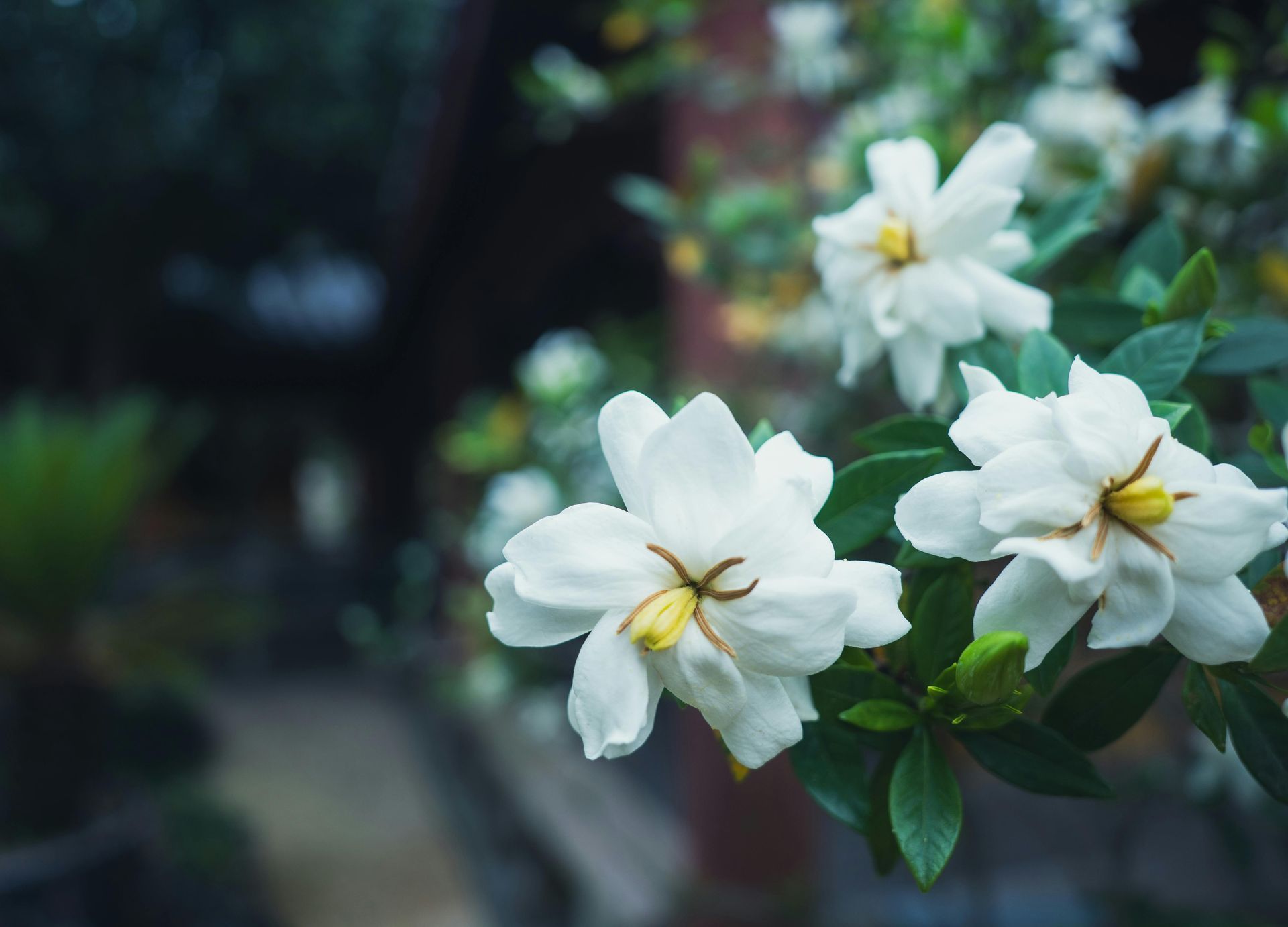
If you love the beauty of a garden as well as sweet-smelling flowers and plants to give both your eyes and nose a Springtime delight, then check out these “nose”worthy specimens! Gardenia: Gardenias are one of the most iconic sweet smelling shrubs around, and we are lucky that they do so well in our climate. Their smell is often bottled for perfumes or added to extracts in soaps and lotions. Planting these at an entrance or around your outdoor entertaining area is sure to have your guests breathing in a deep breath to savoy the smell. Butterfly Bush, Buddleia: While there are many different varieties of Butterfly Bush with colors ranging from white to purple, pink, blue or even yellow, two things they all have in common are their honey-like fragrance and being a magnet to butterflies. In fact they are so rich in nectar, they are highly attractive to other beneficial insects and pollinators like bees, moths and hummingbirds, too. They are flowering shrubs that produce distinctive flowers starting in spring and lasting into fall. Scented Geranium (Pelargonium Citronella): This perennial that we’ve also nicknamed “Mosquito Plant/Shocker” has a strong citronella scent we find pleasant, but mosquitos hate. This is an ideal plant to banish the bug (mosquitoes), which is why we recommend planting this in your entertaining area, such as in container gardens. It’s also a great plant to crush the leaves and rub them on your skin while outdoors; offer some leaves to your company as a fun “party trick!” As a bonus, it blooms clusters of lavender-pink flowers adorned with deep crimson brush marks on the tops of their petals. Rosemary: Rosemary is an attractive perennial shrub with fragrant leaves. It’s also a popular culinary herb with a wonderful aroma and piney taste, which goes well with chicken, steak, pastas potatoes, or soups. In liquid form, its scent is enjoyed in soaps, diffusers and more! Rosemary also blooms small, sweet blue flowers. Skinner’s Banana Shrub: Is this a banana tree? Nope, it’s a magnolia, but its blooms smell just like bananas! It’s a worthwhile broadleaf evergreen shrub reaching heights of 10ft in full sun. The spring time flowers are small, cup-shaped and cream in color with a pleasing banana scent! This is a perfect plant for a border or screen hedge! Citrus Trees: Before you can pluck an orange or other citrus for your snack, the tree becomes covered in blooms! These blooms are white, fragrant sweet-smelling flowers with the buzz of pollinators in the air nearby! Society Garlic: These spring-blooming perennials produce stalks of star-shaped purple flowers. The plant gets its name from not only looking like garlic/chives, but smelling like garlic. However, it’s not garlic and is ornamental only, meaning to be enjoyed by your eyes and nose and not your taste buds! It’s a great plant for a full sun flower bed or container since it only reaches about a foot tall and wide. Plus, the garlic smell adds a twist of garden delight! Specialty Roses: “Take Time to Stop and Smell the Roses” is an idiom that means to relax and take time out to enjoy and appreciate the beauty of life. But, it’s also literal because the Specialty Roses smell absolutely heavenly. Planting a rose garden is a beautiful way to share the love of gardening with the love of beautiful blooms, beautiful scents and flowers worthy of being in a vase for interior enjoyment. Lavender: Lovely lavender adds a relaxing vibe and aroma to a garden or container. Lavender grows 1-3’ tall and has those long airy spikes with soft blue-violet flowers quintessential with the Mediterranean. The oils in the flowers are what give this herb its distinctive fragrance. When inhaled, lavender has calming properties that reduce anxiety, as well as being a gentle sedative for sleep. Its name derives from the Latin root “lavare,” which means “to wash,” because it was used in baths to purify the body and spirit. Magnolia: Plant Louisiana’s state flower as a show of culture as well as to enjoy the fragrant (and large) white flowers of this “famous face.” This evergreen tree is low maintenance and adaptable, not to mention making a strong southern statement. The blooms begin to burst open in spring & summer unleashing the sweet aroma of its flower. Don’t want a 40’+ tree in your front yard? The Little Gems, reaching only 12-14’ tall, offer a great alternative. Confederate Jasmine: These are some vines that really shine…or should we say “smell?!” Planting Confederate Jasmine along a fence, on a trellis, arbor or even a mailbox, adds a beautiful look and a strong sweet smell. This evergreen climber is known for its fragrant white star-shaped blooms, which will be more prolific when planted in full sun. Please note All Seasons may or may not have these in stock. Please contact us to confirm their availability! You can call us at 337.264.1418 or contact us here.