Fall Back to Basics
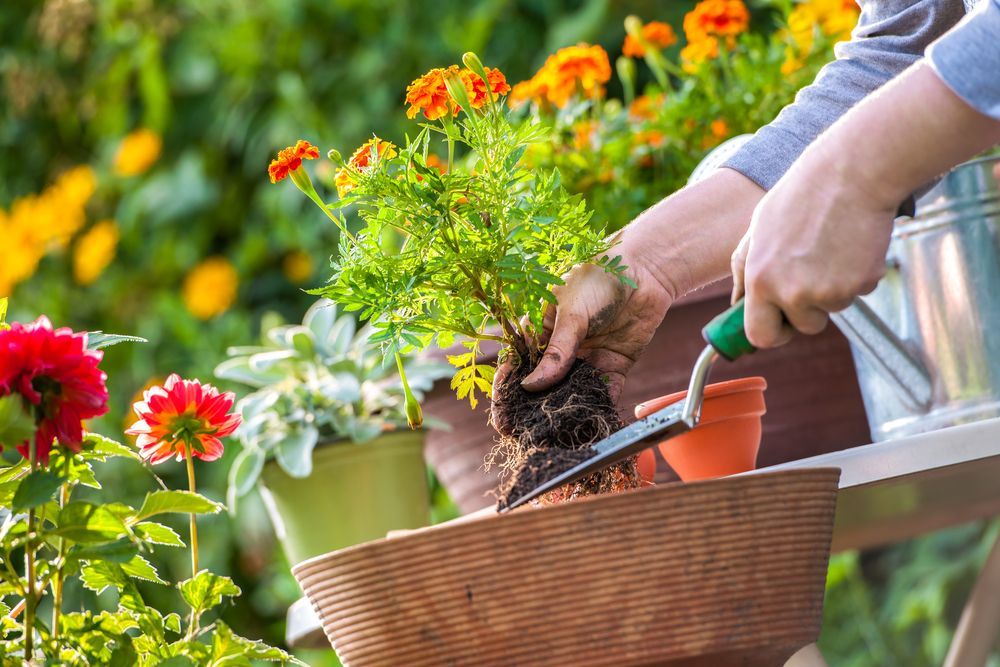
Fall is upon us, so it's time to add those new plants to your landscape!
You may think spring is the best time of the year for planting, but it is NOW!
By planting in the fall, it takes advantage of the amazing opportunity to get plants established. The first priority after planting is root growth. This occurs best during the fall and winters in Louisiana when shoots and flowers grow slowly.
In Louisiana, trees can be planted until the second week in January. There are several excellent LSU Ag Center recommendations, Louisiana Super Plants, like Shoal Creek vitex, sweetbay magnolia, willow oak & southern sugar maple. These are some of our favorites, too!
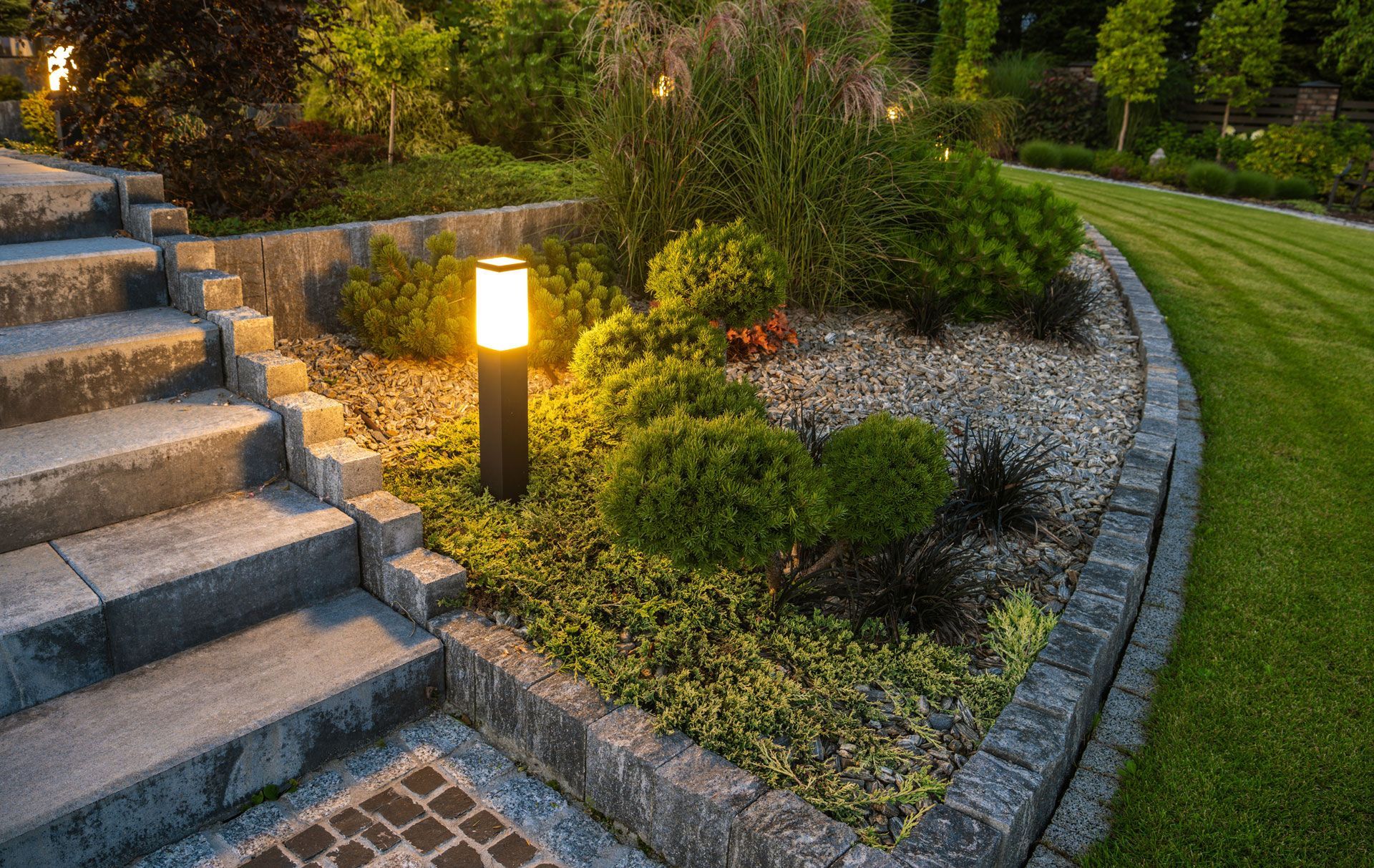
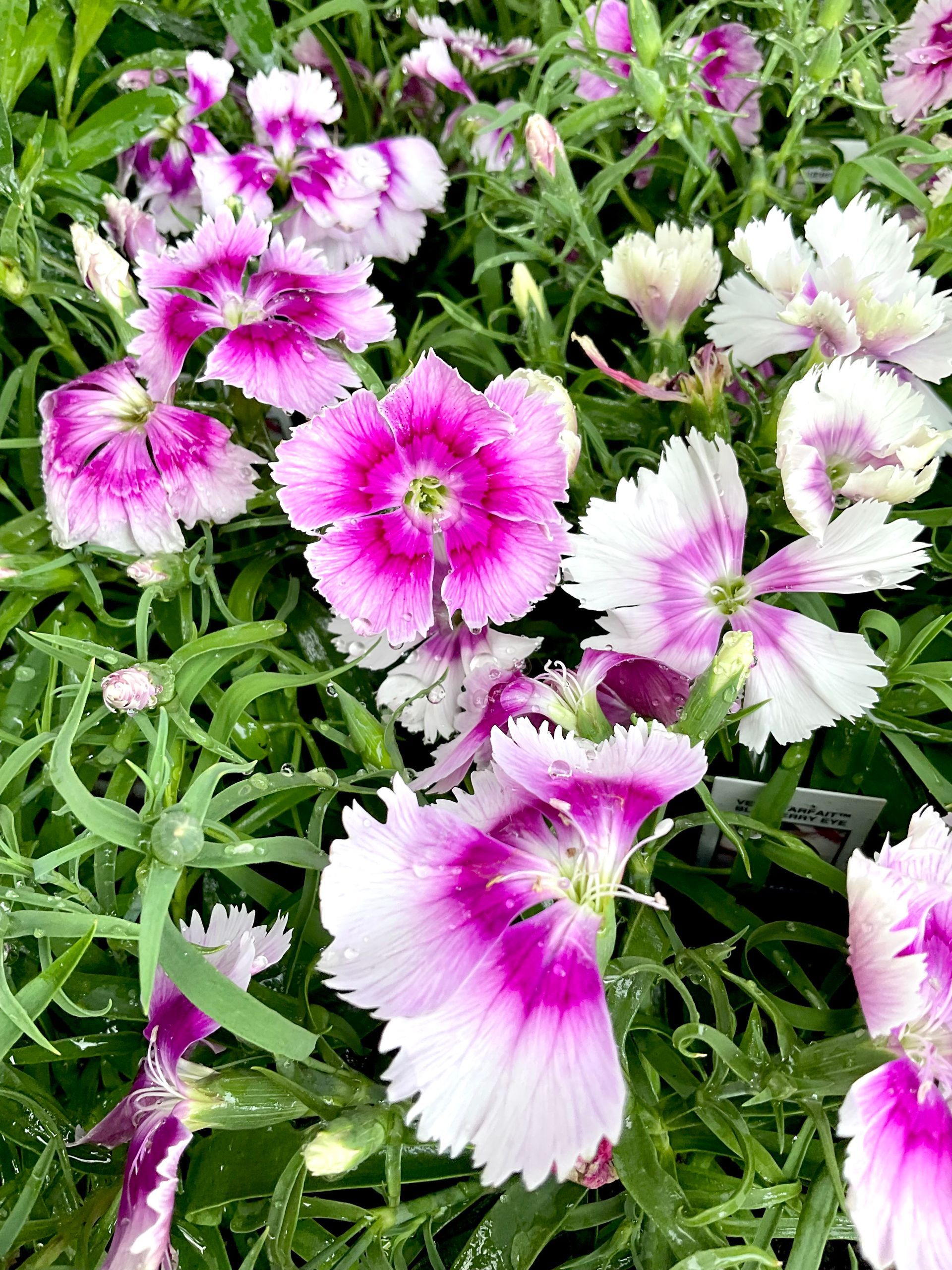
Shrubs, roses and flowering perennials also do great when planted now. Shrubs are the "bones" of a landscape. There are many selections to plant now, and by following proper planting procedures and care will lead to success. Popular shrubs for our area are: azaleas; camellias; hydrangeas; Indian hawthorns; loropetalums; viburnum; cleyera; gardenia; and more!
A well planned landscape most often contains both deciduous and evergreen plants. Using both types help to accent seasonal changes. A landscape can be refreshed by using a variety of plants! Contrast with texture and color.
From the ground up:
Soil preparation for fall planting
· When planting in containers, choose a good quality potting soil or container mix. Some may have a slow release fertilizer in them.
· When planting in established beds, refresh soil with compost, bed builder, soil conditioner, etc.
· When starting new flower beds or vegetable beds, start with bed builder, add compost, peat moss, and slow release fertilizers like manure, bone & blood meal, cottonseed meal, kelp meal or Osmocote.
· When planting single trees or shrubs, mix soil taken from the planting hole and mix in compost. Plant tree/shrub on a mound; use soil/compost underneath the root ball and around it. Mulch well.
· Always mulch your plants well. It will help with moister retention, soil temperature fluctuations (keeps soil temperatures cooler in summer/warmer in winter) and controls weeds.
Caring for plants in the fall
· Insect and disease problems are minimal in fall and winter.
· A few things to watch for are: Cabbage worms on fall veggies; scale insects on hollies, camellias and citrus trees.
· On vegetables use bacillus thuringiensis or spinosad.
· Scale insects can be controlled with horticultural oil sprays.
Some favorite plants for fall
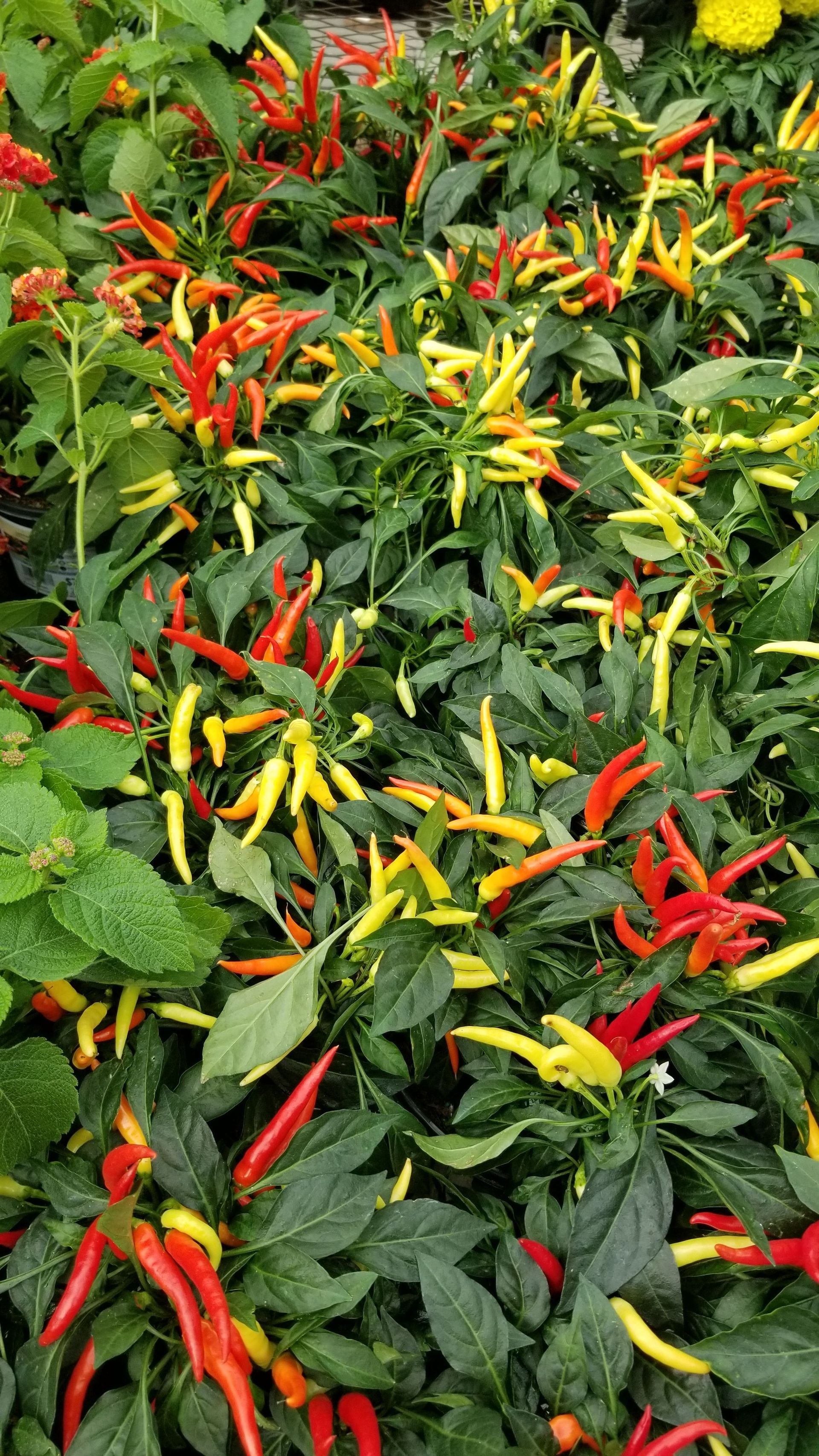
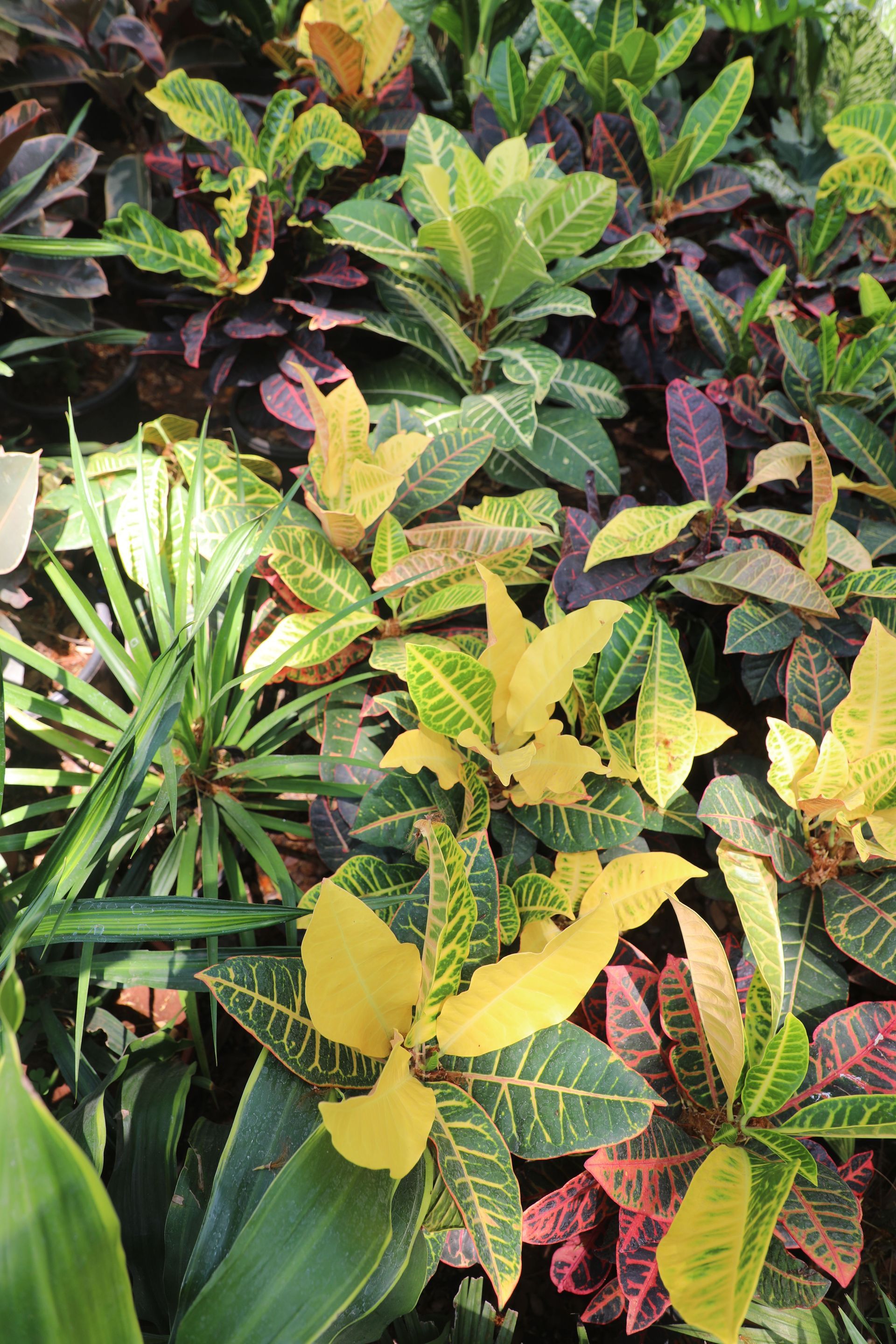
· Early fall color: crotons; mums; ornamental peppers; ornamental cabbage & kale; marigolds; petunias; Swiss chard; red mustard; lobelia; calendulas; gaillardia
· Fall & winter color: pansies; violas; snapdragons; petunias; alyssum; calendulus ; leaf plants like ornamental cabbage & kale; colorful lettuces; chard
· Perennial color for fall: perennial salvias; hamelia (Fire bush); gaillardia; buddleia; firespike; lantana; rudbeckia
· Fall & winter vegetables: cabbage; broccoli; cauliflower; Brussel sprouts; radish; carrot; turnip; spinach; lettuce; beets; chard; arugula; endive; celery
· Cool season herbs: parsley; cilantro; dill; fennel; rosemary; thyme; mint; cutting celery
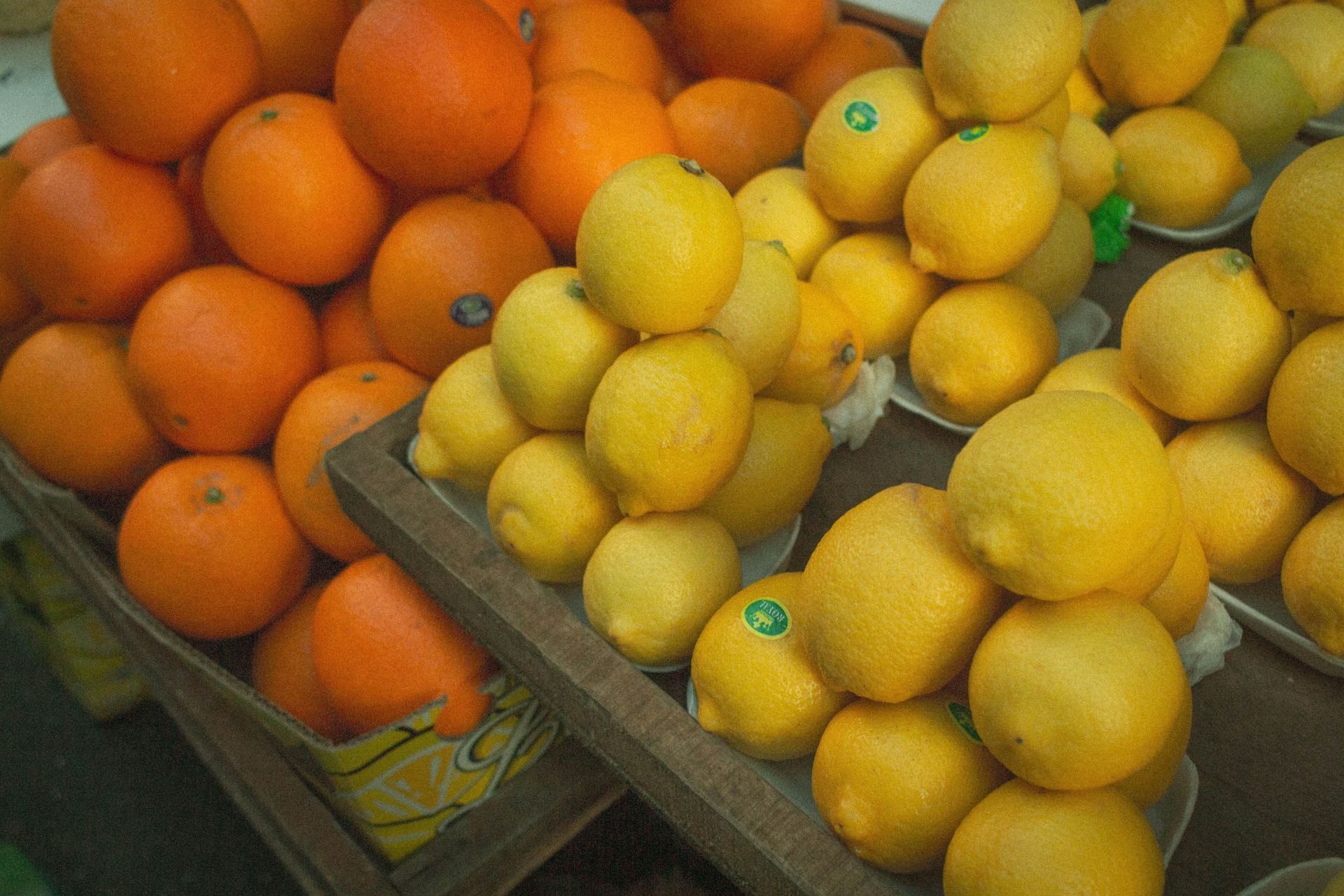
· Fruit trees/shrubs: apple; peach; pear; plum; fig; pomegranate; persimmon; mayhaw; blueberry; citrus
· Fruiting vines: grapes; muscadines; blackberry; raspberries
· Cold hardy trees/shrubs: maples; oaks; birch; holly; azalea; camellia, etc.
Did you know we offer FREE consultations & quotes for landscaping & landscaping maintenance? We want you to fall in love with a new landscape or your existing landscape cleaned up and ready for the seasons!