Fresh Fir Christmas Trees

October 27, 2025


Our fresh fir Christmas trees are HERE! The smell of our favorite season is in the air, and families can start making memories by selecting their tree by name! Yes, all of our Christmas trees are named! You can have “Mickey Mouse” or “Princess Elsa” in your living room all season! This year, All Seasons will offer Frasier and Noble Fir Fresh Christmas Trees! Frasier Christmas trees are native to the Appalachian mountains, and they are considered by many to be the perfect Christmas tree. They boast attractive 1'' needles that are silvery-green & soft to the touch, making them ideal for families with young children or pets who tend to handle their tree. Noble Christmas Trees are native to the Pacific Northwest, and boasts a "noble" deep bluish-

green color. These trees have sturdy, but flexible branches, and are symmetrical in shape. The long needles are four-sided and twist upward, leaving the lower surface of the branch exposed. It's also very aromatic for the season!


There are some factors to choosing a healthy tree. A straight trunk is great, but there is more to consider. There should be no damaged bark, cracks in the trunk, or oozing sap, as these will cause needles to become brittle more quickly. Needles should feel supple, somewhat waxy, and provide resistance against the hand. Those that are limp, dry, and easily bent may be ready to drop.


Freshly cut trees should be put in water as soon as possible. The trick is to get the tree into water within 30 minutes of the fresh cut. Don’t allow the basin to dry once it runs out of water because after 30 minutes of being dry, the tree will not take up any water. If a stand is not ready, set the trunk in a bucket, or put warm, damp towels over the base. Don’t put trees in direct sun – for those in a sunny window, a sheer curtain will help.


Tree preservatives contain wood softeners to help water reach the needles. Remember that a large tree can drink a gallon of water its first day. If it does not, give another fresh cut, or use hot water to soften the sap and add tree preservative to get water flowing.


We offer Christmas tree services to further enchant your holiday season!


Click here to contact us to inquire about Christmas tree services.


We offer the following services, and the price depends on the size tree you select:


-Delivery- We all love fresh Christmas trees, but we don’t all have a vehicle to bring it home ourselves. No worries. We offer delivery + set up.


Please note that delivery dates cannot be guaranteed.


-Snow Flocking- This service does something that nothing else can do: bring a “snow-filled” tree into your Louisiana living room! We flock your tree in either medium or heavy- depending on your preference. Your flocked tree will have its own custom-built stand, so you will not need to purchase that. After its flocked, it will require at least 24 hours to dry before being delivered. 


Trees that are flocked are
NOT WATERED! Do not water your flocked tree! The water is taken up from the trunk and will sluff off all the flocking.


-Lighting- Have your Christmas light up your life with us lighting your tree! Lights are LED, and are required to be purchased from us. We have white and colored lights available. How many boxes you will need depends on the size of the tree you select. The lights are a separate purchase from the lighting service.


We can combine any of these services to help you and your family celebrate the magic of Christmas with a fresh Christmas tree! 
holiday plants
December 12, 2025
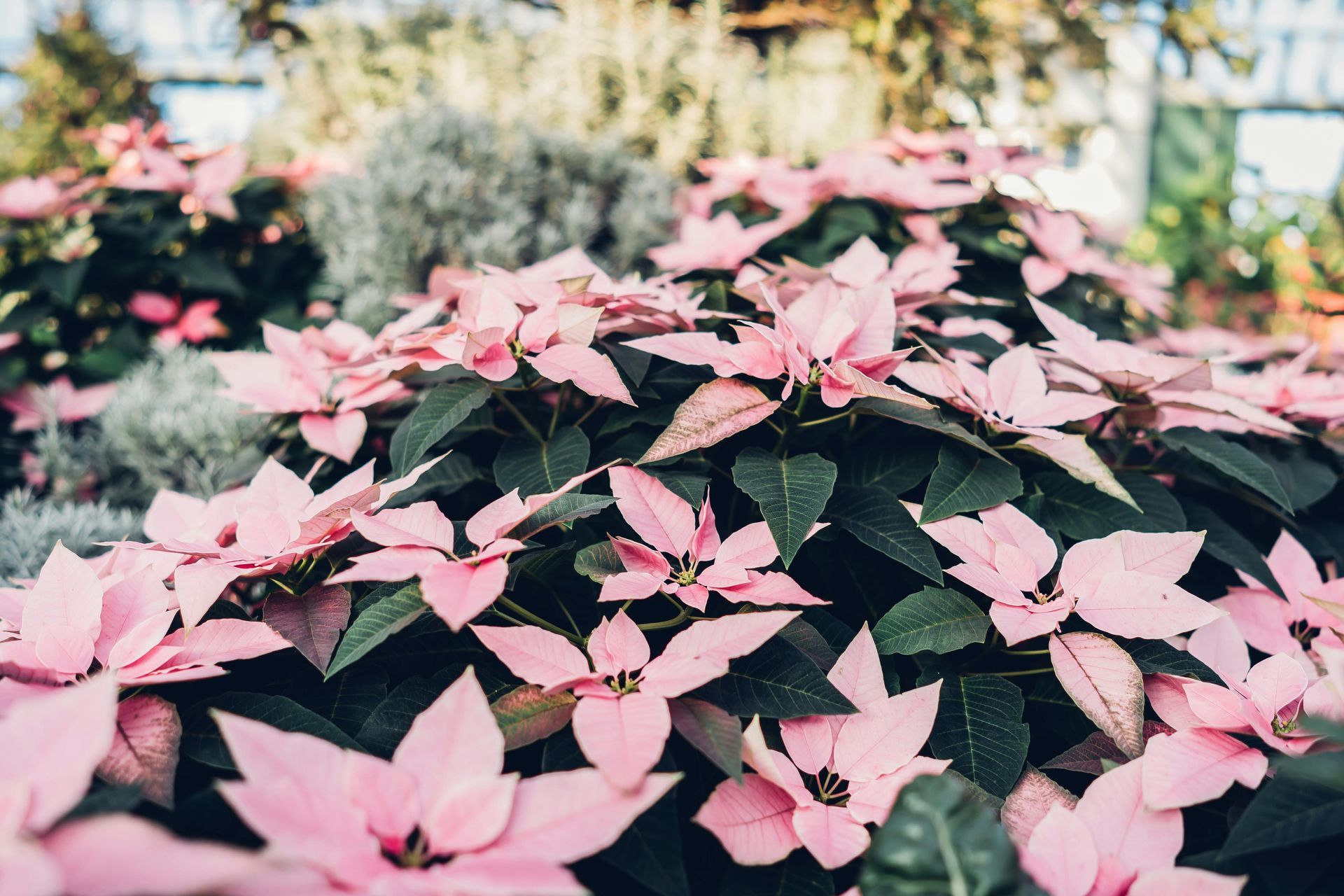
Several of our favorite holiday plants should be kept from children and pets, yet often they pose no serious danger in small amounts. There are many other and more toxic substances to children in homes to be mindful of, especially cosmetics, cleaning products, and personal care products. The poinsettia (Euphorbia pulcherrima), the most popular flowering potted plant for indoors, has gotten a bad rap for a number of years. It’s been falsely accused of being poisonous, yet no deaths from this plant have ever been recorded. In fact, research studies at Ohio State University have proven that poinsettias present no health hazard. The rumors arise from a highly questionable report of a single fatality in Hawaii more than 80 years ago, a child who reportedly died after eating one leaf. However, that doesn’t mean the poinsettia doesn’t have mildly toxic properties. If ingested by pets or humans, it can irritate the mouth and stomach, sometimes resulting in diarrhea or vomiting. The sap may cause a poison ivy-like blistering on contact with the skin on some persons unless washed off immediately. That’s why it’s important to place poinsettias, and other holiday plants, out of the reach of children and curious pets. Keep in mind that pets and people may differ in what plants are toxic, and to what degree. How safe are other holiday plants to humans? Here’s the rundown on some common plants which have toxic properties: Holly (Ilex): Branches are used during the holidays in arrangements for the shiny (but prickly) dark green leaves and berries. Eating the bright, red berries of this plant usually result in no toxicity in small quantities. Large quantities cause nausea, abdominal pain, or vomiting. Mistletoe (Phoradendron serotinum): This plant parasite of deciduous trees in the Southeastern states is used during the holidays for hanging above doorways, and for its white berries. While most exposures result in little or no toxicity, eating large amounts can cause acute stomach and intestinal disorders. These are caused by the chemical phoratoxin, related to ricin (the highly toxic compound from castor bean plants). Yew (Taxus): The leaves, seeds (not the red fleshy covering), bark, and twigs of this evergreen can be toxic from the chemical taxine, causing breathing difficulties, uncontrollable trembling, and vomiting. Most reported poisonings are from the seeds, and only result in mild symptoms. Allergic reactions may occur from nibbling on leaves. Yew is another example of the toxicity difference between people and some animals. It is toxic to people, pets, and livestock, but is devoured by deer. Azalea (Rhododendron): This holiday plant is mainly grown as a shrub outdoors with thousands of variants. The leaves can be toxic. Perhaps the first written account of rhododendron toxicity was from the 4th century in Greece, depicting the poisoning of ten thousand soldiers from a yellow shrub azalea. One study concluded that eating moderate amounts of azalea posed little danger to humans. Pets and children may be more seriously affected, so it should be kept from them. Cyclamen (Cyclamen persicum): Since the thickened roots (rhizomes) of these are the primary toxic part, containing saponins (similar to those in English ivy), it is unlikely humans (including children) would eat such and be affected, and then only if large quantities are ingested. Skin exposure to the plant sap may cause a skin rash in some people. Pets, especially those that like to dig in pots, should be kept away from cyclamen.  Amaryllis (Hippeastrum): The toxic part of this plant is the bulb, which contains lycorine and similar alkaloids. These are the compounds found also in daffodils, and the reason wild animals like deer know to leave them alone. House pets may not be so wise, so keep these away from them. Ingestion by humans is unlikely, with small amounts producing few or no symptoms.
Flavorful gatherings
December 5, 2025
Just because the weather outside is frightful doesn’t mean you have to give up on your green thumb. Many herbs do well indoors as long as they are given enough light. A bright kitchen window or sunny southern exposure will work just fine. Keep them lightly watered and trim often for vigorous growth. Rosemary Nothing says Christmas like that woodsy, piney, Christmas tree scent, and the herb Rosemary is an excellent substitute! From trailing forms to upright shrubs that can actually be pruned into a cone, like a fir or spruce, Rosemary has the look and smell we so love! Perfectly hardy and happy outdoors, it is still nice to bring one in for the holidays! Thyme Thyme is a low-growing savory herb from the Mediterranean, and they can benefit from being grown in a container indoors, especially during our wet winters. For an extra dash of class, try silver thyme, or gold-variegated lemon thyme, which is savory but also sweet and fruity! Sage Sage is a classic kitchen herb, but it goes dormant if left out in winter. Those who desire sage for winter cooking will probably have to grow it indoors. Variegated forms offer beautiful colors on their leaves, with the same wonderful flavor.  Parsley Parsley is a culinary favorite for all seasons, and it can be grown outdoors, or indoors in a sunny window in winter. Most food dishes are prepared with Italian flat parsley, but growing curly parsley can impart the same flavors while giving extra pizzazz, both on the windowsill and as a garnish for your favorite dishes. When applying fresh herbs to your recipes a good rule of thumb is 3/1. If your recipe calls for 1 tsp of dried thyme use 3 tsp of fresh.
December To Do List
November 21, 2025
It's time to select your Christmas tree! Here, we have your tree BY NAME! How about having "The Hulk" or "Minnie Mouse" in your living room? Always make sure your tree receives a fresh cut before taking it home. We do this for you! When selecting, cup your hand at the base of a branch and run up down the length of the branch. If the needles have a healthy green color, are soft and hold fast, the tree is fresh. Christmas trees need a stand. Make sure it is large enough to hold at least one gallon of water. Replenish the water as needed, never letting the water level drop below the bottom of the trunk. Add tree preservative to the water to help keep it fresh longer. DECEMBER TO DO LIST: -Plant cool-season annuals & vegetables -Lower lawn mower blades for cool-season lawns -Stop feeding St. Augustine lawns -Place a bird feeder in the garden since natural food sources may not be available as much for birds -Freshen up container gardens -Divide and replant all clumping perennials -Plant all kinds of hardy plants {trees, shrubs, perennials & vines} -Reduce water on deciduous fruit trees -As bulb foliage yellows and goes dormant, separate and replant for next season's bloom -Pansies and other cool-season annuals benefit from using blood meal when planted in order to keep the older foliage healthy. - Apply Turf & Ornamental Weed & Grass Stopper by Hi-Yield containing Dimension in flower beds to prevent cool weather weeds from growing. Try to apply right before a rainfall or deeply water in. -Apply fresh bed dressing (mulch, straw, etc.) to flowerbeds to help prevent winter weeds and to insulate the roots of landscape plants -Water landscape plants every 7-10 days or as needed - Do NOT prune landscape plants back yet, wait until mid-January to early February. Pruning back now may promote new growth. Tender vegetation is much more susceptible to cold damage, which may occur if we have a strong cold front in January. Also, remember not to prune azaleas until after they bloom in the spring.
Yuletide Camellia
November 21, 2025
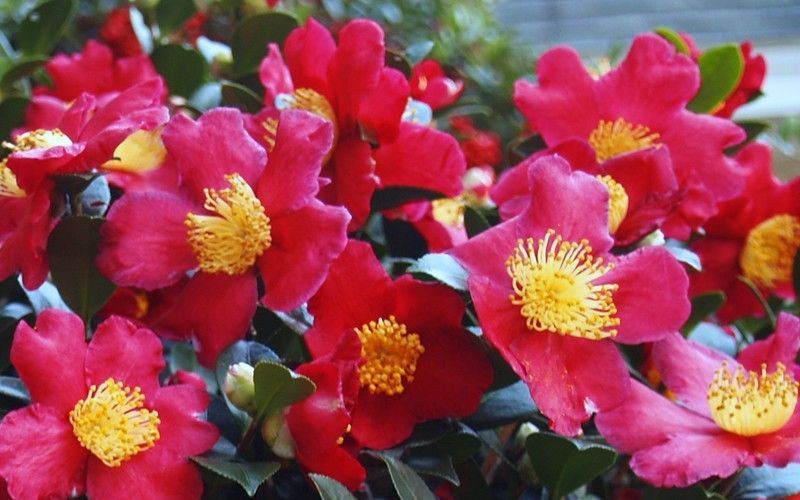
Camellias sasanquas are often dressed up for the holidays by blooming at this time of the year, which makes them ideal landscape shrubs in your landscape. This festive beauty, with the equally festive name, blooms throughout the holiday season with an abundance of large, ruffled, long-blooming, red flowers and a bright yellow center that shines like Rudolph’s nose! In addition to its striking holiday look, it has attractive, glossy, dark-green evergreen foliage. You will enjoy the blooms from the holiday season well into early Spring. To keep this camellia in “holiday spirits” all year long, provide rich, acidic, moist (but not standing water) and well-drained soil. They will reach 5 feet tall, and will spread about 6 feet wide. It does best in partial to full shade. Please note that it does not like direct afternoon sun, especially in our summer heat. This is a relatively low maintenance shrub, and should only be pruned after flowering to avoid removing any of the current season's flowers. We recommended the Yuletide Camellia for the following landscape applications: § Accent § Mass Planting § Hedges/Screening § General Garden Use § Container Planting If you’re planting it in a container, it would be an ideal “thriller” since it has an upright growth habit. Plant it near the center of the pot, surrounded by smaller plants and those that spill over the edges. It is even sizeable enough that it can be grown alone in a suitable container. Also note that when growing plants in outdoor containers and baskets, they may require more frequent waterings than they would in the yard or garden. Celebrate the Yuletide with a Yuletide! Click here to learn more about the Yuletide Camellia.
holiday houseplants
November 20, 2025
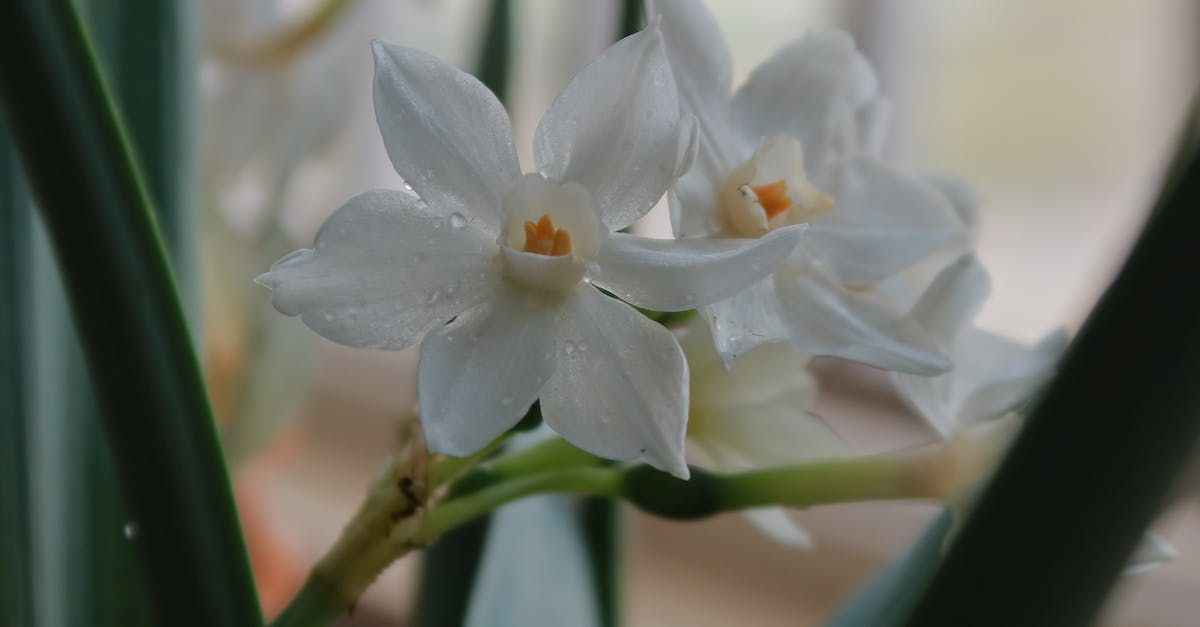
Decorate your home for the holidays with these colorful houseplant options. Poinsettia Loved for their big, bright, red blooms, these classic holiday plants are actually tropical plants, making poinsettias the perfect houseplant candidate year-round. If displayed outdoors, be sure to bring in on nights below 40 degrees! Click here to read more about Poinsettias. Click here to read more about Poinsettia Care through Winter + Beyond Amaryllis and Paperwhites (Narcissus) Amaryllis and Paperwhite bulbs bought from the nursery have been “forced” to bloom inside during the winter months and help create an exotic display when grouped together. When flowers fade in January, trim back the flowering stem and plant outdoors; they will bloom again in the spring! Click here to read more about Amaryllis. Alyssum Small, fragrant white flowers resemble a powder snow when planted in mass as a landscape border. Add in any holiday porch planter as fillers to bring a soft look to other holiday plants. The sweet smell will welcome your holiday company! Anthurium Anthurium is a tropical plant that shows off shiny, dark green foliage with flowers that can be red, yellow or green. They like light shade, and a warm and humid atmosphere, so misting is beneficial. Anthuriums offer a relatively long bloom time and easy rebloom, so they are much easier than many other flowering houseplants! Cyclamen Cyclamen is an essential part of the winter garden that can also be potted and kept indoors. Cyclamen are loved for their colorful blooms and dark green foliage that last throughout the winter. Cyclamen love cool weather outdoors, so when inside, they must be kept away from heater vents, and might like being set next to a cool window! Click here to read more about Cyclamen. Norfolk Island Pine You may recognize the Norfolk Island Pine as the small tree offered in many stores and garden centers around Christmastime, often covered in a layer of glitter. Be careful: this conifer is adapted to warm-weather, and will perish in cold climates. Bring in on nights that frost is expected! Fiddleleaf Fig The fiddleleaf fig tree has large, attractive leaves and can grow up to six feet or more. The tree thrives in humidity, so place it in a warm, sunny spot and run a humidifier in the winter months, or mist the leaves regularly if heaters are run high. Christmas Cactus The Christmas cactus is perfect for a tall pot or a hanging basket, which allows the long, bright green stems terminating in red, white, pink, purple or orange flowers to rain down in the fall and winter. Christmas cactus grown indoors year-round must be forced to bloom, as the indoor environment doesn’t provide the conditions necessary to trigger a bloom. Read or article about Christmas cactus to learn how to make them bloom! Click here to read more about Christmas Cactus.  Bromeliads Bromeliads are loved for their striking, colorful foliage. Keep these tropicals in a warm location that receives plenty of light for the best chance of blooming, but don't be disappointed if yours doesn't bloom, or only blooms once. Peperomia Peperomia are small houseplants with interesting foliage that varies depending on the variety. They love humidity, so water often and consider keeping in the bathroom. The perfect plant to give as a gift to the budding plant enthusiast in your family! Kalanchoe Kalanchoe is a thick-leaved succulent that naturally produce flowers in a variety of colors, most commonly red, pink, yellow and white. Kalanchoe blossfeldiana is one of the most widely available varieties. Keep your kalanchoe in a warm, sunny window and let the soil dry between waterings.
Christmas Clip Tips
November 19, 2025
Trees need to be placed in water with tree preserve within 30 minutes of receiving a fresh cut! On its first day in your living room, it can go through a gallon of water, so make sure to keep water in the stand! To avoid it drying out and becoming brittle, don’t place it around a fireplace or other heat source. Do not water snow flocked trees! Click here to watch our Clip Tip on Christmas Tree Tips! Ready for an easy and quick decorating tip? Use ball garland in your trees or wreaths! These unique garland strands are loaded with shiny baubles ready to trim your tree! All you have to do is wind the wire frame through your sections and voila- it looks a lot like Christmas! Click here to watch our Clip Tip on Decorating with Ball Garland! Deck your halls with fresh fir wreaths and garlands! When you first purchase them, soak them in a bathtub or large sink. Around the middle of the month, soak them again to keep them fresh, merry and bright! Anytime they look like they are dry, spray them with water or soak them for a quick re-fresh! Click here to watch our Clip Tip on Fresh Garland and Wreath Care! They’re the most memorable plants of the year: Poinsettias, Christmas Cactus, Cyclamen, Lemon Cypress, Holly, Norfolk Pines, Amaryllis and Rosemary. Click here to watch our Clip Tip on Holiday Plants! Amaryllis bulbs are easy to grow and produce blooms to captivate you. Plant the bulb up to its neck in the soil, and press the soil down firmly to set the bulb securely in place after planting. They flower from late December until the end of June for lasting beauty. Click here to watch our Clip Tip on Amaryllis Bulbs! DIG container gardening by planting a thriller, fillers and spillers for eye-catching fall containers! Use a powerful blend of soil ideal for container gardening such as Happy Frog, Ocean Forest or Strawberry Fields. Watch your pots explode in color! Click here to watch our Clip Tip on Cool Season Containers! Apply Winterizer on all types of grasses, trees, and shrubs now in fall to help build vigorous root systems during the winter months ahead! Winterizer enhances winter hardiness and promotes earlier green up of your plants come Springtime! Click here to watch our Clip Tip on Winterizer! Click here for more information on Winterizer.
Poinsettia care  through winter
November 19, 2025
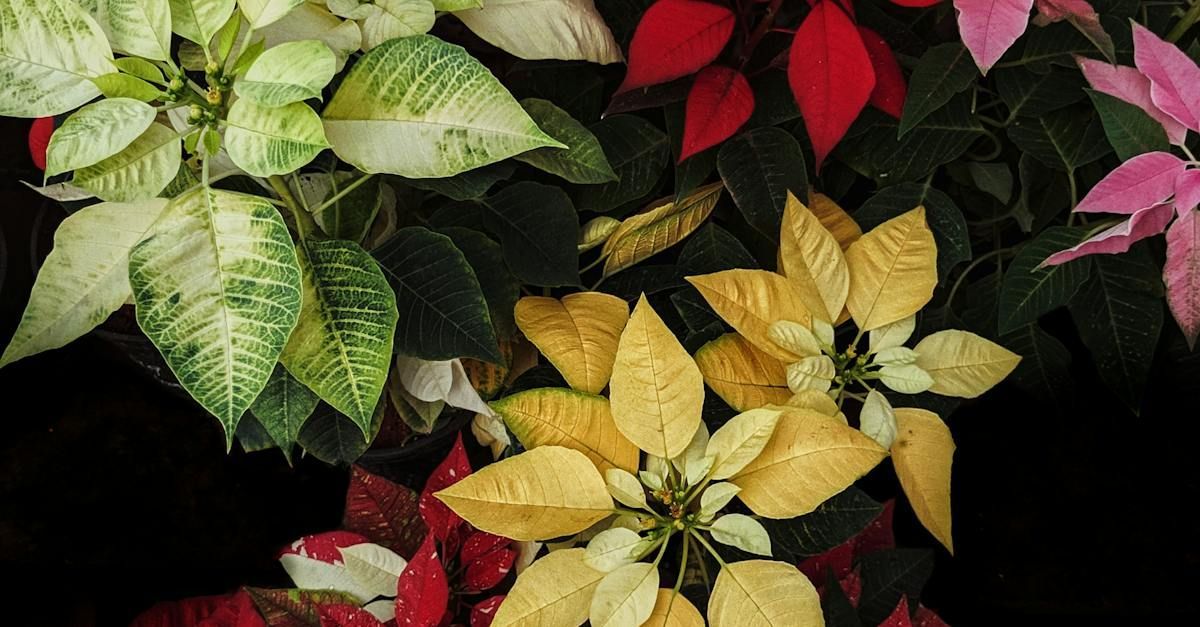
This iconic holiday plant has tropical roots. Get tips on keeping your poinsettia looking its best all year. Perhaps no flower represents the winter holidays like the poinsettia. However, these festive plants, which range from the traditional red to pale yellow, can be mysterious when it comes to care and maintenance. Here are some tips on poinsettia care that can help extend those blooms as long as possible – and maybe even encourage your poinsettia to bloom again next year: Warm and Bright: It may seem strange due to their holiday connotations, but poinsettias are tropical plants. Provide lots of sunlight — a sunny window with east, west, or southern exposure is best. Also try to keep the temperature between 65 and 70 degrees F during the day, keeping in mind that the area around a drafty window can be quite a bit cooler than the rest of the room. If your plant’s leaves are touching a cold window, they may drop off. At night, poinsettias like a slightly lower temperature (55 – 60 degrees F), but avoid drastic drops in temperatures. Hydrated and Humid: Make sure to water the poinsettia whenever the surface of the soil feels dry. Give the plant a good watering, but don’t flood or soak it – gravel in the bottom of the pot will help keep the roots dry. If your home is dry during the winter months, a humidifier or plant mister can help your plant stay hydrated. Prevent Leaf Loss: If your plant starts to lose leaves, there are a few likely culprits: is the plant resting against a cold window or near a draft? Is it too warm or dry in the room? Is the plant thirsty? With correct care, poinsettias can be encouraged to re-bloom next holiday, but it’s a touchy and time-consuming process that not all poinsettia fans are prepared for. Save for the Coming Year: First of all, after bloom time, in the spring, poinsettias can benefit from a period of semi-dormancy. You should slow down the watering to weekly at most. Old leaves may shrivel and drop; this is perfectly okay! At this time, you can cut back the plant’s stems to encourage fresh growth. At this point, when things warm up a bit in spring, it is okay to put it outdoors in a sheltered location such as a covered porch or patio. Pinch back the plant throughout the growing seasons to keep it compact and bushy; poinsettias can get quite large! Repot into a larger container if necessary. Prepping the Plant for Bloom: Now, to get it to bloom ! It may still be warm in early October, but now it is time to bring it indoors. Every night for at least 6 weeks, put the poinsettia in a completely dark room, like a laundry room or closet, for about 14-16 hours EVERY night. The change in photoperiod is what encourages the poinsettia to change color and bloom. This will happen naturally outdoors, but not in time to have a color change by Christmas, and the plant cannot endure the cooler weather outdoors, so the dark room indoors is the preferred method.  Showing Its Holiday Cheer: After doing this throughout October and November, the tops leaves of the plant should emerge red (or white, or pink, depending on your variety), and it should bloom! The showy part of the poinsettia are the leaves, but small yellow flower will emerge from the red fresh growth.
Poinsettias
November 19, 2025
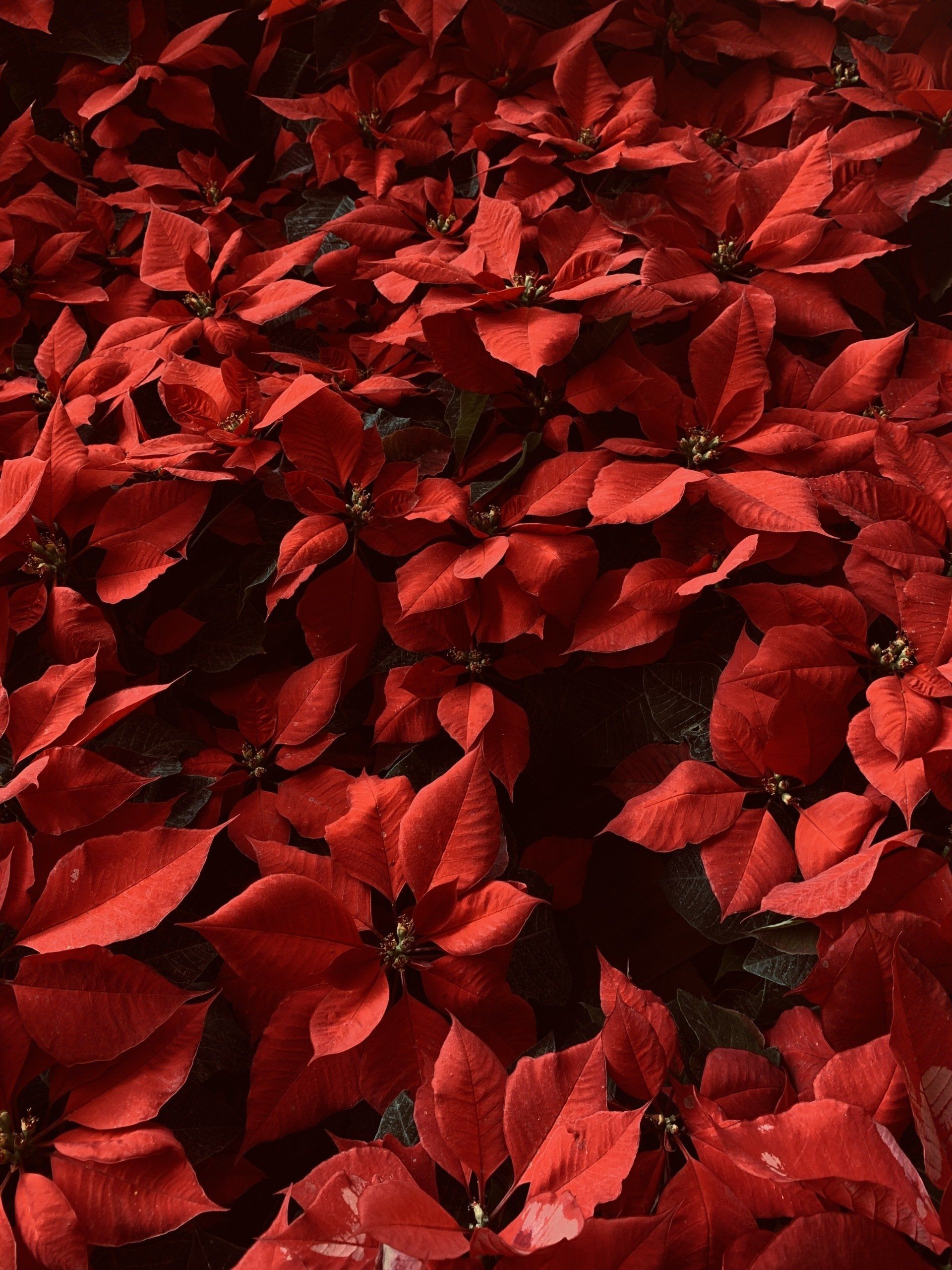
Poinsettias (Euphorbia pulcherrima) are one of the most popular winter and Christmastime plants. They can be found this time of year in retail outlets and florists and now even in grocery stores. The gorgeous display of bright red against dark green foliage is the perfect combination to match our traditional Christmas palette of red and green. These colors have been used for decorative purposes during winter months dating back to Roman times with the celebration honoring the god Saturn each year between Dec. 17 and 23. The tradition was carried on by Christians as early as the 1300s. Native to Mexico and Central America, the poinsettia grows naturally in the landscape in moist areas that get six to eight hours of indirect sunlight. The Aztecs of Mexico cultivated and used poinsettias for decorative purposes in religious ceremonies, medicinal purposes and as a reddish-purple dye. Poinsettias get their name from Joel Poinsett. A member of the U.S. House of Representatives from South Carolina, he was a physician and minister to Mexico in the early 1820s. Poinsett sent the plant back home to South Carolina and shared it with other plant enthusiasts. Since then it has been grown and used by florists and decorators alike during the winter. Highly cultivated, hundreds of varieties come in shades of red, white and pink and mottled or striped combinations of the colors. Poinsettias do well in containers indoors year-round in well-lit areas protected from drafts and outdoors on patios or protected from full sun during the warmer months. The showy colors of the poinsettias are not flowers. They are actually modified leaves called bracts. The actual flowers are the yellow centers of the bracts. When grown naturally in its native setting, the plant is a large shrub or small tree that grows up to 10 to 15 feet high. As a potted plant, they usually only grow 1 to 2 feet tall. To care for it, water the plant when the soil dries. They do not like to be too wet or too dry. Water at the base of the plant directly on the soil. The plant produces a milky sap that may irritate those who are sensitive to latex. If eaten in large quantities, the sap may cause a mild irritation or possible nausea for pets, especially small kittens and puppies who just love to destroy plants. However, poinsettias are not poisonous, according to a study at The Ohio State University. The best way to select a poinsettia is to look for one that has at least six or more bracts extending over the lower green leaves. Inspect the leaves — they should not droop — and check underneath for pests such as white flies. The longest-lasting poinsettias will have no pollen or sap in the yellow flowers in the center of the bracts. If they have begun to show yellow pollen and sap, poinsettias will not provide a display for much longer. A poinsettia should last for four to six weeks in the home if properly cared for. Once Christmas is past, plants may continue to look good into spring. After that, some folks just throw them away or compost them. They can be transplanted into the yard, but you may lose them during hard freezes if not protected. South sides of the house will be the most protected. Before planting, cut them back to one-half their size. You can also try to get your poinsettia to bloom again for the following year. Poinsettias are short-day plants. That means they set buds and make flowers when the nights lengthen in fall and winter. To help the plant flower and develop the colored bracts, it must receive six to eight hours of indirect sunlight during the day and 14 hours of darkness at night for 40 days straight, starting about Oct. 1. You can do this by covering the plant with a black plastic bag to the ground every afternoon and continuing the practice daily until color shows in the bracts. I’ve successfully done this — with patience. Article by LSU Ag Center. Visit online here.
Live Greenery
November 17, 2025
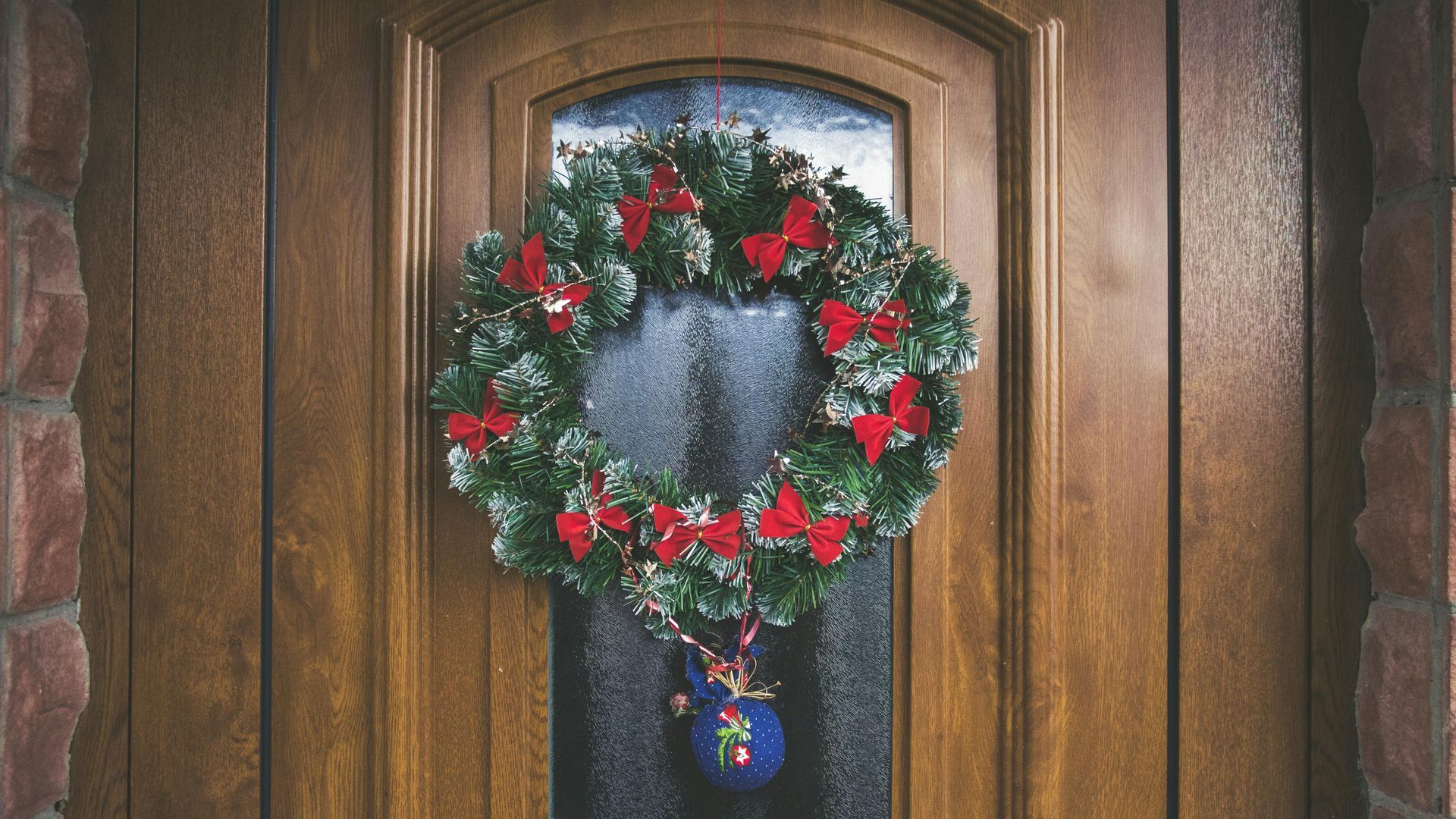
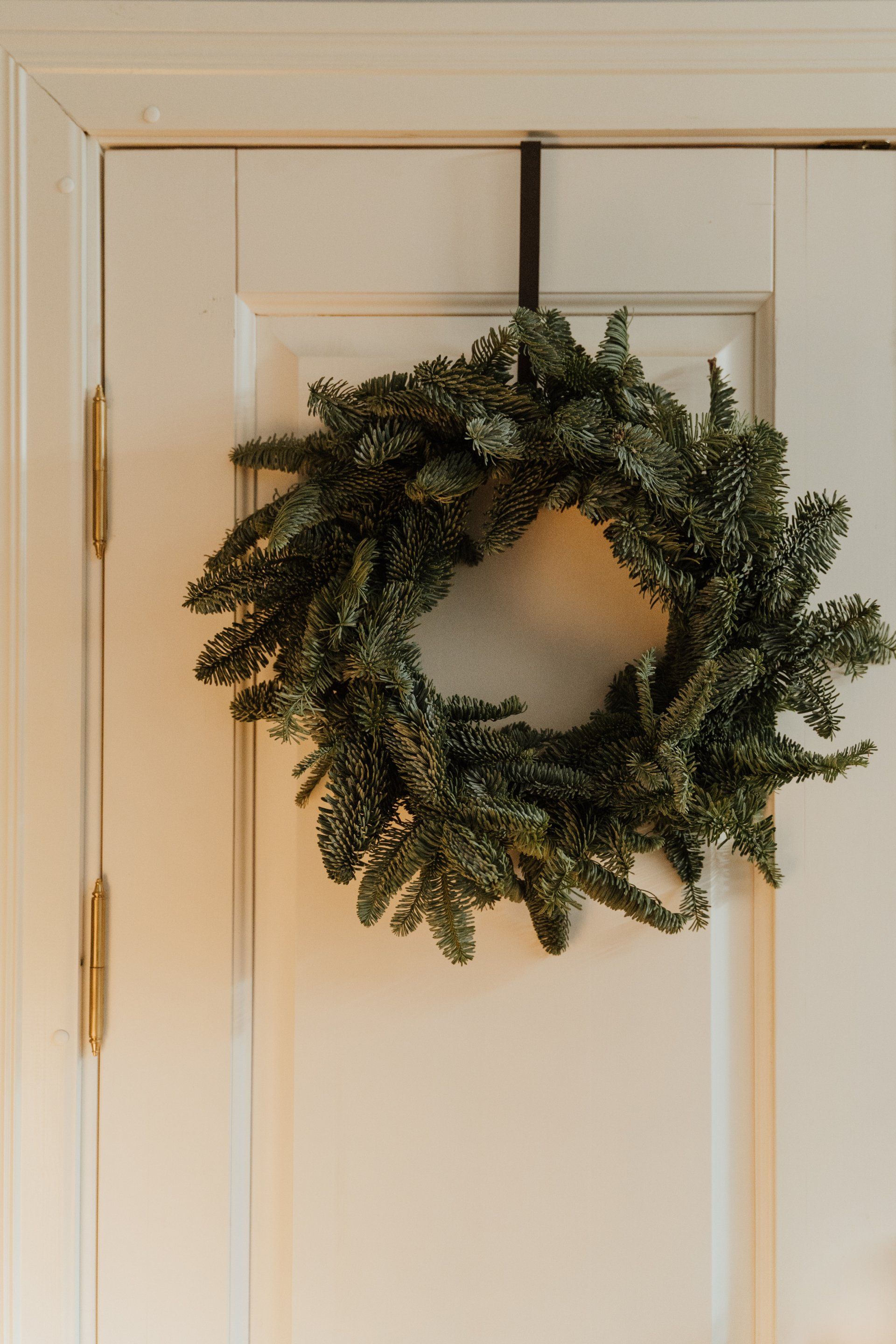
Live wreaths, garland, door charms, centerpieces and more are great for showing the spirit of Christmas in your home! They add ambience and a terrific “Christmassy” scent in the air. Here are some tips on keeping your fresh greenery lasting through the season: Submerge your greenery in a large container of water for a few hours or overnight. Select a location out of direct sunlight (for outdoors) or away from heat or warm air (for indoors) To help balance the moisture greenery releases, mist it with a spray bottle of water every few days.  If your greenery starts to dry out or doesn't appear fresh, just re-submerge it in water for a few hours. You'll be surprised how it livens up your greenery!
Christmas Tree Decorating Guide
November 17, 2025
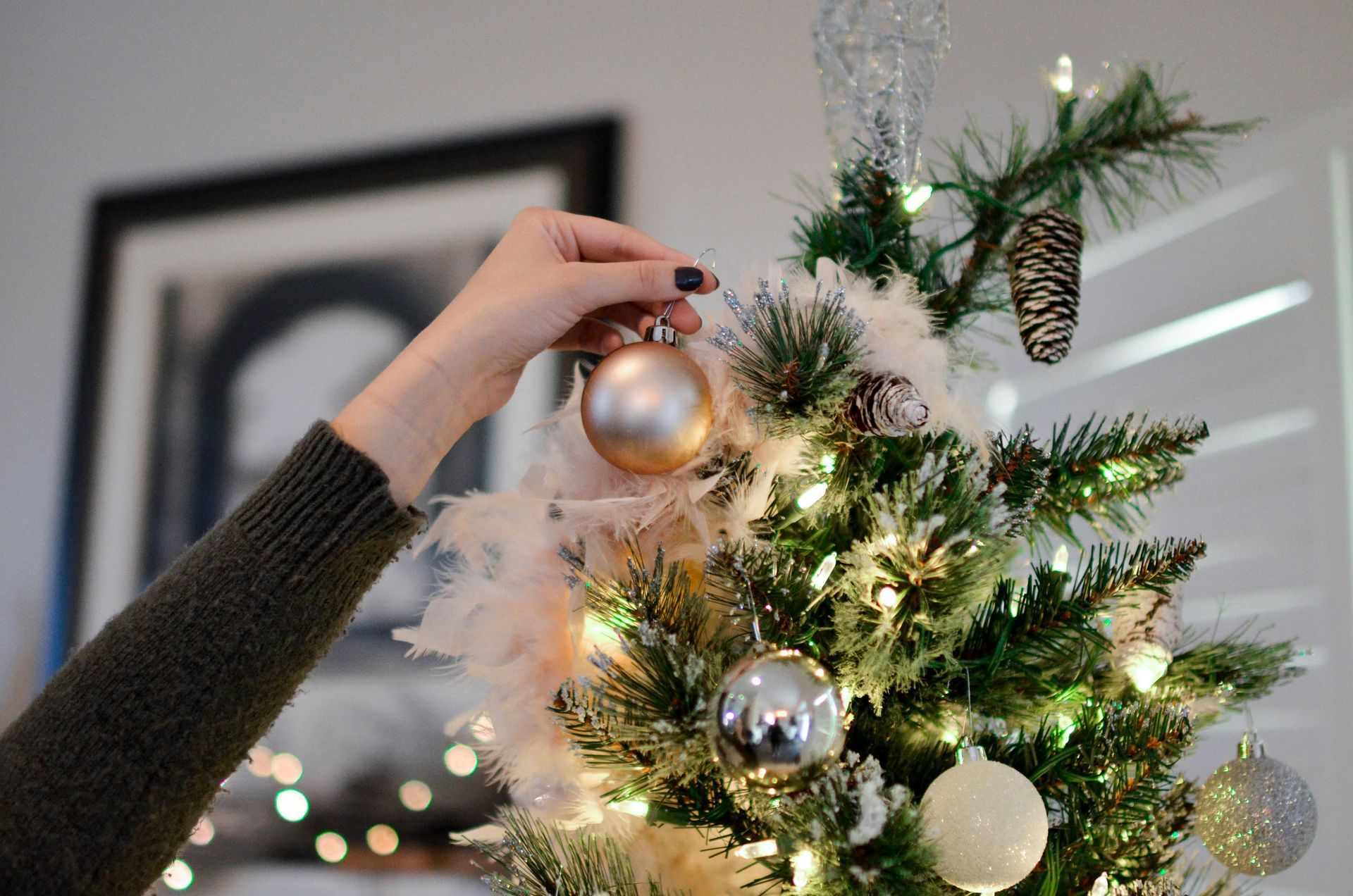
Christmas Tree Decorating is not an exact science but more of an art. There are no fixed rules. Unfortunately, one size does not fit all, but this guide can be used to loosely help instruct you, the designer, on how many of each item you may need for your project. A lot of people start with light coverage and add to their tree every year until they achieve the desired look. We are STOCKED full of ribbons in every shade of Christmas theme you can imagine- from whimsical to elegant to traditional to blue. We also have a huge selection of sprays and stems as well as ornaments to create the look you’re dreaming about! Shop our garden center for your fresh cut Christmas tree, then step inside the gift shop to dress it up! It is up to you to decide what look you like best. Some choose to incorporate more ornaments than sprays and stems and vice versa. Also, ribbon is a great space filler. And you will need to keep in mind how much ribbon you want to use in your tree when choosing ornaments, stems, and sprays. You will need to make adjustments to this guide based on whether you are filling up the entire tree/all sides or if you are only filling up 3/4 of the tree because only 3/4 of the tree is showing due to it being in a corner location. How many ornaments do I need to decorate ALL SIDES of my tree? Ornaments can be anything other than a spray or stem. Mix and Match. Ornaments could include birds, ball ornaments, character ornaments, and more. Use 3/4 of the total below if you are only decorating 3/4 of your tree with the back in a corner. You may also consider using less than the amount below if you want to use more sprays and stems in place of ornaments. Keep in mind, if you are wanting ornaments larger than 10 inches, you don't need as many of them to fill up the same amount of space. Tree Height Light coverage where you can still see the tree. Keep in mind how many stems and sprays you want to use. Heavy coverage where most of the tree is covered. Ornament Sizes 6.5 ft 70 pieces 100 pieces 4-10 in 7.5 ft 105 pieces 135 pieces 4-10 in 9-10 ft 180 pieces 215 pieces 4-10 in How many sprays/stems do I need to decorate ALL SIDES of my tree? Feel free to mix and match. The below are estimated totals depending on your tree size. You may decide you want to use more ornaments in place of stems and sprays. Use what makes you happy. Tree Height Light coverage where you can still see the tree. Keep in mind how many ornaments you want to use. Heavy coverage where most of the tree is covered. Spray/Stem Sizes 6.5 ft 35 pieces 50 pieces 7-48 in 7.5 ft 45 pieces 60 pieces 7-48 in 9-10 ft 60 pieces 75 pieces 7-48 in How many rolls of ribbon do you I need to decorate my ENTIRE tree? The amount of ribbon depends on the tree's width and your technique. It also depends on if you want enough ribbon to make a bow as a tree topper, or if you are only wanting to weave the ribbon throughout your tree. The guide below is intended to help you have enough ribbon to weave throughout your tree. We suggest starting with 3 yards of ribbon for every foot of tree. For example, you will need around 22.5 yards for a standard Christmas tree. Adjust the length based on whether you want streamers and if you are planning to tuck the ribbon into the tree versus allowing it to cascade down the tree. Tree Height Ribbon Length 6.5 ft 19.5 yards 7.5 ft 22.5 yards 9-10 ft 27-30 yards