How to Care for your Roses in Louisiana Fall Weather
Fall Rose Care in Louisiana: How to Keep Your Roses Healthy & Blooming
Fall is one of the best seasons for roses in Louisiana. After making it through the intense heat and humidity of summer, cooler temperatures can encourage healthier foliage, richer flower color, and another beautiful flush of blooms. Whether you're growing Knock Out Roses, Drift Roses, hybrid teas, or another favorite variety, a little attention now can help your roses finish the growing season strong.
1. Give Your Roses a Late-Summer Cleanup
By August, roses can look a little tired from Louisiana's summer heat. Start by removing dead, damaged, or diseased growth and cleaning fallen leaves and debris from around the base of the plant.
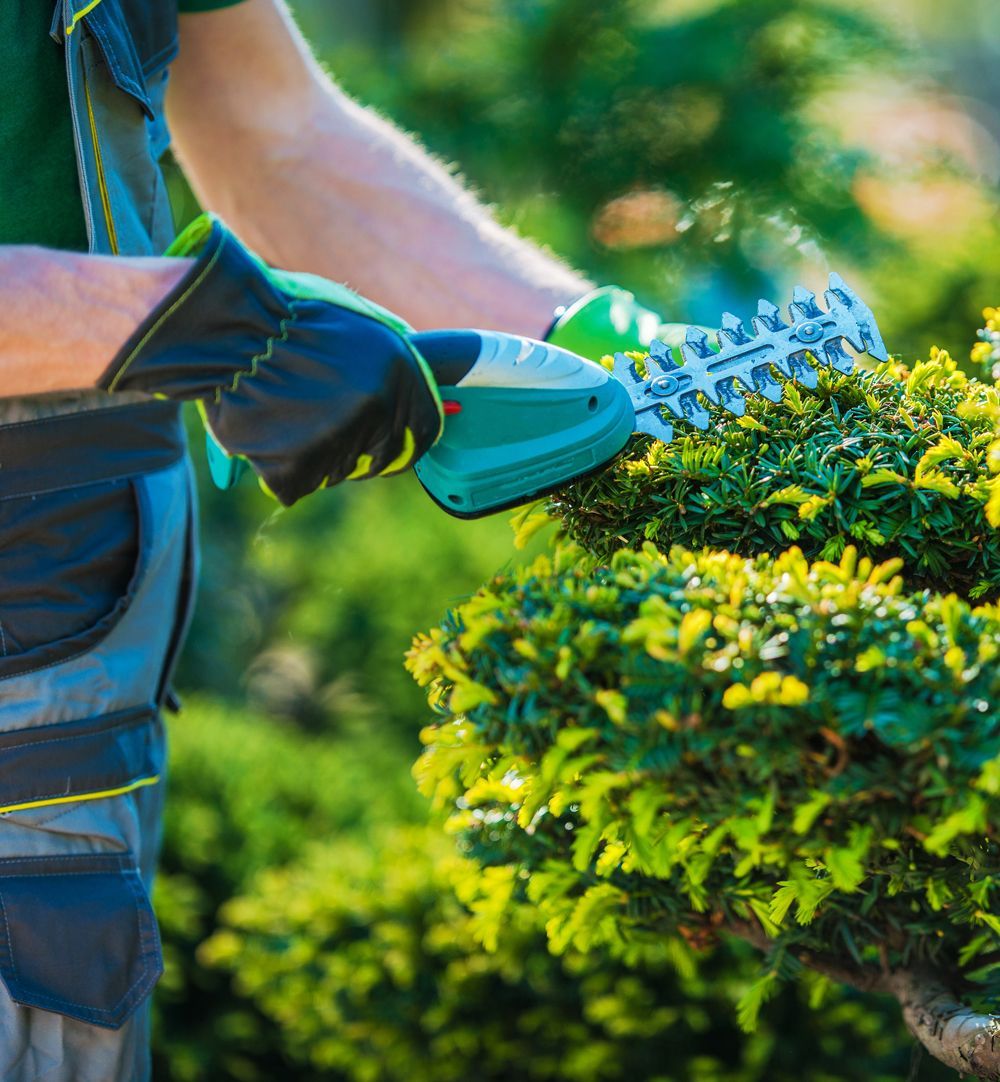
For roses that benefit from pruning, late August into early September is a good time for a light trim to encourage fresh growth and fall flowers. Avoid extremely heavy pruning, and don't continue pruning late into fall. As colder weather approaches, new tender growth is more susceptible to frost and freeze damage.
Deadheading spent blooms can also help repeat-blooming roses put their energy toward new growth and flowers instead of seed production.
2. Keep an Eye Out for Fall Rose Problems
Louisiana's warmth and humidity can create ideal conditions for both insects and fungal diseases. Regularly check your roses—especially the undersides of leaves and tender new growth—for signs of trouble.
Common problems to watch for include:
- Aphids
- Spider mites
- Thrips
- Whiteflies
- Black spot
- Powdery mildew
- Rust
Catching problems early makes them much easier to manage.
3. Our Rose-Care Pick: BioAdvanced 3-in-1
If you're looking for an easy way to simplify your rose-care routine, BioAdvanced 3-in-1 Insect, Disease & Mite Control is a great product to have on hand. It provides three types of protection in one product: insect control, disease control, and spider mite control. According to BioAdvanced, it controls listed pests including aphids, thrips, whiteflies, Japanese beetles, and spider mites while also treating common rose diseases such as black spot, powdery mildew, and rust. It's labeled for use during spring, summer, and fall.
That makes it especially useful during the transition into fall, when you may be dealing with lingering summer pests while also trying to protect fresh foliage from disease.
Garden Tip: Always read and follow the product label before applying any pesticide, including directions for application rates, timing, plant restrictions, and precautions.
4. Don't Forget About Feeding
Roses use a lot of energy producing their fall flush of flowers. In South Louisiana, late summer into early fall is an important window for fertilization, but timing matters.
The University of Louisiana at Lafayette's Ira Nelson Horticulture Center recommends making the final rose fertilizer application by late September and keeping it light. Too much fertilizer late in the season can encourage tender new growth just as temperatures begin to drop.
BioAdvanced also offers an All-In-One Rose & Flower Care formula that combines fertilizer with insect and disease protection. Its fertilizer analysis is 9-14-9 and it's designed to promote strong roots and blooms while protecting against listed pests and diseases.
5. Water at the Base
Even when temperatures cool down, roses still need consistent moisture. Water deeply at the base of the plant rather than frequently giving it small amounts of water.
Whenever possible, avoid repeatedly wetting the foliage. Keeping leaves dry can help reduce conditions that favor fungal diseases.
Check the soil before watering rather than automatically watering on a schedule. Louisiana weather can change quickly in fall, and roses may need significantly less supplemental water after periods of rain.
6. Refresh Your Mulch
A fresh layer of mulch is one of the simplest things you can do for your roses heading into fall and winter.
Mulch helps:
- Retain soil moisture
- Moderate soil temperatures
- Suppress weeds
- Protect the root zone as temperatures fluctuate
Keep mulch a few inches away from the rose's main stems rather than piling it directly against the plant.
7. Know When to Stop
As we get later into fall, the goal changes from encouraging new blooms to preparing the plant for winter.
Once colder weather approaches, put away the fertilizer and pruners. Pruning and fertilizing too late can stimulate tender new growth that may be damaged by freezing temperatures. We recommend waiting until late winter for more substantial pruning.
At that point, simply keep your roses watered, when necessary, maintain your mulch, remove diseased debris, and enjoy the last flowers of the season.
Set Your Roses Up for a Beautiful Fall
Don't count your roses out after a long Louisiana summer! With a little cleanup, proper watering, timely feeding, and protection from common insects and diseases, fall can bring some of the most beautiful rose blooms of the year.
Stop by All Seasons Nursery & Landscaping for your fall rose-care essentials, including BioAdvanced 3-in-1 Insect, Disease & Mite Control, and let our team help you give your roses what they need for a strong finish to the growing season.
Healthy roses now can mean stronger plants, gorgeous fall color, and a better start when spring rolls around again.