Flowers that Give You Bloom for your Buck

March 25, 2026

Want a showy garden but on a budget? Annuals will give you loads of color for one season, and now we are in Spring through Summer. Perennials will last 2-3, sometimes more seasons with an “intermission” of sorts usually in the fall-winter months. Check out these impressive and inexpensive blooms for both annual and perennial choices. We have LOADS more available, so DIG gardening and shop here this Spring!


Celosia (Annual)

This classic cutting-garden annual comes in shapes and sizes that most people have never even tried. There are the brainy-looking “crested” celosia, soft plumed varieties, and fluffy arrow-shaped types. All are superb for adding texture in the border, in a container or the vase.


Monarda/Bee Balm (Perennial)

If you have a big space to fill, bee balm will “bee” all the buzz. In most gardens, it spreads vigorously but not aggressively, making a towering clump of spiky crimson blooms that draw hummingbirds, bees and butterflies. Chances are, you’ll be attracted to the fresh, minty scent as well — you can make a brightly flavored tea from the flowers and leaves.


Zinnia (Annual)

Zinnias are a “must-have” flower, easy to grow and impossibly cheerful. All spring & summer, you’ll be blown away by a rainbow of color that blooms its brains out. Flowers attract butterflies, and make excellent cut flower arrangements!


Salvias (Perennial) 
There are hundreds of varieties of salvias in pinks, purples, whites, blues, and reds, which make a statement in any flowerbed, or container. The bees, butterflies and hummingbirds can’t resist their constant flower spikes of densely packed tubular-shaped flowers.


Penta (Annual)

Pentas bloom non-stop throughout our hot summer, and what’s not to love about that? To add to their charm, their blooms are shaped like a five-pointed star. These clusters of color are also an attractor for pollinators. Whether you plant one color in mass as a border for a landscape, or mix the colors in a container garden, you will get pop after pop of color!


Black-Eyed Susans (Perennial)

These bright yellow, daisy-like flowers with dark centers, which gives them their name, bloom constantly in spring-summer. Each flowers is 2-3 inches white, and will sit upon 1-2’ tall stems. They attract birds and butterflies, and brings the trendy wildflower look to a flowerbed or container garden. 


Please note All Seasons may or may not have these in stock. Please contact us to confirm their availability! You can call us at 337.264.1418 or contact us here.

April To Do List
March 25, 2026
-Prune azaleas, camellias, gardenias, quince, spirea, viburnum, wisteria, dogwood, hydrangeas, mock orange and redbuds immediately after they are finished blooming to encourage flowering for next year. -Do not prune off foliage of spring-blooming bulbs until after the foliage has turned brown. -Plant warm-season bedding plants. -Fertilize shrubs using a general-purpose fertilizer. -Fertilize azaleas and camellias after they bloom and again 6 weeks later with an acid “azalea fertilizer. This fertilizer can be used on other acid-loving plants, such as gardenias & hollies. Water the fertilizer in with the plant. -Fertilize summer-blooming perennials, bulbs, tropical plants and bedding plants monthly with a granular product or twice a month with a water-soluble product. -Mulch plants to reduce watering requirements, suppress weed growth and minimize soil temperature changes. Mulch should be applied up to 2'' thick to be effective. -Remove faded blooms from bedding plants to encourage more flowers. -Start seeds or plant transplants for kitchen gardens. Don't forget the herbs! -Select and plant roses. We have a large selection now blooming! -Release beneficial insects to organically control pests. -Prune, feed and treat houseplants if needed. They may need to be watered more often as your home receives more sun. If leaves droop or wilt, water more. -Fertilize established lawns. -Harvest seeds from flower heads only after they have dried completely on the plant. Store dried seeds in paper bags or envelopes to prevent mold. -Start seeds fast by soaking over night before planting the next day. -Remove blooms from caladiums and coleus to encourage more foliage.
Clematis
March 25, 2026
Clematis vines are unsurpassed for their profusion of colorful flowers. They offer a diverse range of flower color, size, and form. Flower colors range from blends of blue and red to yellow and white. Clematis vines can be used in both formal and natural landscapes. They provide the vertical element in a garden or can be left to ramble through other plants. They should be planted in an area that receives 5-6 hours of sunlight. Clematis vines require cool, damp soil, not wet. Clematis vines can be planted deep in the soil and benefit from having the crown buried 4" below the soil surface. Plant Clematis where the base of the plant receives some shade.  For Clematis care: When you get it home, place it into the sunshine. Clematis prefer to be grown DRY, so just spot water. Water only when plants are dry using a water soluble fertilizer such as 20-20-20 or 20-10-20 at a rate of 150 ppm constant liquid feed. A clear water irrigation is a good idea every 3rd or 4th watering. Continue to tie plants to trellis-winding around trellis. Do not cut back as this will be where the next buds will appear. Plants will have to be tied every week to keep the nice appearance. Pruning Your Clematis Although pruning is not necessary, in order to achieve the best flowering from your clematis, they are routinely divided into the following three pruning categories: Type 1. These grow directly from old stems, so prune right after all flowering is completed. Prune if space is limited or to remove dead and weak stems. Do not prune late in the season. Clematis can be pruned as short as 6" above the crown of the plant. Type 2. Clematis typically flower before mid-June on stems from the previous season's wood. Pruning should be completed in late winter or early spring when buds begin to swell. Remove dead material above these swelling buds. Be sure all new growth is retied. Type 3. This group blooms later and from new growth. They should be pruned in February or March as new leaf buds begin to show low on the plant. Remove all dead material above the buds at this time. This can be as short as 6" above the crown of the plant.
Spring Must Have Plants
March 25, 2026
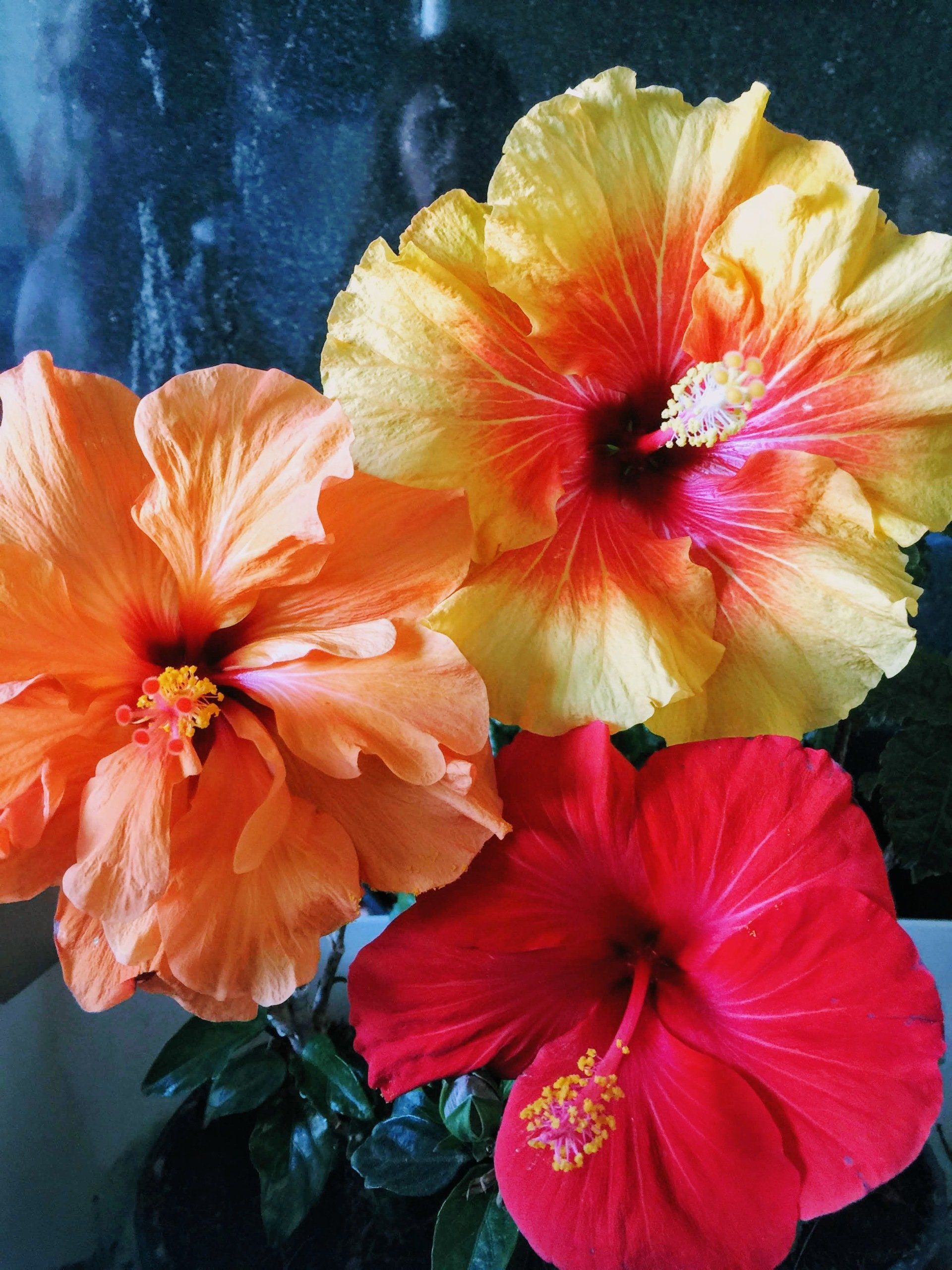
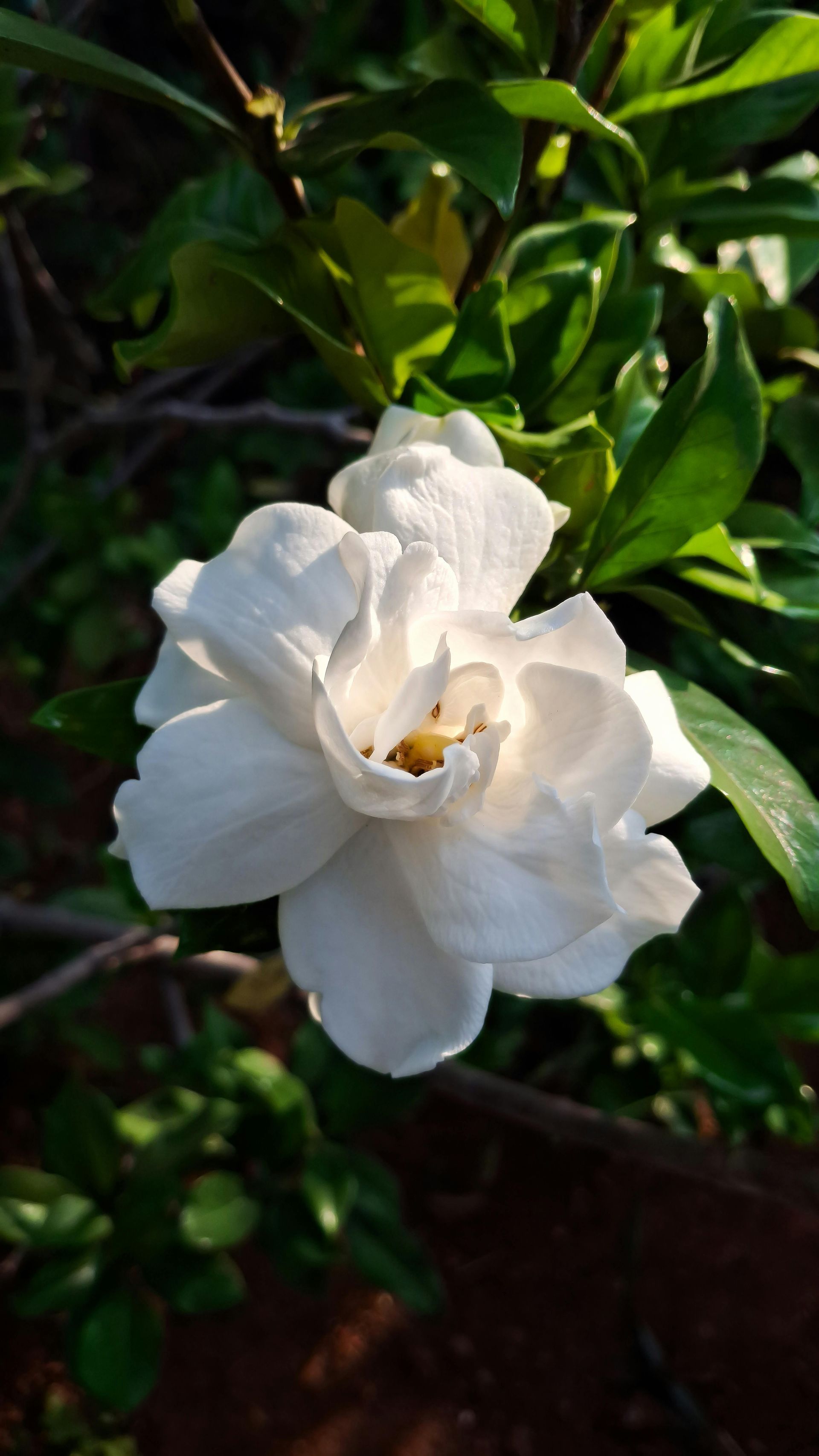
We all love when spring springs to life! The flower and shrub selections are endless- with all sizes, textures and colors that vibrate with the season. We invite you to stroll the garden center and see the wide range available. We put a list together of our “20 must haves” that we know you’ll dig this Spring! Cajun Hibiscus: It’s kick this list off with some of our favorite Cajuns! These locally-grown favorites are packed with Pop and Pizazz, much like us Cajuns! The blooms are stunning, with many being two-toned in color, double blooms, ruffled or even a combination of the three! Large, evergreen leaves match the large, sometimes 5’’ across flowers, all with names we can appreciate like the “Bayou Rose,” “Creole Lady” or “Cest Bon!” Distylium: These may just be the “best landscape plant you’ve never heard of” as the Southern Living Plant Collection labels this evergreen, compact-growing landscape shrub. The foliage is dense with layered branches giving landscapes an interesting look. To add to its allure, it’s also resistance to pests, heat and drought-tolerant and low maintenance! Snow Girl Gardenia: Despite the word “snow” in its name, this gardenia blooms all spring throughout summer. There is low to no maintenance required for this beautiful landscape or patio star that only reaches about 18-24’’ tall and 30-36’’ wide. We all love the gardenia’s fragrance, but this one has a sweet & small daisy-like look to pair with its tiny evergreen leaves. Pro tip: to maximize bloom, trim lightly just after the first blooms have finished. NonStop Begonias: Are they begonias or roses?! These are begonias, but they look like sweet roses! This Non-Stop variety is given its name due to its vigorous growth habit, bearing masses of pretty rose-like flowers in a range of colors including red, yellow, white, pink and even an orange/coral tone. It’s a perfect variety for something interesting in partial shade/sun containers! Celosia: These annuals are vibrant, stand out plants, and are known for their unique feathery or crested flower heads that are available in a variety of colors. Whether planted in a Spring-Summer flower bed as a border, or in a container, these are fun options as standalone varieties or planted mixed up! These are also great annuals to let kids have fun in gardening! Bird of Paradise: Resembling a tropical bird perched atop a rainforest plant, this landscape shrub is a distinctive showpiece. It’s an easy to grow tropical that enjoys full sun and flowers in early Spring. As a bonus, this plant loves our high humidity and heat, but it does not like the unusual cold snaps we have, so be sure to offer it protection. Clematis: Every flower gardener should know the pleasure of growing clematis. If you already have one in your garden, you're probably scheming about how to squeeze in another! New to clematis? It’s easy to grow with many varieties of out of this world blooms, and is the most stunning climber we’ve ever known! Coleus: Who says flowers can have all the fun with color? These annuals are grown for their foliage, but their foliage is packed with POP! Coleus varieties number in the hundreds and each has a unique color and pattern to leaves that look amazing as a border plant or mixed in container gardens. Try one with lime green coloring planted next to one with magenta, green, and pink in an eye-catching pattern. Coleus is an excellent choice for shade areas, giving a dark area lots of color without the need for flowers! Cupcake Azalea: Your search for a new and truly colorful landscape plant ends here! This new “Bloom-a-thon” azalea boasts masses of single bright pink flowers all Spring, some sporadic blooms in Summer, and another wave in late summer through fall! They stay dwarf at only 1.5-2’ tall x 2.5-3’ wide. They are an excellent choice for a mass planting in a partial sun area. Cuphea Honeybells: Massive flower power in a hearty little plant, 'Honeybells' shrugs off high heat and continues in bloom all summer. It requires little in the way of care, just fertilize and water regularly. Best as garden edging and planted in pots and window boxes, since it is a trailing plant! Also check out the Firecracker/Cigar Plant (Cuphea Ignea) has orange tubular flowers with red overtones and hot pink throats along the branches from early spring to late winter, which are interesting on close inspection. Reaching about 3’ x 3’, hummingbirds are attracted to their color and shape! Another Cuphea not to miss is the Funny Face variety, which has trumpet blooms resembling two eyes and a tongue sticking out! Lime Sizzler Firebush: A hummingbird attractor, Lime Sizzler™ Firebush features showy cymes of scarlet tubular flowers with orange overtones at the ends of the branches from late spring to mid-fall. It has attractive light green-variegated yellow foliage with hints of peach which emerges coppery-bronze in spring. The pointy leaves are highly ornamental and remain yellow throughout the winter. Fignomenal Fig Tree: “Fignomental” indeed, this self-fertile, low-maintenance dwarf fig tree is a high-yielding variety ideal for small spaces and container growing! It matures to only 28 inches tall and wide, and produces deep brown fruit with a sweet, reddish pulp. Fruit matures from late Spring through Fall. Hollywood Hibiscus: Plants made for the red carpet, the Hollywood Hibiscus series are tropical, low-maintenance Proven Winners shrubs known for oversized and bright blooms bringing you straight to Paradise. Thriving in full sun and heat (perfect for our summers), these are ideal for containers and/or landscapes that need a pop of color- Hollywood style! Specialty Roses: Roses in white, red, purple (yes! Check out the Heirloom) and shades of pink are always stunning in a garden or even cut flower arrangement. To take it up a notch, specialty roses like the Judy Garland, Pumpkin Patch, Wild Blue Yonder, Marilyn Monroe, Parade Day and George Burns (to name a few) give a POP and punch of unique color to a rose garden! SunPatiens: Continuous color in both sun and shade! These low-growing, bright bloomers are ideal in pots, baskets and landscapes as border plants! They don’t just tolerate full sun and high temperatures; they thrive in it. They’re the ideal plant for worry-free color; sun or shade, rain or shine, spring through fall.  Carolina Jessamine: Take your garden higher with this stunning climbing shrub! In Spring, the Carolina Jessamine irrupts in bright yellow blooms and quickly covers the trellis, fence or arbor its attached to. It’s the state flower of South Carolina, thus its name. Its blooms are a trump-shape and are attractive to butterflies! Forest Pansy Redbud: Dormant all winter, in early Spring, magic happens! Delicate purple/pink flowers cover the branches, making it impossible not to be a showcase tree. New foliage appears scarlet-purple and matures to maroon. It will grow about 20’ tall with a 25’ wide canopy ideal for summer shade in the full sun! Peggy Martin Rose: This rose is a survivor. It’s also known as the “Katrina Rose” because it survived being submerged for 2 weeks after Hurricane Katrina. It’s actually an unnamed rose, but later named after the New Orleans gardener, Peggy Martin, whose home and property was under water after the storm in 2005. This is a remarkable climber that takes over any fence, wall, arbor or trellis, and covers it in pink roses without the threat of thorns. Alonia Big Bicolor Angelona: Angelonia are known as the “snapdragon” of the summer, since their tall spike-like flower blooms resemble that of a snapdragon. The Alonia series have flower blooms that fit the word “big” in their name! Their blooms are double/triple in size of the smaller Angelonia varieties. They are pollinator-friendly and heat-tolerant, making them one of our top summer annual choices! Abutilon “Flowering Maple”: Also nick-named the Chinese Lantern, likely due to their flowers have a papery consistency, this unique topiary is a tropical that is low-maintenance. It provides lots of blooms in the form of pendant bell-shaped flowers and dramatic maple shaped leaves. A happy Abutilon can bloom nearly non-stop from late Spring until the first frost. Please note- All Seasons may or may not have these plants in stock available to purchase at the time you come to purchase these. If you're ever looking for something specific, please call the garden center at 337.264.1418 or send an email question via this link prior to your shopping visit!
Planting Vegetables
March 25, 2026
Planting vegetables is a satisfying way to enjoy the benefits of homegrown gardening, wholesome flavor, health benefits, and lots of Vitamin D! If you’ve been mentally stuck in the mud and afraid to get going, here’s the best part- It’s NOT HARD to grow a garden! In fact, it’s pretty simple. The first thing you need to know before you begin to grow is: Are you going to plant in a pot, a raised bed or in the ground? It’s up to you. It’s a personal preference. With the right love, you can grow anything in anyway. It’s a safe to generalize all vegetable plants in our area enjoy a full sun spot. Lettuce may be a slight exception to this rule. Lettuce plants enjoy more morning sun, but the sun after 1pm can be intense for them. Water your vegetable plants as needed. What does this mean? If it rains, wait a day or two until they seem to be thirsty again. If there hasn’t been rain for a while, water every other day or every day in the heat and dry conditions. Watering in the morning is typically preferred. When watered at night, plants are more susceptible to funguses and snails/slugs looking for a damp environment. “What soil do I use?” This is a very common, and excellent, question. Since you are planning to consume what you decide to grow, the soil needs to be organic. If you are planting in the ground, either directly in the ground or in a raised bed, we recommend the Happy Frog Soil Conditioner mixed in with our bed builder product. This bag is full of finely-screened aged forest products, earthworm castings, and bat guano, as well as soil microbes to help increase root efficiency and encourage nutrient uptake. There is also humic acid, which may increase the uptake of important micronutrients to your vegetable plants. If you are planting in a container, we recommend either the Happy Frog Potting Mix or the Ocean Forest Potting Mix . Since your plants will be in containers, the roots can’t seek out nutrition in the ground, so you have to bring it to them from a potting mix. The Happy Frog mix is amended with soil microbes that can help improve root efficiency and encourage nutrient uptake. The Ocean Forest Potting Mix is a powerhouse blend of aged forest products, sphagnum peat moss, earthworm castings, bat guano, fish emulsion, and crab meal. Either mix would benefit your vegetable garden. Now that you have your vegetable plants in their soil, when do you fertilize and what do we recommend? No matter which product you select for fertilizing, there will be a recommended dosage/timetable on the package. Two of our recommended fertilizers are Happy Frog Tomato & Vegetable Fertilizer and Dr. Earth’s Home Grown Tomato, Vegetable & Herb Fertilizer. Happy Frog ® Tomato & Vegetable Fertilizer is specifically formulated for use on all veggies, tomato varieties, soft fruits and berries. The nitrogen, phosphorus and potassium in this blend supply the nutrition necessary to support the vegetative and flowering stages of plant growth. This fertilizer also contains calcium which helps prevent blossom end rot and builds stronger cell walls, boosting the plants ability to resist disease. Mycorrhizal fungi are included to help increase root efficiency, which may enhance nutrient uptake and water absorption. The Dr. Earth blend is handcrafted from feed grade ingredients. Enriched with organic nutrients found naturally in land plants, ocean plants, fish, fish bones and mined minerals from the earth. This nutritionally balanced formula promotes very rich and healthy soil equipped to grow the healthiest plants. If insects begin to enjoy the vegetables that should be in your belly instead, we recommend applying any organic product containing Spinosad. You have the problems- we have the solutions!  Now that you know, you’re ready to grow! Get out there and DIG IT!
houseplant
March 20, 2026
With houseplants, care is the number one question we get. Here are some answers for you! Don’t take light lightly: One of the first steps when you purchase a houseplant is to select the location where it will reside and determine the amount of light that location receives. It is a good idea to observe your chosen area for an entire day, noting the amount of light that area receives. Plants that thrive in low light need 3-4hours of indirect light each day. Low light plant options: Arrowhead Plants Chinese Evergreen Lucky Bamboo Monstera Pothos Snake Plant Spider Plant ZZ Plant Plants that thrive in medium light need a bright room most of the day (yet out of direct sunlight.) Medium light plant options: Aluminum Plant Anthurium Bird’s Nest Fern Boston Fern Dieffenbachia Philodendron Prayer Plant Rex Begonia Peace Lily Plants that thrive in high light love a south or southwest facing window where light will shine on them directly for most of the day. High light plant options: Croton Ficus Jade Plant Norfolk Island Pine Palms Polka Dot Plant Schefflera Sago Palm Succulents Please note All Seasons may or may not have these particular plants in inventory at this time. Please call us at 337.264.1418 to check or contact us online if you are looking for something specific! A word about watering… Overwatering houseplants is the leading cause of plant failure. Keep an eye out for dry soil in your houseplants. Check them frequently, especially during the winter. Water as necessary. As a general rule, most plants prefer the surface of the soil to dry slightly between watering. Help with humidity… Most tropical foliage plants will look their best with a boost of humidity. You can increase their humidity intake by running a cool-mist humidifier, misting them daily, placing them on a water filled pebble tray or giving them a weekly shower. Facts on fertilizing… Houseplants benefit from a feeding with a balanced fertilizer, labeled for houseplants, once a month- year round. Find options in our Plant Health Care room and/or talk to an associate!
Mulch
March 18, 2026
Mulch helps plants and keeps soil healthy. All plants greatly benefit from mulching. The application or re-application of mulch is important to provide your garden once per year. Cedar or cypress bark is recommended due to its resistance to rot and fade, and has the ability to stabilize soil in beds and retain moisture. Cedar also repels insects. Other grades of mulch are available, but you will find that they will fade and float away, thus not being as effective. Here are some of the benefits : · Conserving soil moisture · Preventing crusty soil at the surface · Maintaining the ideal soil temperature · Reducing weed seed germination · Reducing weed growth · Preventing the splashing of soil fungus during rain and watering · Lessening cold damage · Slowing soil erosion · Reducing soil compaction · Adding a clean and beautiful look to a landscape Following the LSU AgCenter's recommendation, we suggest mulching annual bedding plants and herbaceous perennials to about 1'' deep; shrubs to 2'' and trees 3-4'' deep. Be careful not to use excessive amounts of mulch. If it is too deep around plants it creates health-related problems for plants. Research has shown that mulching deeper than 4'' is not healthy. We recommend: Cedar Mulch at first: This is best to be used for brand new beds. It will lock everything in there without a runoff. Plants will stay where you planted them. All material and products will stay put. Ideally, create it to be about 2’’ thick. Natural Cedar oil is a insect repellent for an added benefit. This mulch is exceptionally long-lasting. This mulch suppresses weeds well. However, don’t keep applying it : Cedar on top of cedar, on top of cedar. This creates a barrier where water won’t get through. When it's applied over and over, it binds very strongly. After the initial application, switch to Grade A Cypress mulch. Grade A Cypress is fungus resistant for established beds, locks in moisture and temperature. When the soil is at a continued temperature, rather than going from one extreme to the other, it is more beneficial. This mulch also locks in nutrients and suppresses weeds well. You can add new mulch to old mulch and do not have to use the same mulch material each time.
Soil
March 6, 2026
One of the top questions we get asked by customers is what soil we recommend for planting in the ground or in a container. We carry many options of soils, and agree that it can be overwhelming. Here are our recommendations: Planting in the Ground: Happy Frog Soil Conditioner In every bag of Happy Frog Soil Conditioner you’ll find finely-screened aged forest products, earthworm castings, and bat guano, not to mention soil microbes to help increase root efficiency and encourage nutrient uptake. There is also added humic acid, which may increase the uptake of important micronutrients to your plants. This conditioner can be used to plant within your native soil, build up a bed, or even used as top dress mulch.  Planting in a Container: Happy Frog Potting Mix Your potted plants deserve the best. Their roots can’t seek out nutrition in the ground, so you have to bring it to them. That’s why Happy Frog Potting Soil is amended with soil microbes that can help improve root efficiency and encourage nutrient uptake. Between the earthworm castings, bat guano, and aged forest products, your container plants have never felt so good. Garden tip: Happy Frog Potting Soil is designed for container planting. Whether you’re growing a ficus in the dining room, a geranium on the patio, or a lemon tree on the deck, use our Potting Soil in your containers. Ocean Forest Potting Mix This potting mix is a powerhouse blend of aged forest products, sphagnum peat moss, earthworm castings, bat guano, fish emulsion, and crab meal. Aged forest products, sandy loam, and sphagnum peat moss give Ocean Forest its light, aerated texture. Garden tip: Designed for containers and ready to use right out of the bag. Strawberry Fields Potting Mix Strawberry Fields ® Fruiting & Flowering Potting Soil is designed to pump up your blooms, fruits and berries with no hang-ups. Fafard Ultra and Pro Potting Mixes These mix contains vermiculite, perlite, RESiLIENCE ® , compost, bark and/or other forest products, Canadian sphagnum peat moss, dolomite lime and a wetting agent. RESiLIENCE ® is an all-natural, water-soluble mineral offering gardeners real growing benefits. Numerous trials have shown that plants grown in RESiLIENCE ® -enhanced mixes may exhibit: · Earlier Flowering · Better Root Growth · Longer Time Before Wilting · Increased Stem Diameter · And Quicker Recovery from Infrequent Watering
March To Do List
February 23, 2026
We've missed you! Now it's time to head out to visit us, make your plant purchases and get them properly planted in your yard or in containers! The sooner the better. In our tropical climate with the extreme heat and humidity that will occur June through September, it is very important to get all plants established and stable before it gets too hot. These plants will have a much better chance of making it through their first summer, which is the biggest challenge for new plantings in our area. Even a few weeks of time can make a big difference in whether these new plants can stabilize from the shock of being transplanted, and have ample time to start growing new feeder roots. One product that will definitely help with these two essential aspects for success is a product called Root Stimulator by Fertilome. This is an easy to use product. Just mix with water and pour over the roots of the plant. It helps with transplant shock and gives the plant nutrients, but most importantly, it stimulates new feeder roots. Proper watering throughout the first summer is also essential. Did you know that potting mixes and soils are not the same? Most commercial plants are grown in a soil-less mixture. Bark, peat, perlite and vermiculite are common components of this type of mix. To determine if a mix or soil is suitable for most plant growth, place that soil or mix in a container and water. Rather quickly, the water should drain from the bottom of the container. If it doesn't drain, it must be amended with coarse items to encourage drainage. Adding a premium bagged compost or planting mix to outdoor containers adds weight and will hold more moisture to facilitate blooming and hold the plant upright. MARCH TO DO LIST: -Plant perennials in the ground so they will be well established. -Restore color to beds and borders by replacing cool season annuals with summer bedding plants. -Summer vegetables can be planted now! Amend and feed the soil with the proper mixes. We can help! -All types of summer bulbs can be planted now such as: caladiums, canna lilies and elephant ears. -Now is the right time to plant citrus and avocado. Fertilize them when planting. -As the weather warms, move tropical plants (such as bougainvilla, crotons, hibiscus, etc) back outside gradually to reduce sun damage. -Fertilize the area where you planted spring bulbs using a bulb food. -Fertilize a light application to roses. -Fertilize houseplants and re-pot if necessary. -Protect plants from hungry snails & slugs. We can help! -Feed the hummingbirds! Put out at least one feeder, keep it clean and full to attract the hummingbirds. They begin arriving around March 21!
power of pollination
February 23, 2026
Spending time in the garden often involves shooing away bees, but have you ever stopped to think about the benefits that these and other garden pollinators provide to our environment? Think back to elementary or middle school. You probably learned that a pollinator helps carry pollen from the male part of the flower to the female part of that or other flowers. Although some plants and flowers do not need insects or animals to aid in pollination, many do. Some common pollinators are bees, wasps, moths, butterflies, birds, flies and small mammals like bats. Why is this important to us? According to the National Park Service, one out of every three bites of food you eat only exists because of these pollinators. These foods include fruits, vegetables, and seeds. Even the air we breathe is affected by pollination. Look around you. Those plants you see help to clean the air, supply oxygen, and feed wildlife. When you think of these things, it really puts the importance of pollinators into perspective. What can you do to help your friendly neighborhood pollinators? Here are some great tips from The National Park Service. Although these things may seem small, they are a BIG help to birds, bees and other helpful creatures. Plant native flowers that bloom at different times. Also, planting flowers of different sizes and colors in clumps as opposed to scattering them in your landscaping is beneficial to pollinators by making it easier for them to locate their lunch. Give your pollinators a drink! A shallow dish of water placed on your deck or patio will help pollinators stay hydrated. Don't forget to partially submerge stones or rocks in the container so they have somewhere to rest while drinking. Otherwise they may drown. Did you know that many plants that are called weeds are actually useful to pollinators? So you can take a break from pulling some of those weeds. Limit pesticides. Before using a pesticide, ask yourself: Are flowers in bloom or are pollinators active during the pesticide application? Are there alternatives? We carry organic solutions to many gardening issues. Remember, pollinators can be harmed if they consume nectar or pollen that has come into contact with pesticides. Alternatively, you can help reduce the risk of exposure by applying pesticides at night when bees and other pollinators are not active. Nesting and sheltering sites are always appreciated! Remember that different types of pollinators require different things. Some bees and pollinating beetles may use downed tree limbs and logs; many butterflies lay eggs and rear their young on host plants; a small patch of bare ground might serve ground-nesting bees. Potential nesting sites include trees (both living and dead), shrubs, brush piles, bare ground, and bee boxes.
February 23, 2026
Pollinators play an important role. In fact, they are essential in the eco system surviving. The simple truth is that we can’t live without them! Virtually all of the world’s seed plants need to be pollinated. Let’s celebrate pollinators and help them do their job, which benefits us most of all, by cultivating the specimens they need to thrive.  Butterflies: Everyone loves to watch butterflies flutter from flower to flower. It brings us a sense of relaxation to watch a butterfly, and to know we have planted what they love brings accomplishment! The most important thing to remember when creating a butterfly garden is to plant both nectar and host plants. Providing host plants for caterpillars to feed on, you will have a front row seat to the metamorphosis process! The caterpillars will consume the host plants then become a chrysalis before the adult butterfly emerges looking for the nectar plants. Then, the females will lay the eggs to hatch into a caterpillar so the cycle can continue. It’s important to plant host plants and not be discouraged with caterpillars eating the plant. It’s usually only temporary! Some host plant ideas are: Passionflower, Milkweed, Swamp Milkweed, Asters, Butterfly Weed, Dill, Hollyhock, Sassafras, Fennel, etc. Nectar plants for the butterflies serve their purpose, and are beautiful in your space! There are so many choices, and they all pack a pop of color to enjoy all season! A great idea to cover a problem area while luring butterflies to your yard is to buy seeds and sprinkle them in that area. The seeds will germinate and create a lasting love for you, and the butterflies! If you don’t have room for a garden, hanging baskets will do the trick just as nicely. Some great nectar plant ideas in shrubs are: abelias, butterfly bush, honeysuckle, spiraea, etc. Some great nectar plant ideas in perennials are: yarrow, butterfly weed, aster, daisy, cosmos, coneflower, joe-pye weed, sunflowers, salvias etc. Some great nectar plant ideas in annuals are: lantana, zinnia, penta, marigold, verbena, geranium, portulaca, allysum, impatiens, etc. One last important thing to note when planting your butterfly retreat is not to use any pesticides! You may be killing off the very insects you made the garden for. There are natural remedy options to repel harmful insects, like aphids. Talk to us in the Plant Health Care room to help point you in the right direction! Bees: As stated in the introduction, every garden requires pollinators, and bees are among the finest, and hardest working! Without bees, there would be limited flowers and far fewer fruits and vegetables to enjoy. In fact, about 30% of the food we all eat depends on the pollination of bees. Besides planting flowers they enjoy, consider bringing more bees to your garden by providing a safe place for their shelter and to lay their eggs. Pollinator houses are trendy and compact enough to be part of your patio décor. There are many bees that are great pollinators, such as the carpenter, mining, sweat and cellophane bees. However, some of the most well-known and easily identified bees are the honey and bumble bee. Both of these live in social colonies and are cavity nesters. They require a constant supply of floral nectar close to their hive all summer long. Some of the biggest threats to the healthy and continued existence of the honey and bumble bee are their habitat loss. Some great nectar plant ideas in trees and shrubs are: apple, redbud, willow, blackberry, blueberry, etc. Some great nectar plant ideas in perennials are: aster, bee balm, black-eyed Susans, goldenrod, joe-pye weed, penstemon, coneflower, savlias, stonecrop, sunflower, etc. Some great nectar plant ideas in annuals are: lantana, aster, catmint, alyssum, salvias, zinnias, lavender, marigolds, calendula, etc. As with butterflies, keep the bees in your garden by eliminating chemical use, especially when plants are in flower. Hummingbirds: The ruby-throated hummingbirds zip across our Southern skies twice a year. They begin migrating from Mexico during the late winter and early spring to head up north for the summer. Then, once it’s fall again (usually August), they will make their way back south to Mexico. Fun facts about hummingbirds: They are the smallest bird in the world! They can beat their wings about 75 times per second! Wow! They can drink 8x their body weight, and also consume about 500 insects daily! Time to get their feeders and your yard ready to fuel them! Hanging hummingbird feeders with sugar water attracts birds looking for a snack. Most feeders are red since this is the color proven to attract them. We sell safe nectar ready to hang to welcome these winged creatures! It’s important to note that if you’re DIYing your nectar, do not use red dye. Hanging a feeder from February through October is a good plan of action! You can also charm hummingbirds to your yard with a selection of their favorite nectar-producing flowers. They are actually attracted to plants with color, and not plants with scent. Red is their choice in color, but any other bright colors like pink, purple, orange and yellow will also attract them. Another important factor to their favorite plants is the shape. Tubular-shaped flowers accommodate their long, narrow beaks. Some great nectar plant ideas in shrubs are: azaleas, butterfly bush, abelias, bottle brush, etc. Some great nectar plant ideas in vines are: honeysuckle, tangerine beauty crossvine, etc. Some great nectar plant ideas in perennials are: bugleweed, bee balm, cardinal flower, columbine, coral bells, daylily, delphinium, gaura, hollyhock, hosta, phlox, gayfeather, rose mallow, cuphea , salvias, etc. Some great nectar plant ideas in annuals are: fuchsia, penta, geranium, sage, nasturtium, petunia, pineapple sage, red salvia, zinnia, etc. An important note, similar to the butterflies and bees, refrain from using insecticides when attracting hummingbirds. They rely on insects for protein, especially during the summer, so they’ll help to clean out your beds of pests! For all pollinators, make sure you offer them an available water source, such as a birdbath!